
November 11, 2026Rock Star Coating Pros
Micro-Topping and Microcement Floors in Arizona
What a micro-topping is, how thin it really is, where its seamless look works, and the substrate and movement limits that decide whether it is the right system.
Micro-topping, sometimes sold as microcement or micro-overlay, is the thinnest of the cementitious resurfacing systems. It is troweled on in coats measured in fractions of a millimeter and it produces a continuous, hand-worked surface with no seams, no grout and no pattern.
It is the right answer for a specific set of situations and the wrong one for several others, and the difference comes down to what the slab underneath is doing.
What it is and what it is not
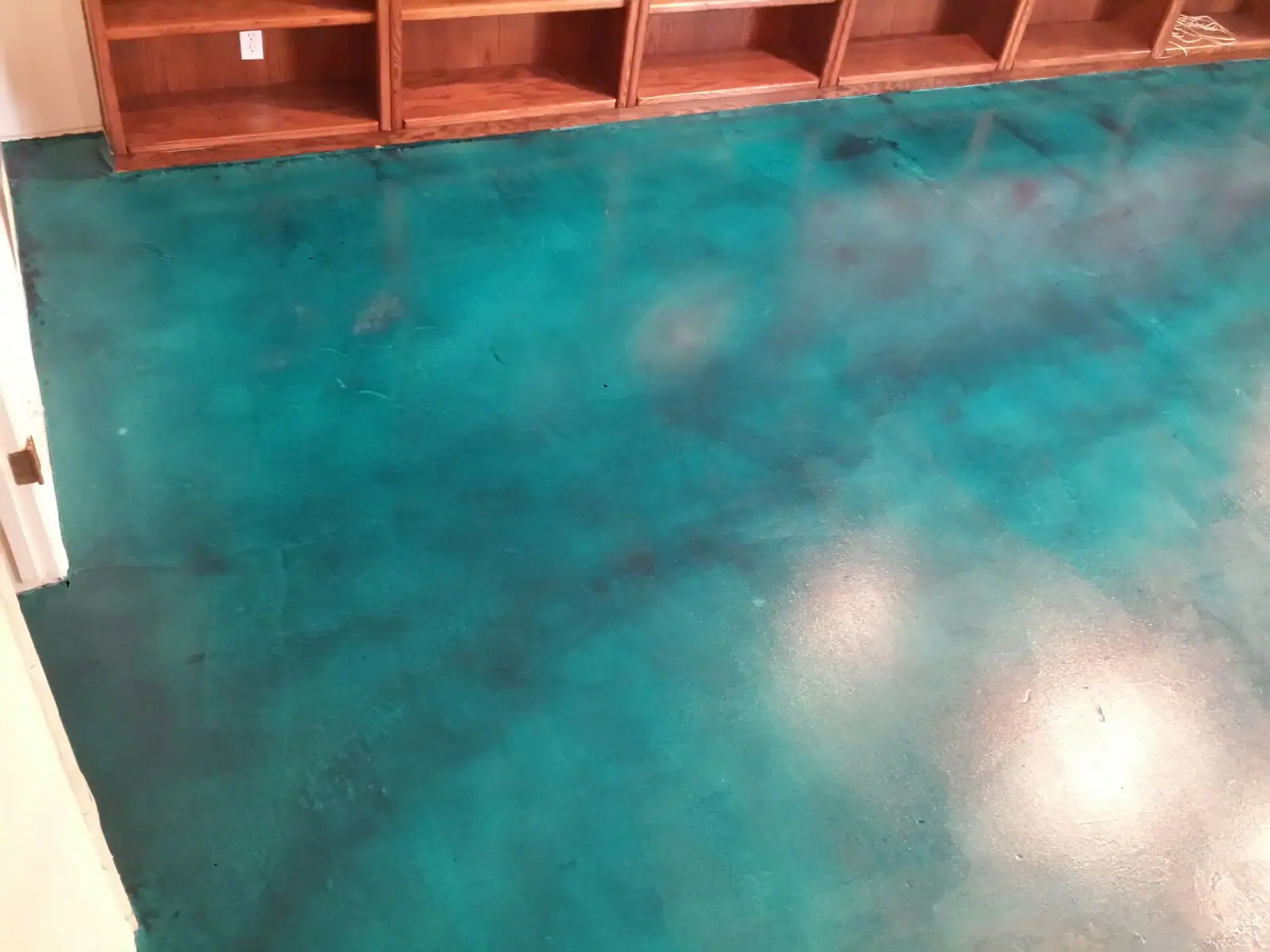
A micro-topping is a polymer-modified cementitious material applied in two or more thin coats, worked with a steel trowel, then sealed. The finished look ranges from a smooth, almost plaster-like field to a mottled, variegated surface where the trowel marks are part of the design.
It is not a structural repair, it is not a leveling system, and it is not a replacement for a slab. Those jobs belong to other materials. A micro-topping changes the appearance and the surface of what is already there, and it adds almost nothing to the height, which is its main practical advantage over thicker overlays described in concrete overlay basics.
Where it is the right choice
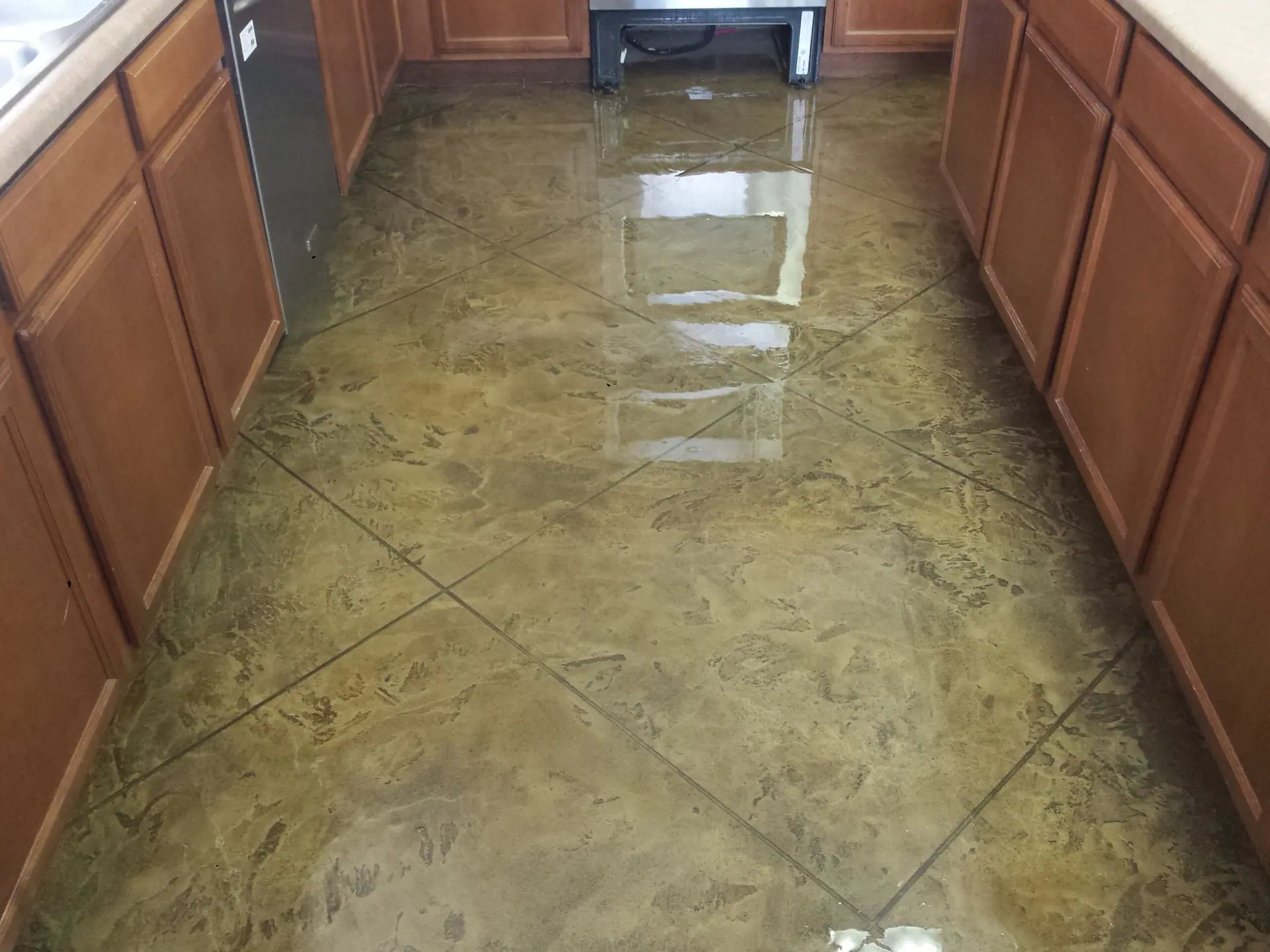
Interior living space on a sound slab. Kitchens, living areas, hallways and bedrooms where a seamless modern floor is the objective and the existing slab is flat and stable.
Over existing tile, where height is tight. Because it adds so little, a micro-topping is frequently the system that makes an over-tile approach possible at all. The conditions for that are covered in coating over existing tile.
Vertical surfaces and stairs. It goes on walls, stair risers, columns and feature surfaces, which is something most floor systems cannot do, and it lets a space carry one continuous finish.
Showers, feature walls and wet areas, when combined with the correct waterproofing beneath it, which is a separate system rather than a property of the topping.
Commercial interiors where the look is the product: boutiques, studios, restaurants, offices. The related options are compared in decorative concrete floors.
Where it is the wrong choice
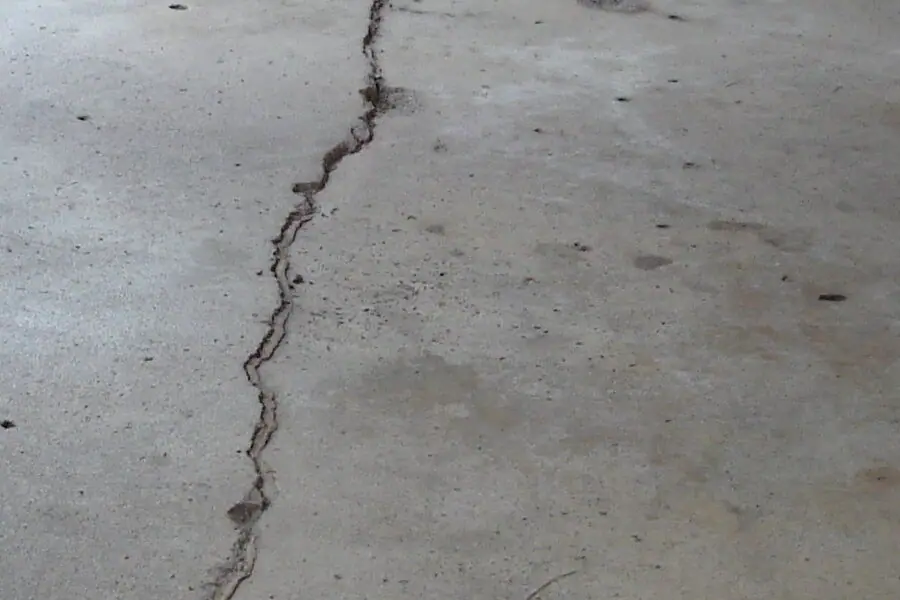
Over a cracking or moving slab. This is the decisive limit. A micro-topping is thin, rigid and bonded, which means it has no capacity to bridge movement. A crack that moves below appears above, usually within the first year. Where the slab is suspect, either the crack is addressed and isolated properly first, or a different system is used.
Where flatness is poor. It is too thin to level anything. A floor with waves and dips keeps them, and the smooth sheen of the finished surface makes them easier to see rather than harder.
Heavy industrial duty. Forklifts, steel wheels, dropped tooling and chemical exposure call for a thicker system. Those are covered in industrial epoxy floor coating.
Exposed exterior in full Arizona sun, in most cases. Thermal cycling on an unshaded patio or pool deck is severe here, and a thicker textured overlay generally performs better outdoors. Those options are on the pool deck resurfacing and patio coating pages.
The substrate decides the outcome
Everything about a micro-topping project is settled before any material is mixed.
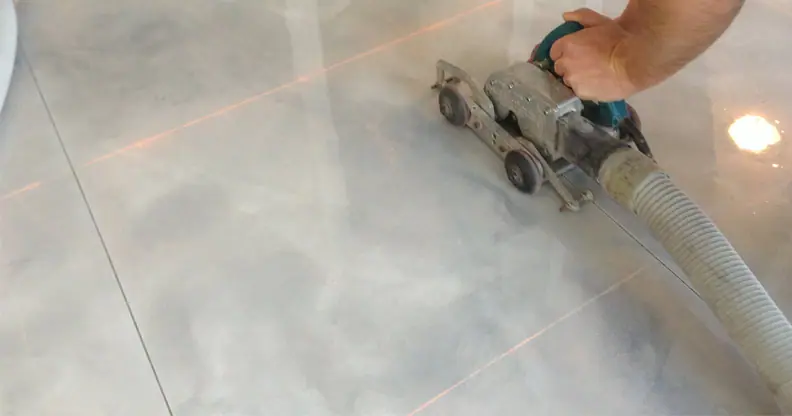
Bond. The slab is mechanically profiled, cleaned and primed. A micro-topping over a sealed, waxed or unprepared slab will delaminate, and because it is thin, it delaminates in sheets rather than spots.
Cracks. Every existing crack is assessed. A dormant crack can be routed, filled and carried through. An active one cannot be hidden, and burying it is how a good-looking floor becomes a complaint. The related slab behavior is covered in epoxy floor crack repair before coating installation.
Joints. Control joints and construction joints are movement features. They are honored in the finished floor, either as a visible detail or as a treated joint, not troweled over.
Moisture. Vapor moving up through a slab affects a cementitious topping and its sealer. Even in a dry climate this is checked rather than assumed, and the reasons are in slab moisture testing in a dry climate.
The sealer is half the floor
A micro-topping is porous. Its stain resistance, its sheen, its feel underfoot and its maintenance all come from the sealer over it, which makes the sealer a specification item rather than a finishing touch.
The choices run from a penetrating sealer that leaves the surface matte and natural-looking to a film-forming polyurethane that gives a harder, more stain-resistant and more easily cleaned surface with more sheen. Kitchens and commercial spaces usually want the film. A bedroom or a feature wall may not.
Sealers also wear and are renewed on a cycle, which is a maintenance item worth knowing about before the floor goes in rather than after. General care is covered in floor coating maintenance tips.
What the finished floor will actually look like
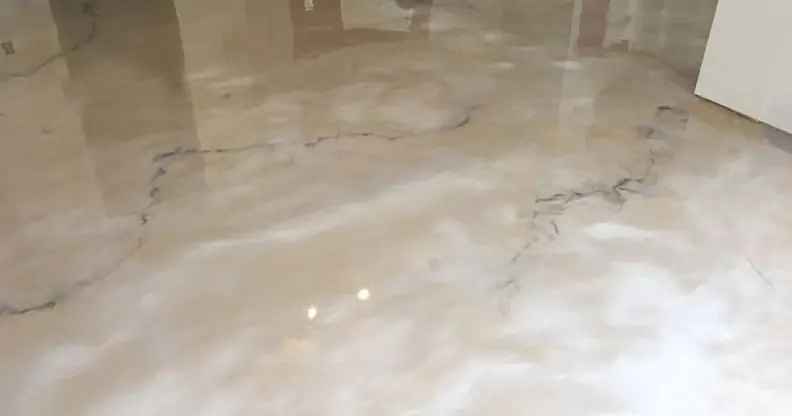
Micro-topping is a hand-applied finish and it reads as one. There is variation in tone, there are trowel marks, and two areas of the same floor will not be identical. That is the character of the product and it is what the look is bought for.
Anyone expecting the uniformity of a factory-made material will be disappointed, so the right step before committing is to see a sample panel made by the crew that will do the work, in the color and sheen specified, at a size large enough to read. Photographs of other projects are not the same thing.
What belongs in the quote
The substrate preparation method. How existing cracks and joints are being handled, specifically. The primer. The number of coats and the finished texture. The color and the sheen. The sealer, and the renewal interval it implies. Whether a sample panel is being made and who signs it off. And the cure time before the floor can take furniture and traffic.
Our overlay work is on the decorative concrete overlay and polished concrete overlay pages.
Frequently asked questions
How thick is a micro-topping?
Very thin, applied in two or more coats each measured in fractions of a millimeter. That is its advantage, because it adds almost nothing to the finished floor height and can go into spaces where door swings and transitions rule out a thicker overlay. It is also its limitation, since a material that thin cannot level an uneven floor or bridge a moving crack.
Will a micro-topping cover the cracks in my slab?
Only dormant ones, and only when they are routed, filled and treated first. An active crack that moves seasonally will reappear through a thin bonded topping, usually within the first year. If the slab is moving, the movement has to be understood and isolated before any thin system goes on, or a thicker and more flexible system should be used instead.
Can micro-topping go on walls and stairs?
Yes, and that is one of its genuine strengths. It applies to vertical surfaces, stair risers, columns and feature walls, which lets a space carry one continuous finish from floor to wall. Most floor coating systems cannot do this. In wet areas such as showers it has to sit over proper waterproofing, which is a separate system installed beneath it.
Is a micro-topping durable enough for a kitchen?
In a residential kitchen, yes, with the right sealer. Its durability comes largely from what is over it, so a film-forming polyurethane sealer is the usual choice there for stain resistance and cleanability. For commercial kitchens, industrial spaces or anywhere with wheeled or dropped loads, a thicker resin system is the better match.
Does every micro-topping floor look the same?
No, and it is not meant to. It is hand-troweled, so tone varies across the floor and trowel marks are part of the finish. Two areas will not match exactly. Before committing, have the crew that will do the work make a sample panel in the specified color and sheen, large enough to judge properly. Project photos are not a substitute.
Talk to a licensed coatings contractor.
License ROC317029 · Bonded and insured · Serving Phoenix, AZ and the wider Valley.