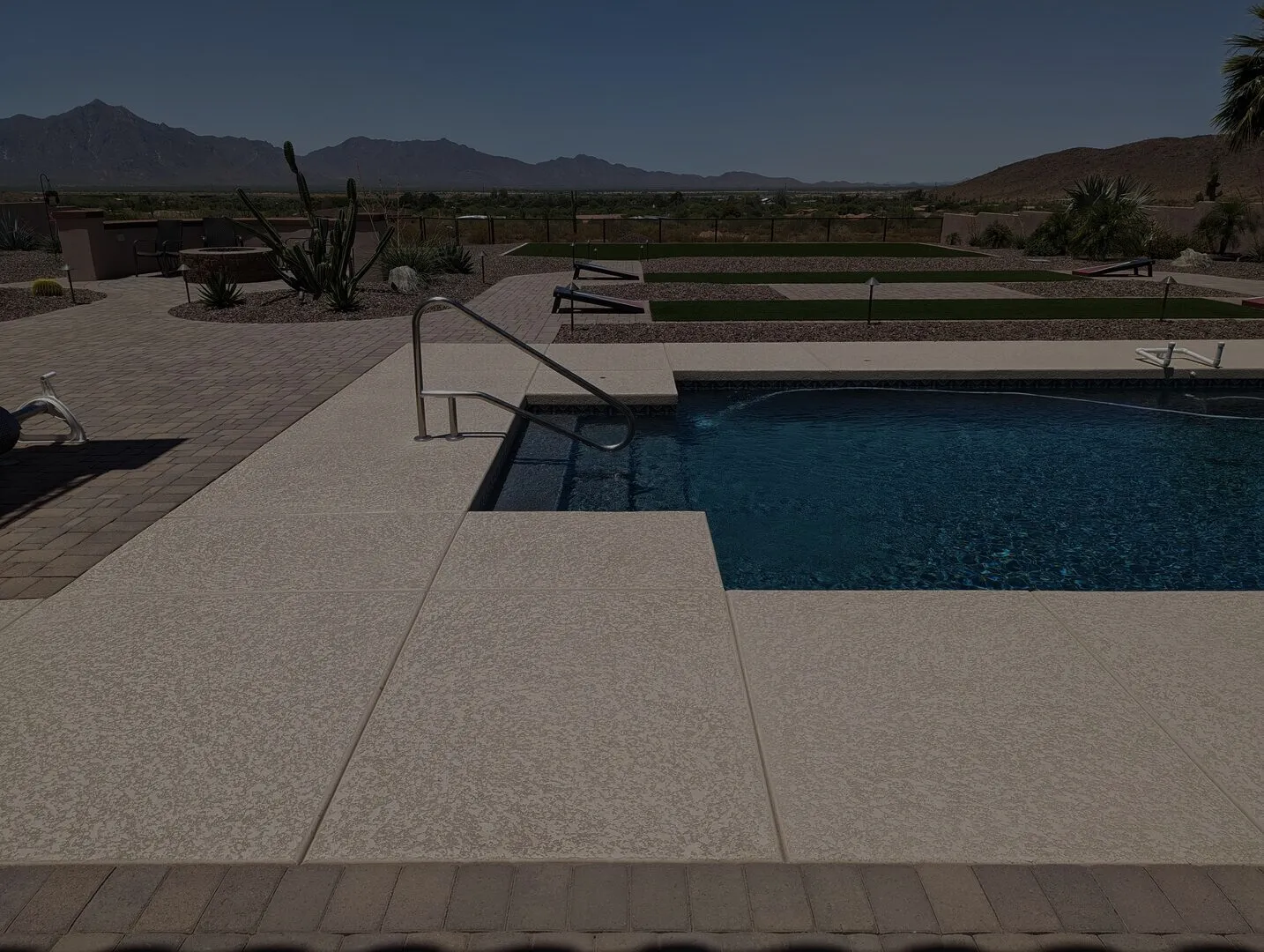




Transform Your Outdoor Space: Top Pool Deck Resurfacing Solutions for Homeowners
Your pool deck isn’t just a surface around your pool—it’s the foundation for safety, comfort, and backyard beauty. Over time, pool decks can suffer from cracks, stains, and fading due to constant exposure to water, chemicals, and sunlight. Resurfacing your pool deck not only restores its visual appeal but also adds protection, increases safety, and enhances the overall value of your property. Whether you’re seeking a sleek, modern finish or a textured, slip-resistant surface, today’s resurfacing solutions offer options to match any budget, climate, and style. This guide walks you through the top resurfacing materials and techniques to help you make an informed decision for your home.
Best Pool Deck Resurfacing Options
Resurfacing your pool deck can completely transform the look and safety of your outdoor area. Whether you’re facing cracks, fading, or rough textures, today’s resurfacing materials offer durable and beautiful solutions. Top professional and DIY resurfacing options include:
- Stamped concrete overlays
- Spray texture (knockdown finish)
- Epoxy coatings
- Pebble finishes
- Rubberized coatings
- Acrylic-based coatings
These materials can help reduce heat retention, improve slip resistance, and enhance your backyard’s visual appeal.
Pebble Pool Deck Resurfacing
Pool deck resurfacing with pebble involves applying an exposed aggregate or pebble-finish overlay, offering a natural look and outstanding grip underfoot. Pebble options are ideal for high-end aesthetics and include:
- River rock or quartz blends
- Slip-resistant surfaces
- UV-stable sealers for color protection
- Textured comfort under bare feet
This type of resurfacing is a popular choice in luxury homes and resort-style pools.
DIY Pool Deck Resurfacing Options
DIY resurfacing has become more accessible with kits and easy-application coatings. Whether you want to save money or tackle a weekend project, here are popular DIY options:
DIY Pool Deck Resurfacing Kits
Most DIY kits include primer, resurfacing material, and sealer. They’re ideal for homeowners with some experience or a willingness to follow detailed instructions.
DIY Concrete Pool Deck Resurfacing Options
For concrete decks, resurfacing solutions include:
- Concrete patch & prep compounds
- Acrylic overlays for textured finishes
- Cool deck-style coatings
- Microtoppings and stains
These products are often available at big-box hardware stores or specialty coating suppliers.
Pool Deck Resurfacing DIY Ideas
If you’re exploring DIY approaches, consider:
- Painting with slip-resistant deck paint
An easy fix for budget-conscious homeowners. - Using stencil patterns with overlay kits
Add a stamped or tile-look finish affordably. - Colored concrete stain with sealer
Enhances appearance without major work. - Adding anti-slip grit to coatings
Increases safety around the pool area.
Epoxy Pool Deck Resurfacing
Epoxy coatings are a top-tier resurfacing solution for pool decks requiring durability and waterproofing. Epoxy is best suited for concrete surfaces and provides:
- Seamless, waterproof surface
- Custom colors and flake finishes
- Chemical and UV resistance
- Enhanced durability against wear and pool chemicals
Epoxy is not always the coolest surface underfoot, so it’s best paired with a heat-resistant topcoat or used in shaded areas.
Comparison Table: Pool Deck Resurfacing Materials
| Resurfacing Option | Slip Resistance | Heat Resistance | DIY-Friendly | Appearance | Durability |
| Stamped Concrete Overlay | Moderate | Good | ❌ No | High-End Look | High |
| Pebble Finish | High | High | ❌ No | Natural Look | High |
| Epoxy Coating | Medium | Fair | ⚠️ Moderate | Customizable | Very High |
| Acrylic Coating | High | Very High | ✅ Yes | Textured/Modern | High |
| Deck Paint | Low | Moderate | ✅ Yes | Basic Color | Low-Med |
| Spray Knockdown Texture | High | Very High | ⚠️ Moderate | Cool Deck Style | High |
Pool Deck Resurfacing Built for Outdoor Conditions
Outdoor pool decks in warm, sunny climates like Arizona or California must be built to endure constant UV exposure, fluctuating temperatures, and wet conditions. A well-resurfaced deck not only withstands these harsh outdoor elements but also maintains a visually appealing and slip-resistant surface all year round.
No matter the method, your resurfaced pool deck should offer:
- Slip-Resistance: Essential for wet areas to prevent slips and falls.
- UV Stability: Prevents fading, chalking, and surface degradation due to sun exposure.
- Heat Reflectivity: Keeps deck surfaces cooler underfoot by reflecting solar heat, even on the hottest summer days.
- Waterproofing: Protects concrete from water penetration, chlorine, and salt damage.
- Low Maintenance: Easy to clean, resistant to algae growth, and durable enough to minimize long-term repairs.
Modern resurfacing materials are engineered for outdoor durability and often incorporate additives that improve traction, seal pores, and enhance color vibrancy. These coatings and overlays help extend the life of your deck while reducing energy absorption, which is particularly important for pool areas that are exposed to direct sunlight for most of the day. Whether you opt for acrylic coatings, pebble overlays, or advanced epoxy solutions, each method is designed to maintain performance in high-heat, high-moisture environments.
Choosing the right resurfacing system ensures your pool area stays safe, functional, and visually striking for years to come.
FAQs
What is the best way to resurface a pool deck?
Stamped overlays and acrylic coatings are excellent for professional results. DIYers may opt for deck paint or cool deck coatings depending on budget and experience.
What is the best type of pool resurfacing?
For durability and appearance, epoxy and pebble finishes top the list. For affordability and DIY ease, acrylic coatings or knockdown textures are popular.
What is the best way to resurface a concrete pool?
Concrete resurfacing often involves patching, prepping, and applying overlays like acrylic or epoxy-based coatings that bond well and resist water.
How to cover an aggregate pool deck?
Use microtoppings, overlay kits, or thick sealers designed to coat and smooth over the aggregate. Decorative coatings also help with aesthetics.
What are the surfaces for pool decks?
Common surfaces include concrete, stamped concrete, pavers, wood, and composite materials—each with different resurfacing needs and finishes.
Upgrade Your Pool Deck with a Resurfacing System
Whether you’re looking for a luxury pebble finish, an affordable DIY fix, or a high-performance epoxy coating, there’s a resurfacing option to fit your style and budget. We specialize in pool deck transformations that boost value, safety, and aesthetics.
Resurfacing your pool deck doesn’t just give it a fresh look—it increases functionality, improves safety for family and guests, and helps protect your investment long-term. With today’s advanced materials and application techniques, homeowners have more control than ever over how their outdoor spaces look and perform.
Get in touch today for a free estimate or color consultation—your perfect pool deck is just one resurfacing away.