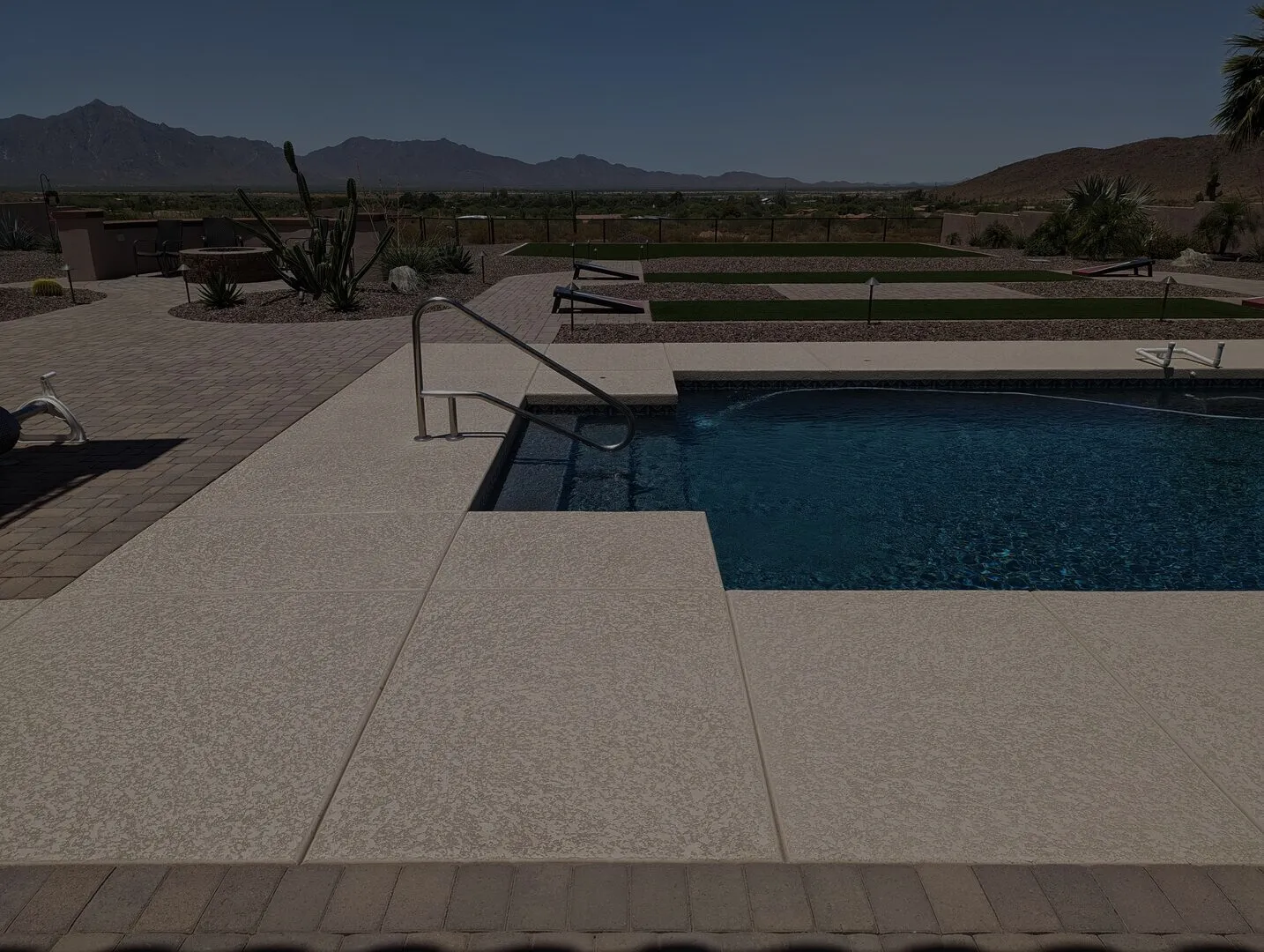




Revamp Your Outdoor Space with the Right Concrete Patio Coating
Why Concrete Patio Coating Is a Game-Changer for Outdoor Spaces
A dull concrete slab can make your outdoor area feel unfinished and uninspired. But with a concrete patio coating, you can elevate the look and feel of your backyard while improving the surface’s longevity. Whether you’re after a clean, modern finish or a textured decorative upgrade, coating your concrete patio delivers both visual appeal and long-term functionality.
These coatings do more than just look good—they guard your patio against rain, sun, stains, and daily wear. With the right application, your patio becomes easier to clean, safer to walk on, and far more attractive for entertaining or relaxing.
Top Benefits of Coating Concrete Patios
Coating your concrete patio isn’t just a visual upgrade—it’s a practical investment in your home’s exterior. Key advantages include:
- Weather Resistance: Protects against UV rays, moisture, freezing, and thawing.
- Enhanced Curb Appeal: Instantly transforms boring gray concrete into a feature worth showing off.
- Slip Resistance: Textured finishes or anti-slip additives can reduce the risk of slipping during rain or poolside activity.
- Easy Maintenance: Stain-resistant and non-porous surfaces make cleaning simple—just rinse or sweep.
- Long-Term Durability: Resists cracking, fading, chipping, and chemical damage from outdoor use.
A well-coated patio will stand up to the elements and daily use while maintaining its beauty.
Popular Concrete Coating Options for Patios
A. Epoxy Coating
A top choice for indoor or covered patios, concrete patio epoxy coating offers a glossy, seamless, and highly durable finish. It’s ideal for areas not exposed to constant UV light, as sun exposure can cause discoloration unless a UV-protective topcoat is added.
- Best For: Covered patios or shaded spaces
- Pros: Glossy finish, chemical resistance, cost-effective
- Cons: Can yellow in direct sunlight without topcoat
B. Polyurea and Polyaspartic Coatings
These high-performance coatings cure quickly, are UV stable, and maintain flexibility under temperature shifts. They’re more expensive than epoxy but offer top-tier outdoor durability and longer lifespan.
- Best For: Full-sun patios, high-traffic areas
- Pros: Fast cure time, excellent durability, UV protection
- Cons: Higher initial cost
C. Acrylic and Decorative Coatings
Looking for texture, color variety, or a faux-stone finish? Acrylic coatings are lightweight, breathable, and versatile. Popular in stamped or stained finishes, they allow homeowners to customize without compromising strength.
- Best For: Decorative or stamped looks
- Pros: Customization, slip-resistance, budget-friendly
- Cons: Less durable than epoxy or polyurea under heavy use
Choosing the Best Concrete Coating for Your Patio
When selecting a concrete coating for patio upgrades, consider the following:
- Climate Exposure: Full-sun areas need UV-stable coatings like polyaspartic or acrylic. Covered patios can use epoxy.
- Foot Traffic & Furniture: Heavily used areas benefit from scratch-resistant and impact-tolerant coatings.
- Design Preferences: Choose from matte, gloss, or decorative finishes to match your aesthetic.
- Application Time: Some coatings cure in hours, others in days—consider your schedule when planning.
Evaluating your space’s needs will help you choose a coating that’s both practical and stylish.
Step-by-Step: How to Coat a Concrete Patio
Step 1: Clean the Surface
Use a pressure washer or degreaser to remove oil stains, dirt, and organic matter. The surface must be spotless for proper adhesion.
Step 2: Repair Damages
Patch cracks, holes, or spalling areas with concrete repair compound. Smooth out the surface using a trowel.
Step 3: Etch the Surface
Etching with a concrete etching solution opens the pores, allowing the coating to bond securely.
Step 4: Apply the Coating
Use a roller or squeegee to apply your chosen concrete patio coating evenly. Multiple coats may be necessary depending on product type.
Step 5: Let It Cure
Allow proper cure time—typically 24 to 72 hours. Avoid foot traffic or placing furniture until fully cured.
Hiring a Patio Floor Coating Company vs. DIY
| Option | Pros | Cons |
| DIY | Lower cost, hands-on satisfaction | Risk of uneven finish, poor prep |
| Professional Patio Coating | Expert results, longer durability | Higher upfront cost |
Working with a patio floor coating company ensures a smooth, professional finish—especially if your patio has cracks, slopes, or stubborn stains. For small, straightforward jobs, DIY might be a viable and rewarding option.
How Long Will My Coated Patio Last?
The lifespan of your concrete coating patio depends on material, installation, and maintenance:
- Epoxy Coatings: 5–10 years outdoors (longer if UV-protected)
- Polyaspartic/Polyurea: 10–15 years, with excellent sun and temperature resistance
- Acrylic Coatings: 3–7 years, depending on exposure and foot traffic
Performing periodic cleanings and reapplying sealant (if needed) will extend the life of any coating.
Is a Concrete Patio Coating Worth It?
Absolutely. Investing in a concrete patio coating transforms your outdoor area into a beautiful, weather-resistant, and functional space. Whether you’re hosting barbecues, enjoying a sunset, or increasing your home’s value, the right coating can elevate both form and function.
From cost-effective epoxy to high-performance polyurea to decorative acrylics, there’s a coating option that suits every need. And if you’re not ready to go it alone, a trusted patio floor coating company can deliver professional results that stand the test of time.
Design Ideas & Customization Options for Patio Coatings
-
Stamped Overlays
: Mimic the look of stone, brick, or slate without the high installation cost.
-
Colored Stains
: Choose earthy tones for a natural look or bold hues for a modern aesthetic.
-
Metallic Finishes
: Add a shimmering, high-end effect that reflects light beautifully during evening gatherings.
-
Flake Blends
: Incorporate multi-colored flakes into your coating for added texture, slip resistance, and visual interest.
-
Custom Borders & Patterns
: Define different patio zones—like dining, lounging, or grilling—with decorative edging.
Maintenance & Cleaning Tips for Coated Patios
-
Regular Sweeping
: Prevent dirt and grit from scratching the coating by sweeping or blowing leaves away.
-
Occasional Mopping
: Use mild soap and warm water for deep cleaning. Avoid acidic or abrasive cleaners.
-
Spot Cleaning Spills
: Oil, grease, or food spills should be wiped quickly to prevent surface stains.
-
Furniture Protection
: Place pads under heavy chairs, tables, or grills to avoid scratches.
-
Resealing When Needed
: Some coatings, especially acrylics, may need resealing every few years for optimal protection.
Common Mistakes to Avoid When Coating a Patio
Skipping Surface Preparation
Coatings won’t bond to dirty, greasy, or uneven concrete. Power washing and repairing cracks are critical first steps.
Applying in the Wrong Weather
Extreme heat, cold, or humidity can prevent coatings from curing properly. Always check the product’s recommended conditions.
Using the Wrong Coating for the Environment
Epoxy may work well in shaded areas but will yellow in constant sun. Choosing the wrong product leads to faster deterioration.
Rushing the Curing Process
Walking or placing furniture on the patio before it’s fully cured can leave permanent marks or weaken the finish.
DIY Without Proper Tools
While DIY kits are available, not having rollers, squeegees, or mixing equipment can cause streaky or uneven results.
FAQs
What is the best coating for a concrete patio?
Polyurea or polyaspartic coatings are best for durability and UV resistance. Epoxy is ideal for covered patios, while acrylics offer decorative options.
What is the best covering for a concrete patio?
Coatings like epoxy, polyurea, or stamped acrylic overlays are the best for enhancing appearance and durability.
What is the best finish for a concrete patio?
Gloss for a sleek look, matte for subtlety, or textured finishes for added slip resistance.
What is patio coating?
Patio coating is a protective layer applied to concrete to improve aesthetics, resist wear, and extend surface life.
Does concrete coating last?
Yes. With proper prep and maintenance, coatings can last 5 to 15 years, depending on the product type and exposure.