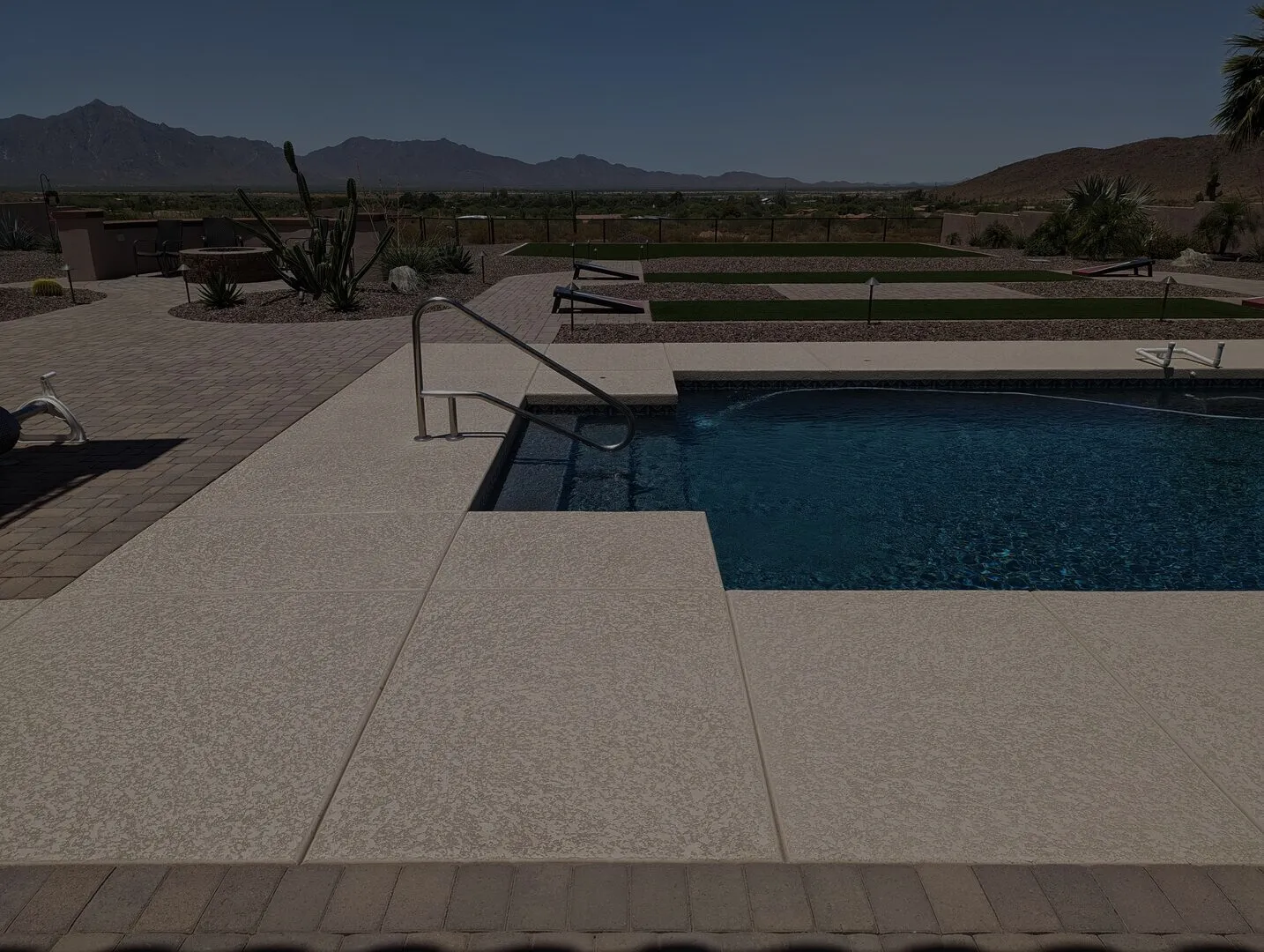




Elevate Your Outdoor Experience—From the Ground Up
A patio should be more than a slab of concrete and a few chairs—it should be a curated extension of your home, a place where lemonade meets lounge time, and flip-flops meet flair. But all too often, patios are neglected. They crack, fade, collect mildew, and—let’s not sugarcoat it—become slippery death traps the moment it rains.
Enter: patio coating solutions. These modern marvels not only elevate aesthetics but also enhance safety, durability, and comfort. Whether you’re dodging puddles, upgrading your outdoor look, or just want something your guests won’t skid across, there’s a coating designed to make your patio the envy of the neighborhood.
Comparing Popular Patio Coating Options
From functional to fabulous, here’s how today’s top coating choices stack up:
| Coating Type | Best For | Average Cost per Sq. Ft. | Features | Lifespan |
| Anti-Slip Coating | Wet or high-traffic patios | $1.50 – $3.50 | Slip-resistant, weatherproof | 5–8 years |
| Rubber Coating | Concrete patios, family-friendly use | $3 – $6 | Cushioned feel, crack resistant | 8–12 years |
| Textured Acrylic Coating | Decorative finishes with grip | $2 – $4.50 | Custom textures, UV resistant | 5–10 years |
| Stone-Look Overlay | Upscale patio makeovers | $4 – $10 | Realistic stone aesthetic | 10–15 years |
| Powder Coating (Furniture) | Patio chairs, tables, metal decor | $50 – $100 per item | Rustproof, fade-resistant finish | 10–20 years |
Maintenance Tips for Long-Lasting Patio Coatings
- Routine Cleaning – Sweep regularly and hose down debris. For stubborn stains, use a mild detergent and a soft-bristle brush.
- Avoid Harsh Chemicals – Skip bleach or strong acids, which can eat away at coatings.
- Reapply Sealants When Needed – Some coatings, especially acrylic or stone-look finishes, benefit from a reseal every 2–3 years.
- Furniture Pads Are Your Friend – Rubber or felt pads under chairs and tables prevent scratches or chips.
- Quick Repairs – Address cracks or chips as soon as they appear to prevent bigger issues later.
Anti-Slip Coating – Safety Meets Simplicity
Nothing ruins a barbecue like a busted tailbone. Anti-slip coatings are engineered to add subtle grit to your patio surface, reducing the risk of slipping while preserving the look of your slab. Ideal for poolside areas, rainy climates, or patios that double as race tracks for over-caffeinated toddlers.
These coatings often include epoxy or acrylic bases combined with sand-like aggregates for texture. They’re transparent or tinted, letting you enhance safety without compromising on style. Low maintenance, high peace of mind.
Rubber Coating – Soft Underfoot, Tough Under Pressure
If your patio sees more action than your living room, rubber coating is a worthy contender. Designed to withstand heavy use and harsh weather, rubber coatings bring a soft, cushioned texture underfoot that’s perfect for barefoot wanderers, kids at play, and anyone tired of cracked concrete.
They’re slip-resistant, water-repellent, and capable of bridging small surface imperfections. Bonus? Rubber coatings also dampen sound—so the clatter of metal patio furniture becomes more of a whisper than a bang.
Textured Acrylic Coating – Grip With a Splash of Glam
Acrylic coatings don’t just protect your patio—they give it a personality. Textured acrylic coatings can be customized with colors, stencils, or patterns that mimic tile, stone, or abstract art. It’s like haute couture for concrete.
But they’re not just about looks. These coatings are formulated to resist UV damage, mold, and water intrusion. The texture adds grip, while the finish brings flair. Perfect for homeowners who want safety and style with a touch of drama.
Stone-Look Overlay – The Luxe Upgrade
Want your patio to look like it belongs on the cover of an architectural magazine? Stone-look overlays deliver big on curb appeal. These cementitious coatings replicate the elegance of slate, flagstone, or cobblestone—without the cost, maintenance, or annoying unevenness.
Applied over existing concrete, they’re stamped or hand-troweled into your desired texture, then sealed for strength and weatherproofing. They’re a favorite for upscale outdoor kitchens, patios with fireplaces, or any space where you want to impress without installing actual stone.
Powder Coating for Patio Furniture – The Finishing Touch
Your patio surface isn’t the only thing that deserves a facelift. Powder coating transforms rusty, chipped patio furniture into resilient, rust-proof, and fade-resistant showpieces.
Unlike traditional paint, powder coating is baked on in a high-heat curing process that creates a hard, durable shell around metal surfaces. It comes in a range of colors and finishes—from matte black to glossy turquoise—and can extend the life of your outdoor furniture by a decade or more.
Patio Coatings vs. Alternative Surface Options
|
Option
|
Type
|
Average Price per Sq. Ft.
|
Description / Features
|
|
Patio Coating
|
Protective/Decorative Layer
|
$1.50 – $10
|
Enhances safety, style, and weather resistance without replacing concrete.
|
|
Pavers
|
Stone/Concrete Units
|
$8 – $20
|
Stylish, versatile, but higher cost and requires regular weed control.
|
|
Stamped Concrete
|
Decorative Overlay
|
$6 – $15
|
Mimics stone/tile; more permanent but prone to cracking over time.
|
|
Natural Stone
|
Flagstone, Slate, Travertine
|
$15 – $30
|
High-end luxury finish, but expensive to install and maintain.
|
|
Decking
|
Wood or Composite
|
$12 – $25
|
Warm, elevated look; requires more maintenance for wood options.
|
Climate Considerations for Patio Coatings
- Hot & Sunny Regions – UV-resistant coatings (acrylics, polyurethanes) prevent fading and heat buildup.
- Rainy & Humid Climates – Anti-slip or rubber coatings excel at preventing dangerous slips.
- Cold & Snowy Areas – Flexible coatings like rubber hold up better to freeze-thaw cycles and resist cracking.
- Coastal Zones – Salt and moisture can corrode concrete and metal, making sealants and powder coatings a must.
Benefits Beyond Beauty
- Safety First – Slip resistance makes patios safer for kids, seniors, and poolside guests.
- Comfort Factor – Rubber and textured coatings feel better under bare feet compared to hot, rough concrete.
- Low Maintenance – Coatings resist mildew, mold, and stains, saving you hours of scrubbing.
- Budget-Friendly Makeovers – Instead of ripping out old slabs, coatings rejuvenate your patio at a fraction of the cost.
- Eco-Friendly Options – Many acrylic and rubber coatings are low-VOC and made with recycled content.
Pro Tips Before You Choose a Patio Coating
- Assess Your Patio’s Condition – Severe cracks or structural damage may require repair before coating.
- Consider Long-Term Goals – If you plan to sell your home, a stylish upgrade like a stone-look overlay may add curb appeal.
- Think About Usage – Families with kids or pets may prioritize safety and comfort over luxury finishes.
- Ask About Warranties – Professional installers often back coatings with 5–15 year warranties.
- Don’t Skip Professional Prep – Surface preparation (cleaning, grinding, sealing) makes or breaks the lifespan of your coating.
Frequently Asked Questions
How to stop paving slabs from being slippery?
Apply an anti-slip patio coating or sealant that includes fine aggregate. Regular cleaning helps too—algae and moss are major culprits in making slabs slippery.
Can you put a rubber coating over concrete?
Yes. Rubber coatings are specifically designed to bond with concrete. They provide a cushioned, non-slip surface ideal for patios, walkways, and pool decks.
What is the disadvantage of rubber concrete?
While rubber coatings are incredibly durable, they may fade over time under prolonged UV exposure and can be more expensive to repair if damaged.
What is the best material to put under patio stones?
A compacted base of crushed stone or gravel provides drainage and stability. For added weed control, include a layer of landscape fabric before laying stones.
What is patio coating?
Patio coating is a protective layer applied to surfaces like concrete, stone, or pavers. It enhances durability, adds traction, and improves aesthetics—turning plain patios into stylish, weather-resistant retreats.
A great patio starts underfoot. Whether you crave comfort, safety, or just a bit of show-stopping shine, there’s a patio coating to match your mood and mission. From the subtle grip of anti-slip finishes to the plush resilience of rubber, every option brings something valuable to the table—or, more accurately, to the floor beneath it.
So go ahead—upgrade the space where your garden parties begin and your Sunday lounging thrives. Your patio deserves more than plain gray. Give it texture. Give it traction. Give it personality.
How long does a patio coating last?
Can I DIY a patio coating?
Do patio coatings get hot in the sun?
Is patio coating worth the investment?
Can coatings cover cracks in concrete?