


Tennis Court Resurfacing
In the sweltering Arizona sun, tennis courts endure a relentless barrage of heat, UV radiation, and daily wear. Over time, even the most meticulously maintained surface begins to show its age—cracks spider across the pavement, color fades to a sun-washed gray, and traction diminishes. Whether you manage a community court in Phoenix or a private surface in Tucson, resurfacing is the key to restoring playability, aesthetics, and long-term court value. Rockstar Coating Pros delivers high-performance resurfacing solutions that rejuvenate your court from the ground up.

Request a
Free Estimate
Why Resurface Your Tennis Court
Safety, Traction & Curb Appeal
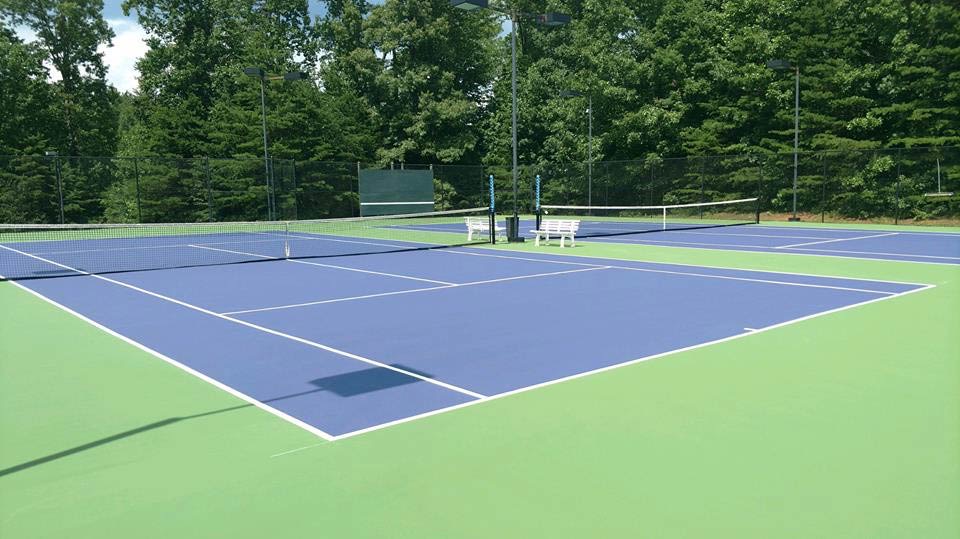
A deteriorating court is more than an eyesore—it’s a safety hazard. Surface cracks, low-friction zones, and uneven patches can lead to sprained ankles, twisted knees, or worse. Resurfacing brings back essential grip and cushioning, helping prevent injuries while enhancing your game. A fresh surface also revitalizes your facility’s image. Crisp white lines, vibrant color schemes, and a flawless finish signal professionalism, pride, and quality—all factors that make a lasting impression on players, guests, and neighbors alike.
When to Resurface: Every 4–8 Years
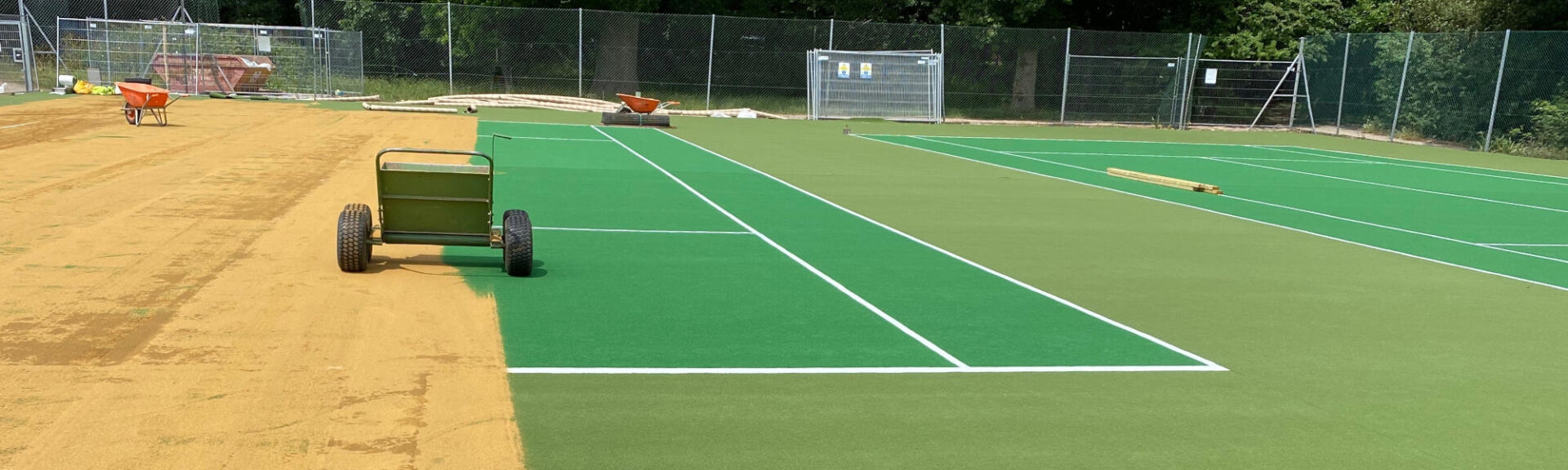
The ideal resurfacing interval falls between four and eight years, depending on usage, climate, and prior maintenance. In Arizona, the high desert climate accelerates wear, especially for outdoor courts exposed to daily thermal expansion and contraction. If you notice fading paint, persistent puddles, or cracking—even minor—it’s likely time to call in a pro. Preventative resurfacing avoids deeper structural damage and costs less than full court reconstruction.
Resurfacing Methods Compared
Asphalt Overlay
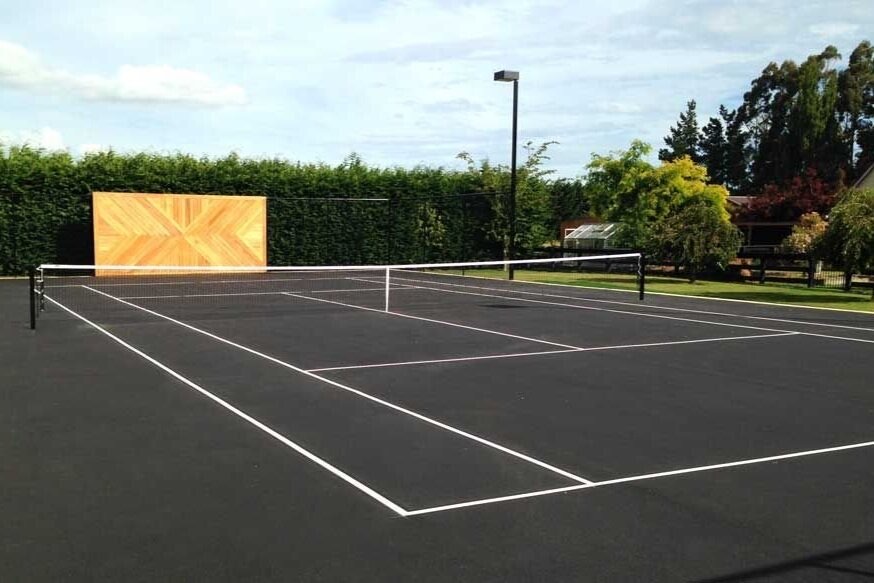
Asphalt overlay is a traditional choice for resurfacing tennis courts with structurally sound but worn foundations. The process involves applying a new asphalt layer over the existing base, then finishing it with color coatings and game lines. It’s cost-effective and can extend the life of a court by several years. However, Arizona’s intense temperature swings can cause asphalt to expand and crack, so sealing is essential. It’s best suited for courts that haven’t yet developed major structural issues.
Acrylic Coating System
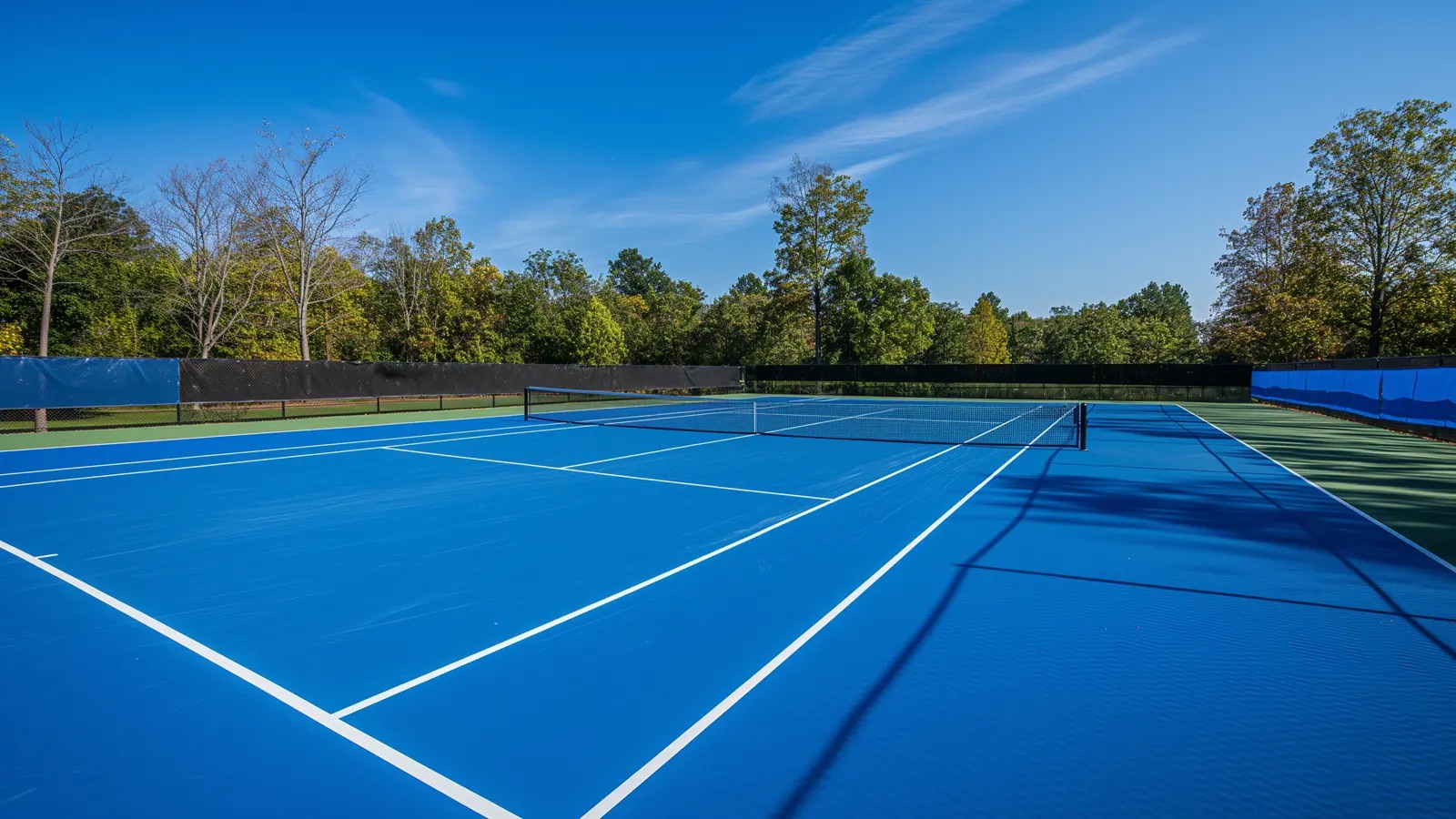
Acrylic resurfacing systems offer vivid aesthetics and customizable play characteristics. After crack repair and leveling, several coats of acrylic surfacing are applied, often with sand additives to dial in desired traction. This system provides UV resistance, color longevity, and an ideal bounce for recreational and competitive play. Acrylic court resurfacing requires a well-prepped base—imperfections left untreated can telegraph through the coating. Nonetheless, it’s one of the most popular options for public and private courts alike.
Cushioned Surface Layers (Shock Absorption)
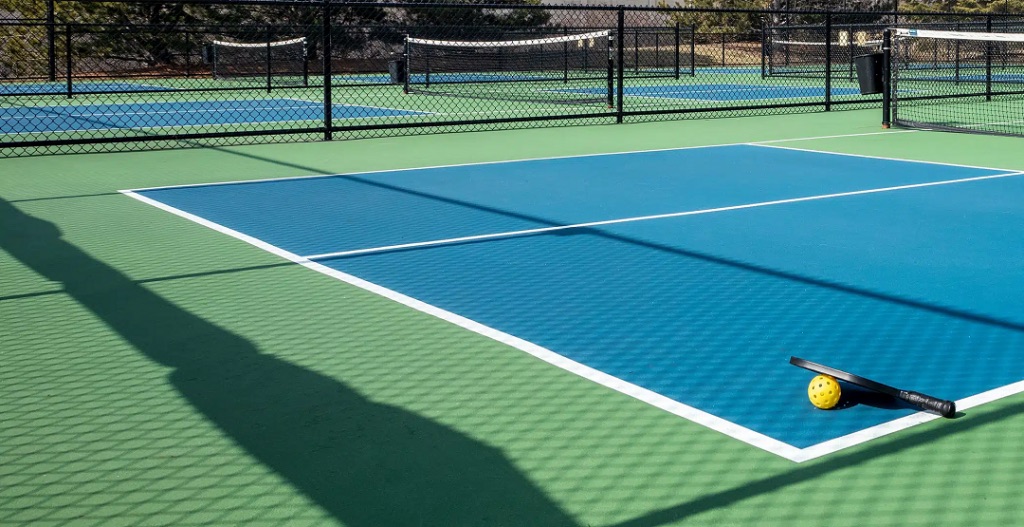
For players seeking performance and comfort, cushioned surfacing systems add a shock-absorbing underlayer between the base and the acrylic finish. These systems reduce joint fatigue and minimize injury risks, making them ideal for high-use courts or facilities serving senior or youth players. While installation costs more—typically an additional $1 to $2 per square foot—the longevity, player comfort, and premium feel often justify the investment. This is the gold standard in modern tennis court resurfacing.
Costs & Value of Resurfacing
Typical Price Range: $4,000–$10,800
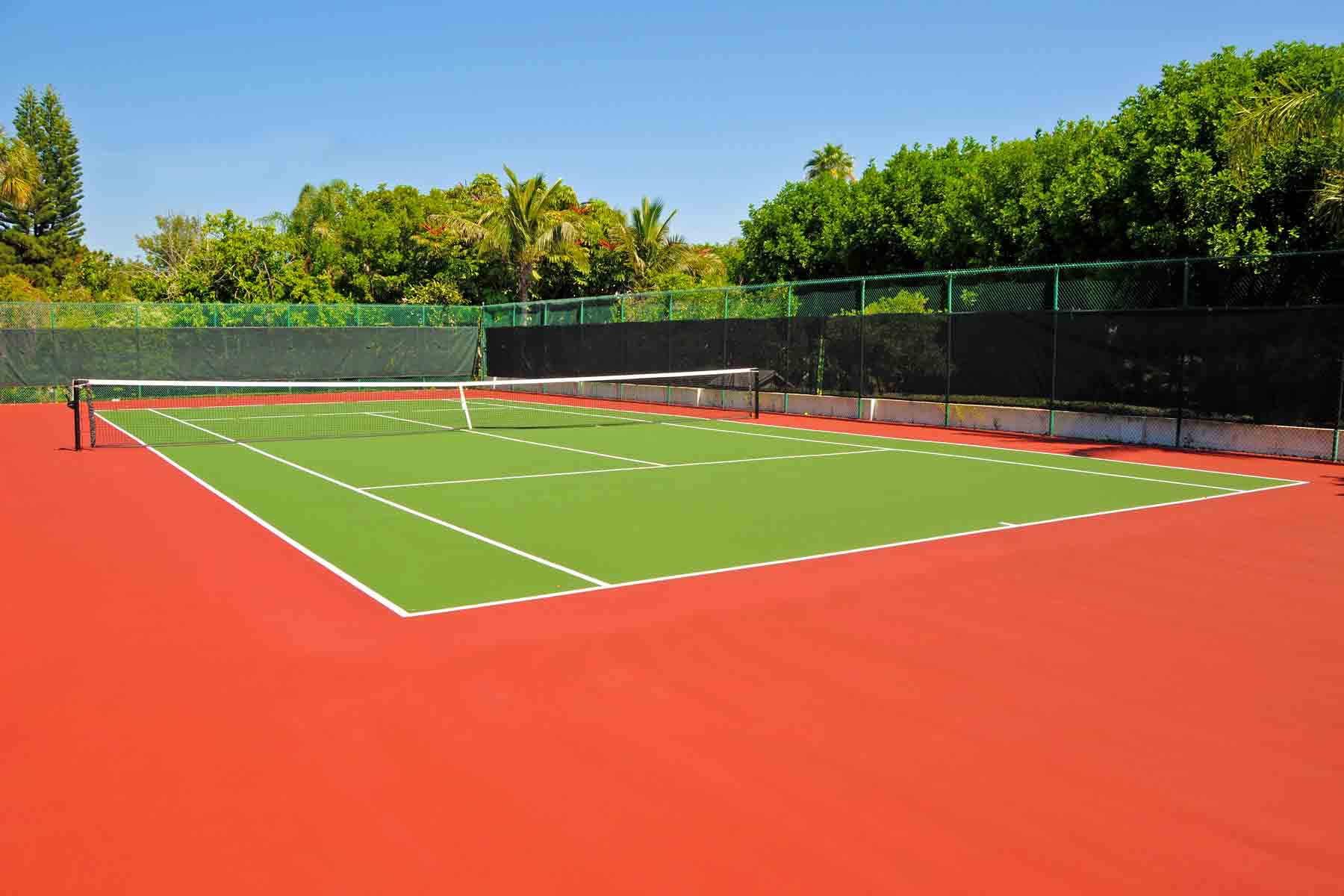
The tennis court resurfacing cost varies based on the chosen method, the condition of the existing surface, and optional upgrades like cushioning or custom colors. For a standard 120′ by 60′ court, expect to pay between $4,000 and $10,800. Asphalt overlays usually fall on the lower end, while cushioned acrylic systems land at the higher end. Labor, materials, and prep time all factor into the final quote. Quality pays off—cutting corners often results in premature failure.
Crack Repair & Leveling Costs
Crack repair is a critical part of the resurfacing process. Ignoring foundational flaws only leads to recurring issues down the line. Minor crack repair typically costs $300–$1,000 per court. For extensive leveling or structural issues, the price can rise significantly. At Rockstar Coating Pros, we use flexible crack repair compounds and laser-leveling tools to ensure your court is as flat and seamless as the day it was built.
Lifespan & Maintenance
Resurface Every 4–8 Years
Arizona’s harsh sun, monsoon moisture, and blowing sand mean that outdoor tennis courts require regular resurfacing. Depending on play frequency and climate exposure, a resurfaced court should last 4 to 8 years. Indoor courts or shaded outdoor facilities may stretch that timeline slightly. Regular inspections and proactive maintenance will help extend the surface’s performance life.
Seasonal Cleaning & Minor Repairs
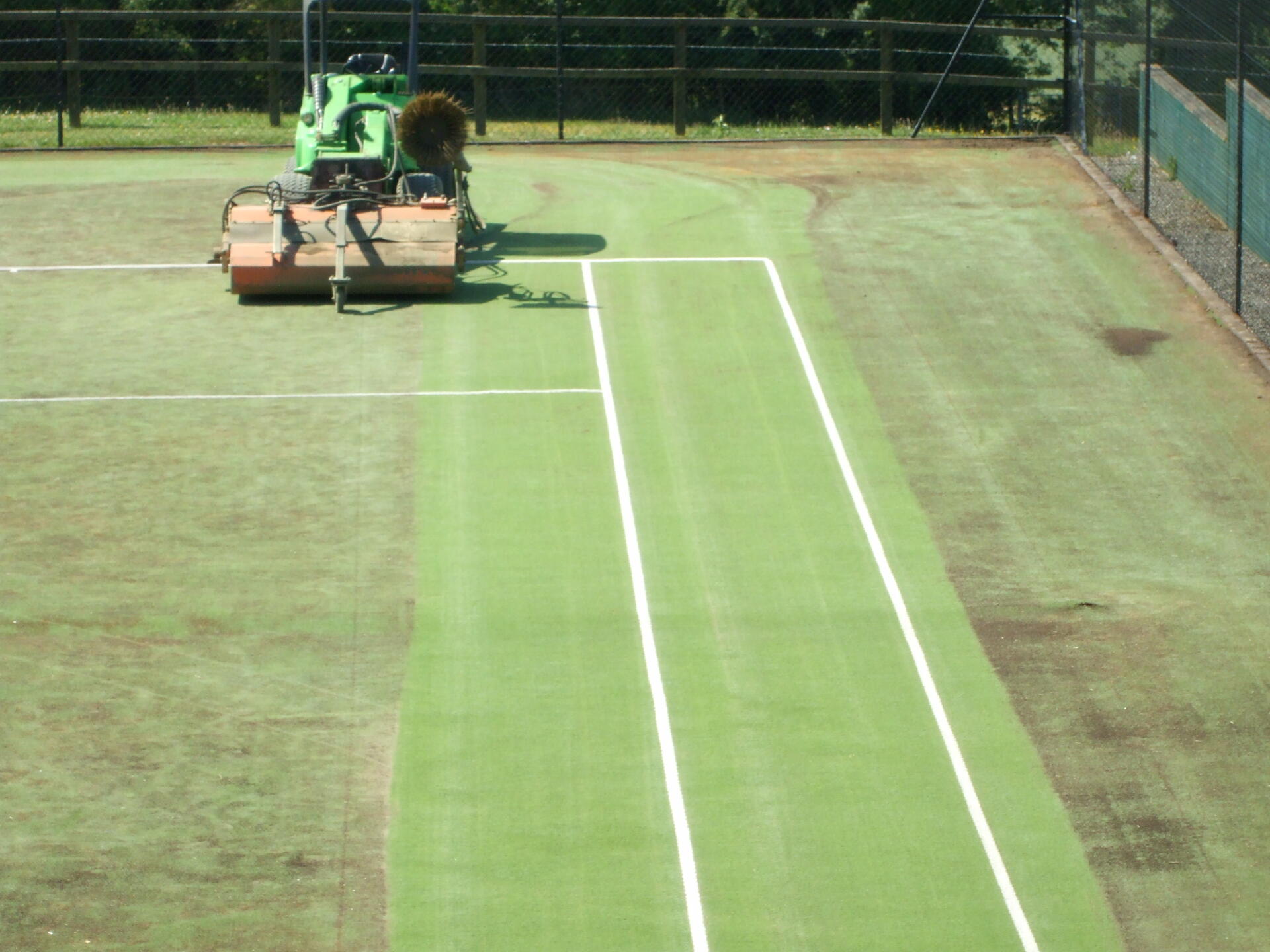
Routine maintenance can delay the need for major resurfacing. Clean off debris weekly to prevent surface abrasion. Wash the surface quarterly to remove oils and stains. Inspect for cracks or birdbaths (small low spots that collect water) after every monsoon season. Early repair keeps resurfacing costs manageable and ensures uninterrupted play.
Service Areas We Cover
We proudly serve the greater Phoenix area and beyond, bringing top-tier tennis court resurfacing to:
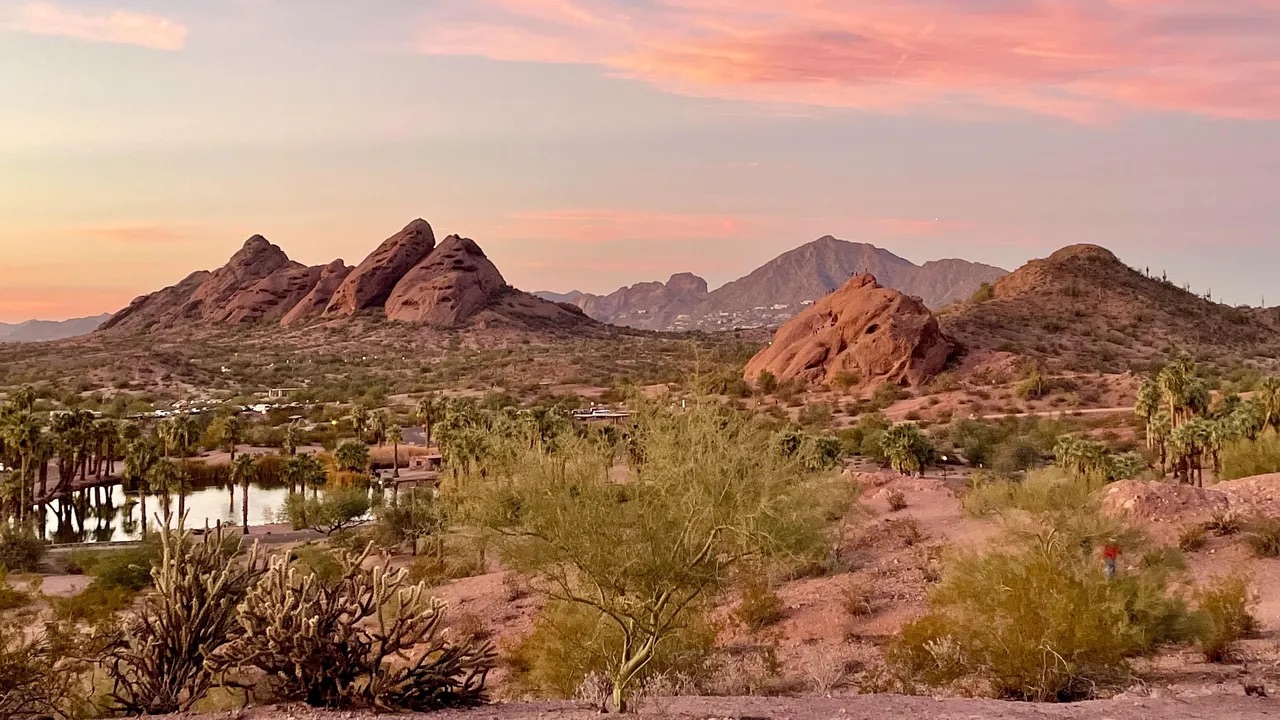
Phoenix
From Arcadia to Ahwatukee, our crews know the Valley’s toughest surface challenges.
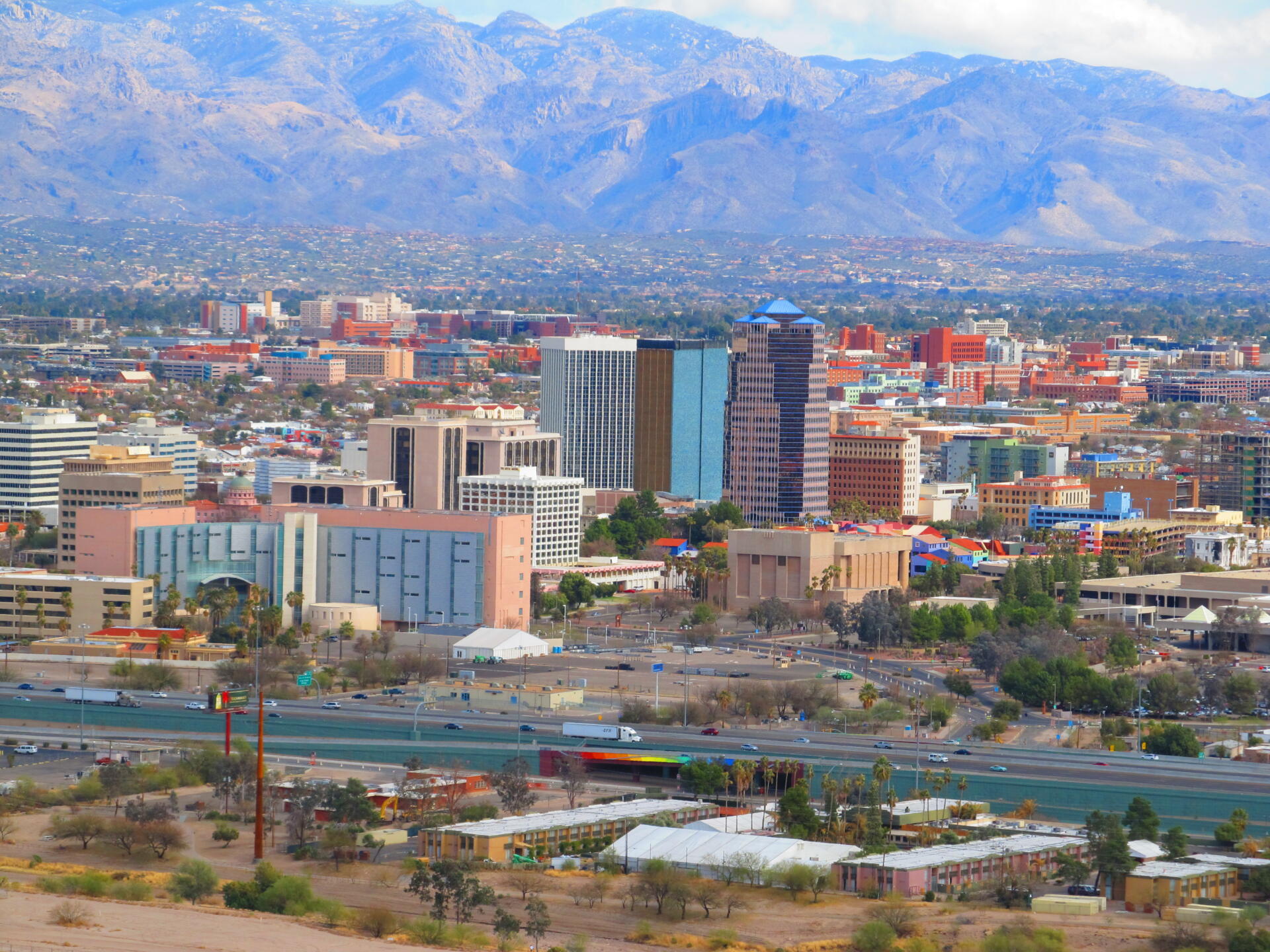
Chandler
Homeowners’ associations and parks benefit from our low-VOC coatings and precise game line layouts.
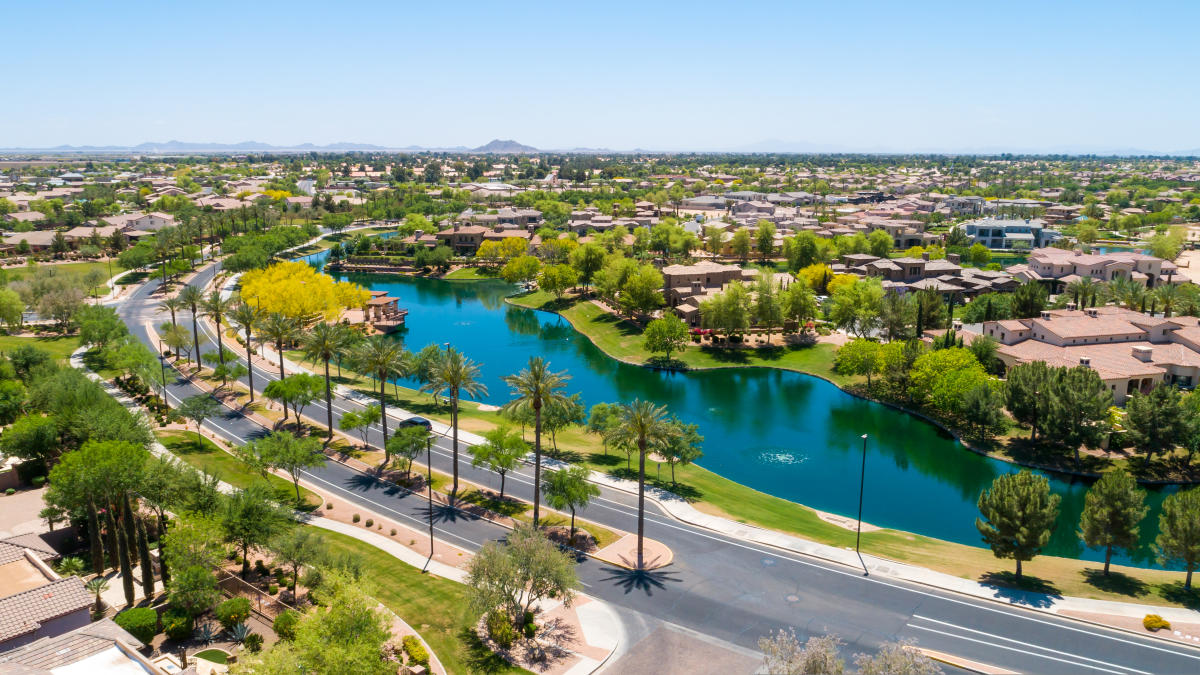
Tucson
We handle both residential and institutional resurfacing in this southern Arizona hub.
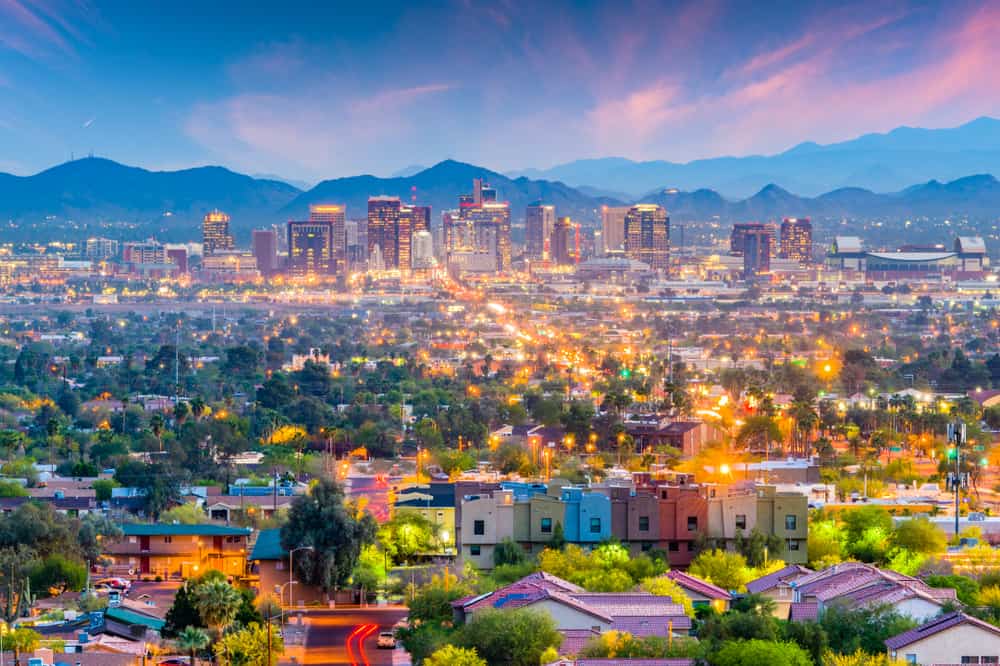
Maricopa County
We travel throughout the county to revitalize school courts, private clubs, and community centers.
Why Choose Rockstar Coating Pros
Local Crews with Premium Materials
Our teams live and work in the communities we serve. We know Arizona’s climate and what it does to courts—and we’ve engineered systems that stand up to the heat, sand, and seasonal storms. Every resurfacing job is completed with premium, sport-grade materials designed for UV exposure and high foot traffic. We don’t just patch—we upgrade.
Eco-Friendly & Energy‑Saving Options
Our acrylic systems feature low-VOC formulas, and our color options include heat-reflective choices that reduce surface temperatures by up to 20°F. Cooler courts mean more comfortable play—and less stress on the surface itself. Wherever possible, we use sustainable materials and responsible disposal practices.
Get Started: Request Your Free Quote
Resurfacing your tennis court is an investment in safety, aesthetics, and performance. Whether you’re managing a single court or an entire facility, Rockstar Coating Pros delivers precision, speed, and lasting results. Reach out today for a free, no-obligation estimate tailored to your court size, condition, and surface goals.
Tennis Court Resurfacing Options – Comparison Table
| Resurfacing Type | Cost Estimate (120′×60′) | Lifespan | Pros | Cons |
| Asphalt Overlay | $4,000–$7,200 | 5–8 years | Durable, cost-effective | Prone to cracking, requires sealing |
| Acrylic Coating System | $3,500–$7,200 | 4–8 years | Bright colors, customizable | Needs a flawless base |
| Cushioned Surface Layers | +$1–$2/ft² (adds to total) | 8–10 years | Comfortable, shock-absorbing | Higher initial cost |
Frequently Asked Questions (FAQ)
What is tennis court resurfacing?
What is the cheapest way to resurface a tennis court?
What is the best surfacing material for a tennis court?
How much does it cost to resurface a tennis court?
Ready to elevate your court? Request a free quote today and discover why Rockstar Coating Pros is Arizona’s trusted name in tennis court resurfacing.