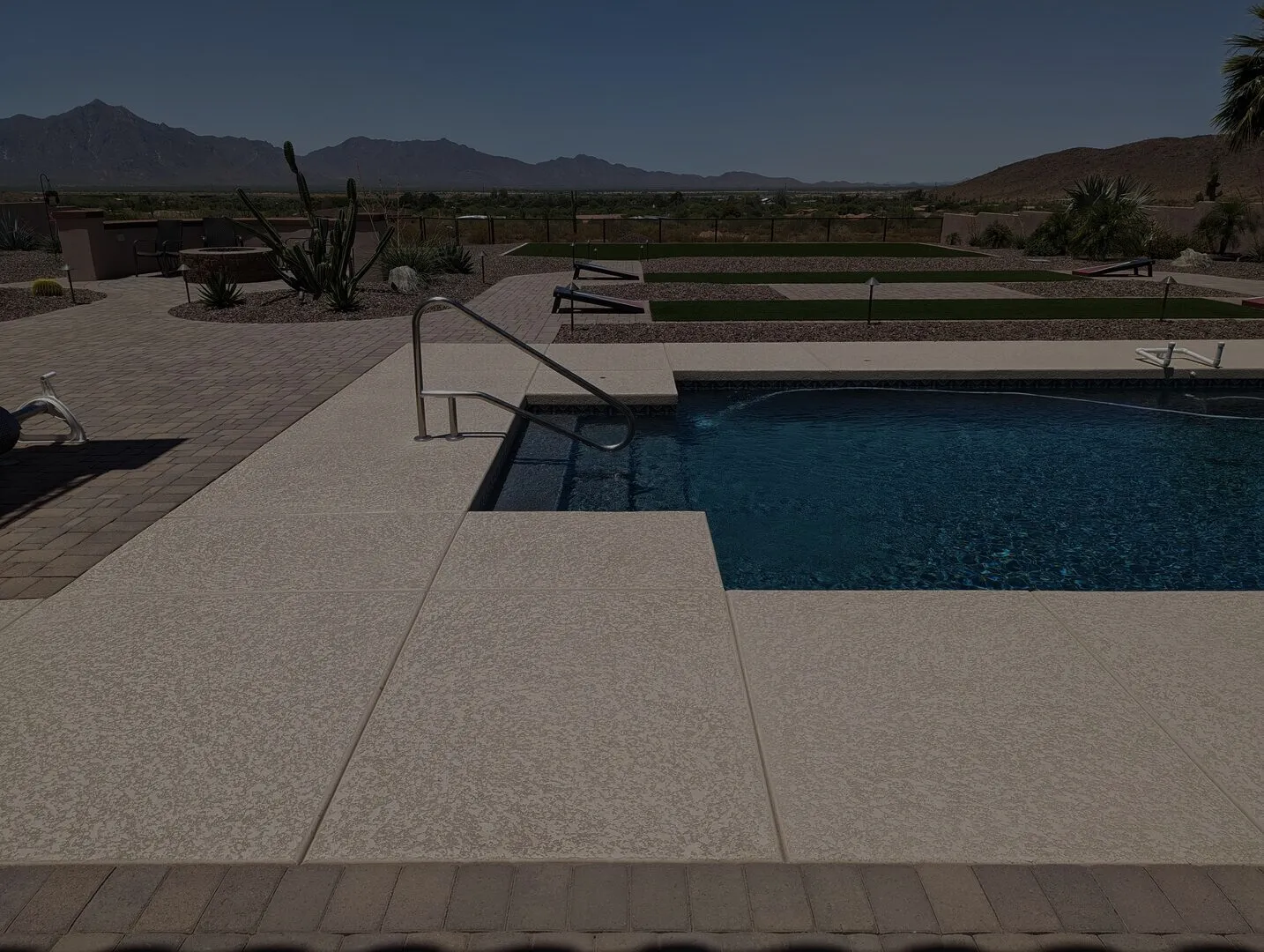




Creative Ideas and Costs for Stunning Stained Concrete Floors & Patios
Why Choose Stained Concrete Floors?
Stained concrete is one of the most versatile and visually impactful ways to enhance your interior or outdoor flooring. Homeowners, designers, and commercial property owners alike turn to stained concrete for its unique combination of beauty, strength, and low maintenance.
Unlike tile or hardwood, stained concrete doesn’t warp, crack, or collect allergens. It’s resistant to moisture and sunlight, making it ideal for nearly every room in your home—from basements and kitchens to patios and walkways.
Another reason to love stained concrete? It breathes new life into old slabs. Instead of demolishing and replacing worn concrete, staining transforms it with color, depth, and personality. This makes it a cost-effective alternative to traditional flooring upgrades.
Beyond durability, stained concrete provides a level of customization that’s hard to match. With the right stain and technique, concrete can take on the appearance of marble, wood, leather, natural stone, or something entirely abstract. You get a bespoke floor without the high-end material cost. Whether you prefer earthy neutrals or bold statement finishes, stained concrete can adapt to your aesthetic vision.
Popular Styles: From Black to Blue Ocean Concrete Stains
Black Stained Concrete Floors
Black stained concrete floors offer a clean, bold, and sophisticated look that pairs seamlessly with modern interiors. Whether you’re styling a minimalist apartment, a polished retail showroom, or a chic industrial loft, black stain creates a dramatic visual impact.
When paired with matte sealers, black floors absorb light and give off a velvety richness. Glossy sealers reflect ambient lighting, adding depth and elegance. Designers often use black stain in open-concept living spaces or high-end entryways for a luxurious, grounded finish.
The practical benefits are just as appealing: black concrete hides imperfections and resists staining when sealed properly. Just note it may show dust, so regular cleaning is important.
Blue Ocean Stained Concrete Floors
Blue ocean stained concrete floors deliver color and creativity in spades. This vibrant tone ranges from deep navy to turquoise, depending on the stain and application. It’s perfect for pool decks, beach homes, and children’s playrooms.
Contractors can create wave-like marbling or use metallic additives for shimmer. Combined with glossy sealers, these floors look like rippling water—a stunning effect in sunlit rooms or outdoor patios.
Blue stained concrete also works well in themed spaces like coastal dining areas or spa-inspired bathrooms. It’s an unexpected twist that still feels organic and stylish.
Concrete Stained Like Wood
For those who love the look of hardwood but need something tougher, concrete stained like wood is the perfect solution. Stamping techniques and layered stains allow concrete to mimic real wood grain with convincing detail.
You can choose from a wide range of “wood” tones: weathered gray, walnut, oak, cherry, or driftwood. It’s ideal for patios, basements, sunrooms, and even garage lounges—spaces where moisture and temperature changes make traditional wood impractical.
Best of all, stained concrete wood-look floors are slip-resistant, pet-friendly, and ultra-durable.
Stained Concrete Floor Ideas for Every Space
Whether you’re remodeling a single room or reimagining an outdoor space, stained concrete can be tailored to your environment. Here are some design ideas based on location:
| Area | Design Idea | Finish Type |
| Basement | Espresso stain with matte sealer | Rustic-modern |
| Kitchen | Light gray stain + glossy finish | Clean and industrial |
| Patio | Sandstone with light texture | Natural and slip-resistant |
| Entryway | Saw-cut lines with terracotta stain | Decorative |
Design Enhancements to Consider:
- Saw-cut tile patterns: Create the illusion of tiles or bricks with precision saw cuts.
- Contrasting stained borders: Add a frame or outline in a different stain color.
- Faux stone or marble finishes: Use layered stain techniques to mimic expensive surfaces.
- Custom logos or stencils: Perfect for commercial properties, man caves, or custom garage floors.
Stained Concrete Cost Breakdown
While stained concrete is affordable compared to premium flooring options, prices vary by finish, condition, and prep work.
| Finish Type | Estimated Cost (Per Sq. Ft.) |
| Basic single-color stain | $2 – $4 |
| Mid-range with texture or pattern | $4 – $8 |
| High-end (multi-color, faux look) | $8 – $15 |
Cost Factors:
- Square footage: Larger areas reduce cost per square foot.
- Concrete condition: Cracks, stains, or uneven surfaces require grinding or patching.
- Type of stain: Acid stains create variegated, earthy tones; water-based stains allow for more vibrant colors.
- Custom designs or overlays: Borders, patterns, and multi-tone applications raise costs but deliver high visual impact.
For a 500 sq. ft. patio, expect to pay between $1,000 and $3,000 depending on design complexity. Larger or highly detailed jobs may run significantly higher.
Inspiration: Pictures of Stained Concrete Patios
Still deciding on your style? Browse pictures of stained concrete patios to get inspired by real-world designs. Common themes include:
- Faux flagstone in tan, gray, or rust tones: Irregular shapes mimic natural stone without the installation headache.
- Brick red patios with diamond-cut patterns: Adds structure and elegance—especially great around fire pits or garden walls.
- Charcoal gray borders for definition: Contrasts a lighter center and helps define seating areas or walkways.
- Stamped wood plank finishes that resemble cedar or oak: Great for farmhouse-style outdoor areas and poolside retreats.
Use Pinterest boards, contractor galleries, or manufacturer lookbooks to collect your favorites. This visual inspiration will help guide your color and pattern decisions.
Cleaning Stained Concrete: Tips for Long-Term Beauty
Stained concrete is easy to maintain, but it still requires routine care to keep its color and finish intact.
Basic Maintenance Tips:
- Sweep or vacuum regularly to prevent grit from scratching the surface.
- Use a pH-neutral cleaner—avoid bleach, ammonia, vinegar, or anything acidic.
- Reseal every 2–3 years, especially for outdoor patios exposed to UV and moisture.
- Mop up spills quickly to prevent etching, particularly on acid-stained floors.
Advanced Protection:
For high-traffic interior areas like kitchens or hallways, consider applying a floor polish or wax over the sealer. This adds a layer of protection and boosts glossiness. Outdoor patios benefit from anti-slip additives in sealers for safety in wet conditions.
Proper care not only keeps your floors beautiful—it also extends their lifespan by up to a decade or more.
Should You Choose Stained Concrete?
Absolutely. Stained concrete floors and patios are durable, stylish, and cost-effective. Whether you’re drawn to black stained concrete floors, artistic blue ocean finishes, or natural wood looks, the design possibilities are nearly endless.
Key Benefits:
- Long lifespan (10–25 years)
- Suitable for indoor and outdoor applications
- Budget-friendly compared to hardwood or tile
- Easy to clean and maintain
- Fully customizable in style, texture, and tone
- Improves property value and curb appeal
For homeowners who want a blend of resilience and artistry, stained concrete delivers on every front. It’s functional enough for garages and patios, yet refined enough for living rooms and offices.
Whether you’re working with a small budget or designing a luxury space, this flooring option deserves serious consideration.
FAQs
Can concrete be stained black?
Yes, using acid- or water-based stains, concrete can achieve rich black tones. Sealing enhances the color and adds long-term protection.
What is stained concrete flooring?
It’s concrete treated with a translucent or pigmented stain to alter the surface color. It can resemble stone, tile, wood, or abstract artwork depending on technique.
How do you clean black concrete floors?
Sweep regularly and mop with a pH-neutral cleaner. Avoid abrasive brushes or acidic products to preserve the sealer and color.
What are the disadvantages of stained concrete floors?
They can feel cold or hard underfoot, require resealing every few years, and need expert installation for best results. Improper surface prep can lead to peeling or uneven color.
How long does stained concrete last?
With proper sealing and maintenance, stained concrete can last 20–30 years—making it one of the most durable flooring options available.