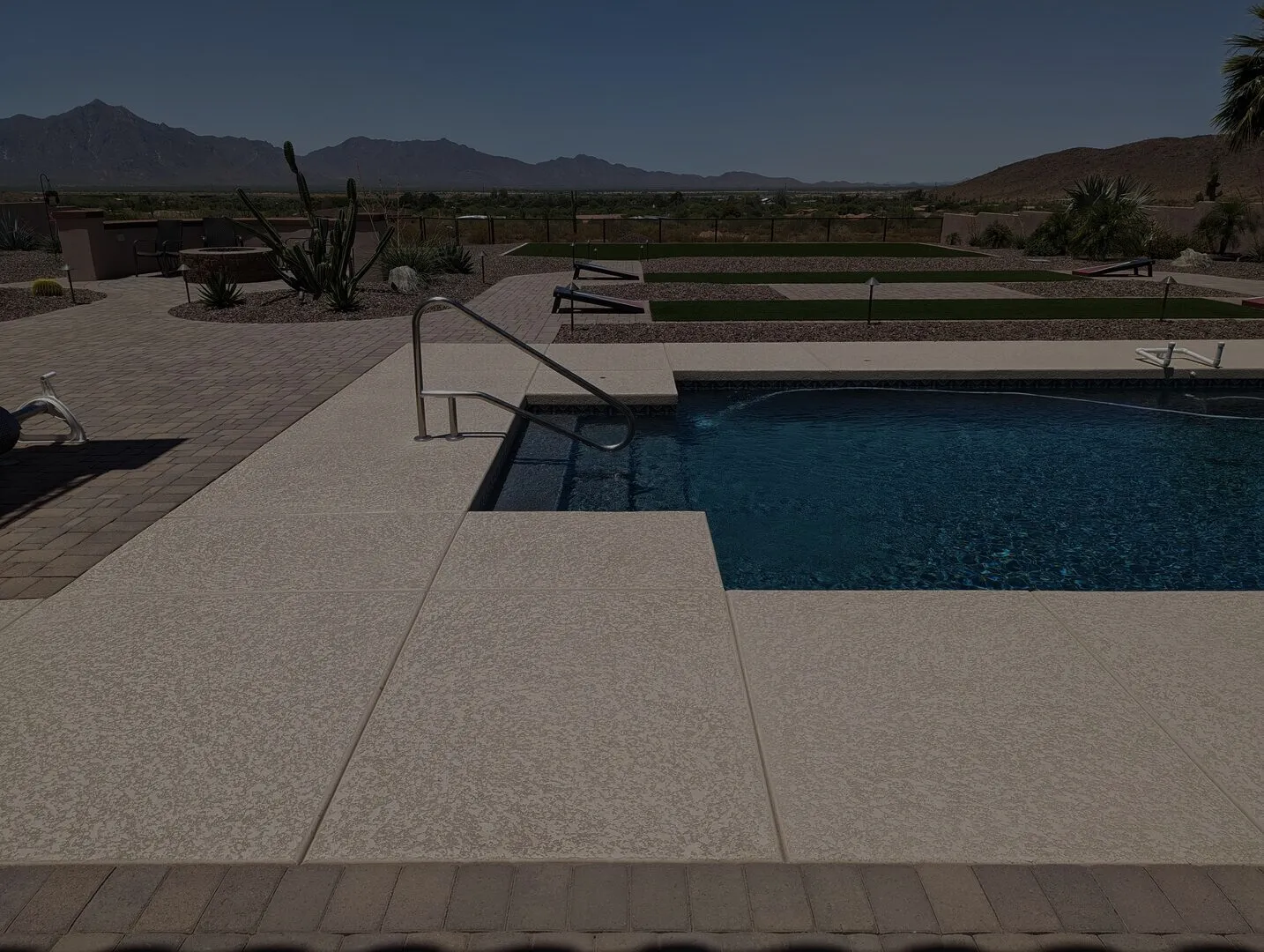




Why Pressure Washing & Sealing is Essential for Concrete Patios & Driveways
Concrete is durable, but it’s not invincible. Over time, your patio and driveway bear the brunt of relentless exposure—UV rays, rain, vehicle traffic, oil leaks, and even mildew growth. Without proper maintenance, what was once a pristine surface becomes a grimy, stained, and weakened slab of concrete that screams neglect.
Regular pressure washing and sealing does more than just make your concrete look fresh. It extends its life, protecting against cracks, weather-induced wear, and stubborn stains that can penetrate deep into the surface. The combination of washing and sealing works like an armor, preventing water absorption, mold buildup, and damage caused by freeze-thaw cycles.
Benefits of Pressure Washing & Sealing Concrete:
✅ Removes Deep Stains & Grime – Say goodbye to oil spills, dirt accumulation, and mildew growth.
✅ Prevents Cracks & Weather Damage – Keeps moisture from seeping in and causing structural weakening.
✅ Enhances Curb Appeal – A freshly cleaned and sealed driveway or patio looks brand new.
✅ Protects Against Water Absorption – Prevents freeze-thaw cycles from expanding cracks and causing spalling.
Routine washing and sealing ensures that your outdoor spaces remain visually appealing, structurally sound, and easy to maintain for years to come.
How to Pressure Wash & Seal a Concrete Patio or Driveway
1️⃣ Surface Preparation
Before getting the pressure washer out, it’s crucial to prepare the area to ensure effective cleaning and sealing.
🔹 Remove any debris, furniture, and obstacles from the surface.
🔹 Sweep or blow away loose dirt, leaves, and dust to prevent clogging your pressure washer.
🔹 Apply a degreaser or concrete cleaner if there are oil stains or other stubborn contaminants.
For best results, use a concrete-specific degreaser that breaks down oil and automotive fluids before pressure washing.
2️⃣ Pressure Washing
Now comes the fun part—blasting away dirt and grime. But be careful! Incorrect pressure washing techniques can actually damage concrete.
🔹 Use a pressure washer with at least 3000 PSI for a deep clean.
🔹 Work in even, overlapping strokes to avoid streaking.
🔹 Rinse the area thoroughly to remove detergent residue and loosened grime.
Pressure washing reveals the true state of your concrete—some stains may require a second pass or spot treatment before sealing.
3️⃣ Allow to Dry Completely
Sealing a wet surface is a big mistake. Moisture trapped under the sealer can lead to cloudiness, poor adhesion, and premature wear.
🔹 Wait 24-48 hours before applying a sealer.
🔹 Inspect for any remaining stains or efflorescence (white, powdery residue).
🔹 If needed, do a second pass with a mild cleaner before proceeding.
4️⃣ Apply a Concrete Sealer
Choosing the right sealer is critical for long-lasting protection and appearance.
🔹 Penetrating Sealer – Best for deep protection, preventing water absorption while maintaining a natural look.
🔹 Acrylic or Urethane Sealer – Adds a glossy, wet-look finish and enhances color.
🔹 Non-Slip Additives – Ideal for high-traffic areas where safety is a concern.
Apply the sealer with a roller or sprayer, working in thin, even layers. A second coat may be necessary for maximum protection.
5️⃣ Curing & Maintenance
Once sealed, your concrete needs time to cure before heavy use.
🔹 Avoid heavy foot traffic for 24 hours and vehicle traffic for 48 hours.
🔹 Reapply sealer every 2-5 years, depending on exposure levels.
🔹 Regular sweeping and occasional washing will prolong the life of the sealer.
Sealing is the final step in ensuring a long-lasting, well-protected concrete surface.
Acid Washing & Sealing Exposed Aggregate Concrete
Exposed aggregate concrete offers a stunning, textured finish, but it requires special care to maintain its appearance. Acid washing is an effective way to remove stubborn stains while enhancing the natural contrast of the aggregate stones.
Steps for Acid Washing & Sealing:
1️⃣ Pre-wash the surface to remove loose debris and dirt.
2️⃣ Apply a diluted muriatic acid solution, using a soft brush or sprayer.
3️⃣ Gently scrub without excessive force to avoid over-etching the surface.
4️⃣ Neutralize the acid by applying baking soda and water, then rinse thoroughly.
5️⃣ Allow the surface to dry completely before applying a sealer.
🔹 Best Sealer for Exposed Aggregate?
A solvent-based acrylic sealer is ideal, providing long-lasting protection and a wet-look finish that enhances the beauty of the aggregate stones.
Cost to Power Wash & Seal Driveways & Patios
| Service | Average Cost |
| Pressure Wash Only (per sq. ft.) | $0.20 – $0.50 |
| Pressure Wash & Seal (per sq. ft.) | $0.80 – $2.50 |
| Acid Wash & Seal Exposed Aggregate | $2 – $4 per sq. ft. |
| Paver Wash, Sand & Seal (per sq. ft.) | $1.50 – $3.50 |
💡 Cost Factors:
✔ Size & condition of the surface.
✔ Type of sealer (penetrating vs. acrylic).
✔ Labor costs & location.
Investing in pressure washing and sealing saves money over time by preventing costly repairs.
Paver Wash, Sand & Seal Process
Pavers require specialized care, including re-sanding joints to maintain stability.
Step 1: Pressure Wash the Pavers
🔹 Removes dirt, weeds, and stains.
Step 2: Re-Sand the Joints
🔹 Apply polymeric sand to stabilize pavers and prevent shifting.
Step 3: Seal the Pavers
🔹 Enhances color, prevents erosion, and protects against stains.
💰 Cost of Paver Sanding & Sealing: $1.50 – $3.50 per sq. ft.
Higher costs apply for premium sealers and larger areas.
Extend the Life of Your Concrete with Proper Washing & Sealing
Want a cleaner, more durable patio or driveway? Regular pressure washing and sealing will keep your concrete looking fresh, protected, and long-lasting.
Get a free quote from professional pressure washing & sealing services today!
FAQs
Should I seal my concrete patio after pressure washing?
Yes! Sealing protects against stains, moisture damage, and weathering, ensuring a longer-lasting surface.
Is it okay to pressure wash a concrete patio?
Absolutely. But use the right PSI (3000+ recommended) and avoid holding the nozzle too close to prevent etching.
Is it worth it to seal a concrete patio?
Yes. Sealing extends the lifespan, enhances appearance, and prevents costly damage.
Can you pressure wash a sealed patio?
Yes, but use low pressure to avoid wearing down the sealer prematurely.
Does pressure washing concrete remove sealer?
It can, depending on pressure level and sealer type. If removed, reapply sealer to maintain protection.
Regular pressure washing and sealing isn’t just about aesthetics—it’s about preserving and protecting your investment for the long haul. Keep your concrete surfaces looking flawless and fortified with proper maintenance!