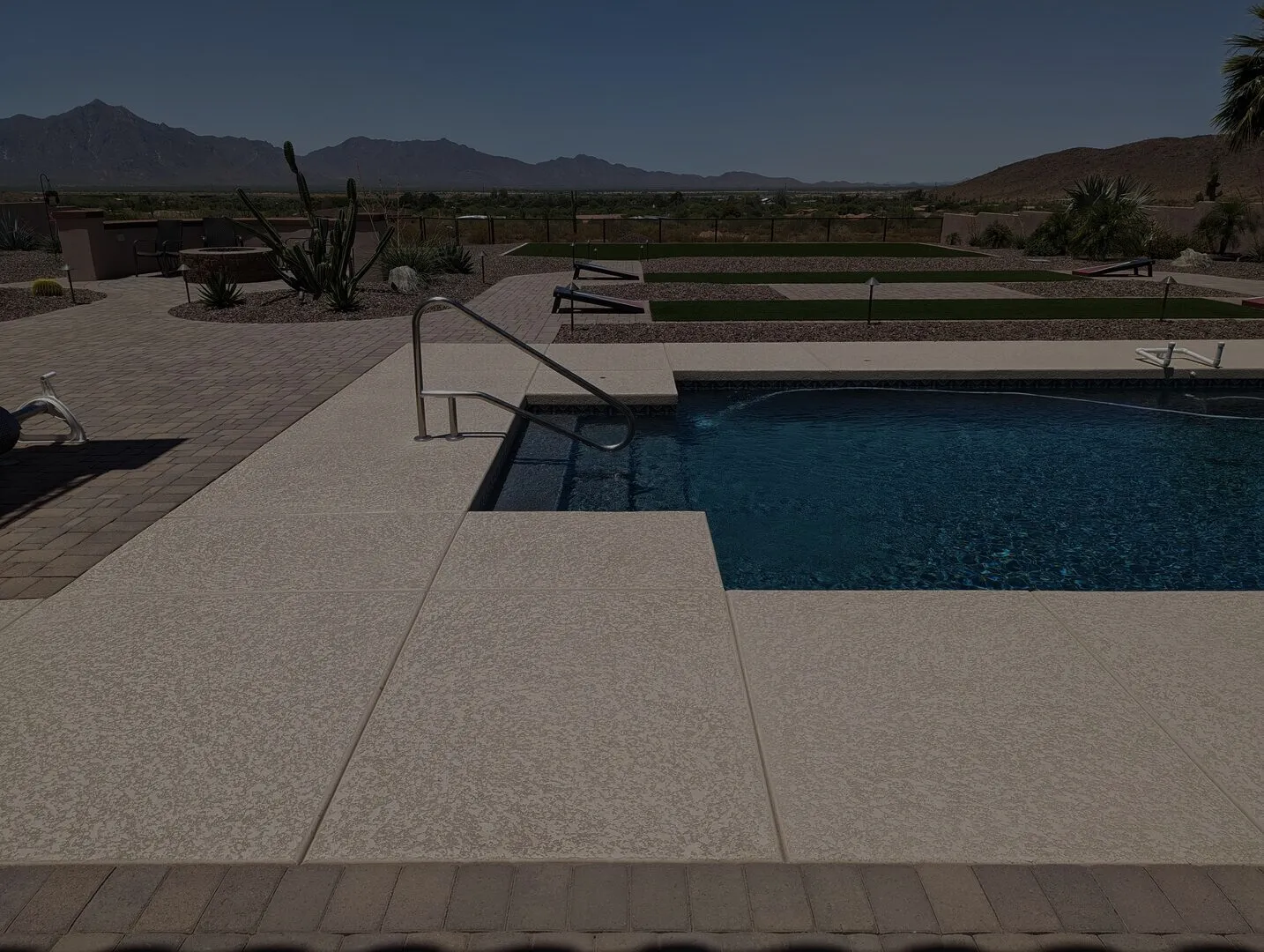



Rubber Coatings for Concrete & Wood: Best Options & Benefits
Concrete and wood are durable, but they’re not invincible. Water, weather, and wear take their toll, leading to cracks, rot, and unsightly damage. Enter rubber coatings—flexible, waterproof, and slip-resistant solutions that shield surfaces from the elements while extending their lifespan. Whether you’re looking to protect a concrete driveway, a wooden deck, or a warehouse floor, the right rubber coating makes all the difference.
In this guide, we’ll break down the best rubber coatings for concrete and wood, exploring their benefits, applications, and longevity. If your project calls for something with more visual variety instead, our decorative concrete overlays are another route worth exploring.
Comparison Table: Rubber Coatings for Concrete & Wood
| Coating Type | Best For | Durability | Waterproof | Slip-Resistant | Flexibility |
| Rubberized Concrete Coating | Driveways, patios, walkways | 10+ years | Yes | Yes | High |
| Rubberized Floor Coating | Indoor floors, garages | 7–12 years | Yes | Yes | Moderate |
| Rubberized Coating for Wood | Decks, porches, furniture | 5–10 years | Yes | Yes | High |
| Acrylic-Rubber Hybrid | Basements, light-use areas | 5–8 years | Water-resistant | Moderate | Moderate |
| Epoxy-Rubber Blend | Industrial floors, warehouses | 10+ years | Yes | Yes | Low |
Why Choose Rubber Coatings for Concrete and Wood?
Rubber coatings offer a unique combination of protection and performance, making them an ideal choice for various surfaces. Here’s why they stand out:
- Waterproof Barrier: Prevents moisture penetration, reducing the risk of mold, mildew, and rot.
- Slip-Resistant Surface: Provides extra grip, even in wet conditions—perfect for patios, pool decks, and garage floors.
- UV and Weather Resistance: Shields surfaces from the sun’s harsh rays, rain, and extreme temperatures.
- Flexibility & Crack Prevention: Expands and contracts with temperature changes, minimizing surface cracking.
- Longevity & Low Maintenance: With proper application, rubber coatings can last over a decade with minimal upkeep.
Best Rubber Coatings for Concrete
1. Rubberized Concrete Coating
This heavy-duty option is designed for driveways, patios, and walkways that endure constant foot and vehicle traffic. It creates a seamless, flexible layer that resists cracking and protects against oil stains, de-icing salts, and UV damage. Many rubberized concrete coatings come with anti-slip additives, ensuring safer surfaces even in wet conditions.
Pros:
✔ Long-lasting (10+ years)
✔ Excellent waterproofing
✔ Slip-resistant
✔ Highly flexible
Cons:
✖ Requires thorough surface preparation
✖ Higher cost than standard sealers
2. Rubberized Floor Coating
Ideal for indoor spaces and garages, rubberized floor coatings offer durability while maintaining some flexibility. They can withstand vehicle weight, dropped tools, and chemical spills, making them perfect for home garages and workshops. Some variations even feature antimicrobial properties, reducing bacteria buildup in enclosed areas. If you’re leaning toward a garage specifically, our epoxy garage floor coatings are a purely epoxy-based alternative worth comparing against this option.
Pros:
✔ Resistant to impacts and chemicals
✔ Long lifespan (7–12 years)
✔ Waterproof and slip-resistant
Cons:
✖ Not as flexible as outdoor rubber coatings
✖ Can be tricky to apply without professional help
3. Acrylic-Rubber Hybrid
For areas like basements and lightly trafficked rooms, an acrylic-rubber hybrid offers a balance between affordability and durability. This coating is water-resistant rather than fully waterproof, making it a good option for interiors that occasionally experience moisture but don’t face heavy exposure to the elements.
Pros:
✔ Easy to apply
✔ Moderate flexibility and slip resistance
✔ Suitable for indoor use
Cons:
✖ Not ideal for heavy-duty applications
✖ Requires reapplication sooner than other rubber coatings
4. Epoxy-Rubber Blend
For industrial floors and warehouses, where durability is critical, epoxy-rubber blends provide high impact resistance. Unlike traditional epoxy, which can become brittle over time, the rubber infusion gives it slight flexibility while maintaining its strength.
Pros:
✔ Extreme durability (10+ years)
✔ Resistant to chemicals, heavy loads, and abrasions
✔ Waterproof and slip-resistant
Cons:
✖ Less flexible than pure rubber coatings
✖ Application can be labor-intensive
Best Rubber Coatings for Wood
1. Rubberized Coating for Wood
If you want to protect your deck, porch, or even wooden furniture, a rubberized coating ensures water resistance while preserving the wood’s structural integrity. It prevents moisture from seeping into cracks, reducing the risk of rot and warping.
Pros:
✔ High flexibility—moves with the wood as it expands and contracts
✔ Waterproof and UV-resistant
✔ Slip-resistant surface
Cons:
✖ Can be difficult to remove if reapplication is needed
✖ May require more than one coat for best results
Frequently Asked Questions
Can you put a rubber coating over concrete?
Yes! Rubber coatings adhere well to concrete surfaces, providing a protective layer against water, stains, and wear. Proper surface preparation—such as cleaning and priming—is crucial for adhesion and long-term performance.
What is the disadvantage of rubberized concrete?
While rubberized coatings are highly durable and flexible, they can be more expensive than standard concrete sealers. Additionally, some require multiple coats and longer curing times to achieve optimal performance.
What is the best protective coating for concrete?
The best choice depends on your needs:
- For driveways and patios: Rubberized concrete coating
- For indoor floors and garages: Rubberized floor coating
- For industrial use: Epoxy-rubber blend
Is rubber paint good for concrete?
Rubber paint provides moderate protection but lacks the durability and flexibility of true rubber coatings. It’s best used for light-use areas rather than high-traffic surfaces.
How long does rubber paint last?
Rubber paint lasts 3–5 years before needing reapplication, whereas professional-grade rubber coatings can last 10+ years with proper maintenance.
What is a rubber coating for concrete?
A rubber coating for concrete is a flexible, protective surface applied over the slab. It adds cushioning, grip, and slip resistance, which makes it a good fit for patios, pool decks, play areas, and other high-traffic surfaces.
Can rubber coatings be used on wood as well as concrete?
Yes. Rubber coatings work on both concrete and wood when the surface is properly prepped. The right prep and product are what keep the finish bonded and durable over time.
Are rubber coatings slip-resistant in the Arizona heat?
Rubber coatings add grip and can feel more comfortable underfoot, which helps around pools and outdoor areas in the Phoenix climate. We help you choose a system suited to your surface and how it is used.
Rubber coatings offer an exceptional blend of protection, longevity, and flexibility for concrete and wood surfaces. Whether you’re safeguarding a driveway, sealing a basement floor, or preserving a wooden deck, there’s a rubberized coating that fits the bill. By choosing the right product and applying it correctly, you’ll enjoy a waterproof, slip-resistant, and long-lasting surface that stands the test of time.
Ready to protect your surface the right way? Browse our coating services or request a free estimate and we’ll help you pick the right rubber coating system for your project.