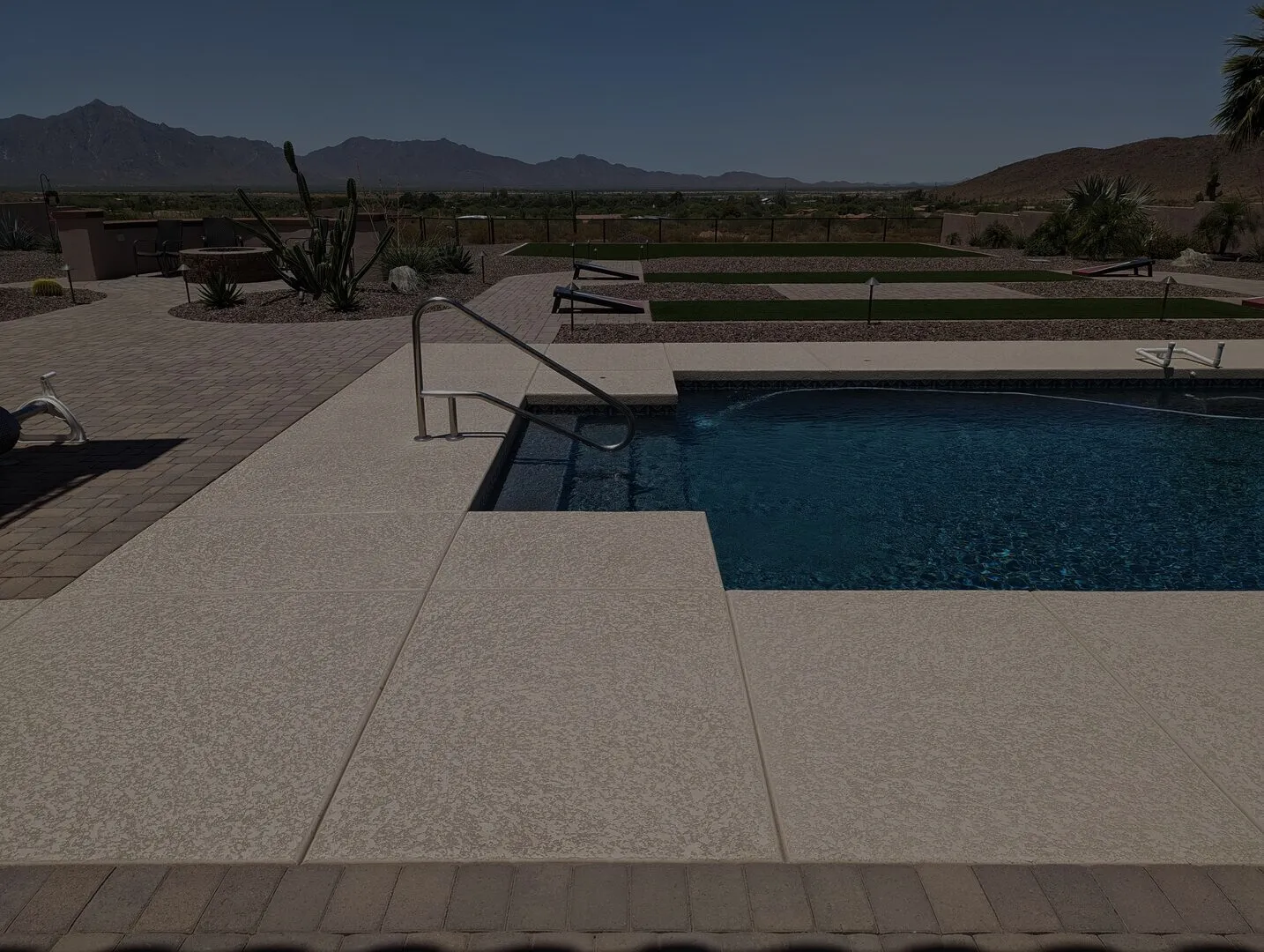




Concrete Epoxy Coating: Durable, Stylish, and Long-Lasting Flooring Solutions
In Arizona, flooring isn’t just about appearances—it’s about performance. The intense heat, heavy dust, and daily wear can break down ordinary flooring systems in record time. That’s why many property owners in Scottsdale and Phoenix are turning to concrete epoxy coatings. These coatings transform plain concrete into surfaces that are tough, attractive, and incredibly long-lasting.
More than just a protective covering, epoxy flooring represents a true upgrade. It seals and fortifies the floor while offering near-endless customization options, making it suitable for garages, restaurants, warehouses, showrooms, and outdoor living spaces. Simply put, concrete epoxy coatings strike the perfect balance between resilience and refined aesthetics.
What Is Concrete Epoxy Coating?
Epoxy is a resin-based system applied in liquid form to a concrete surface. Once mixed with a hardener, the epoxy undergoes a chemical transformation, curing into a rigid thermoset plastic. This process creates a coating that bonds so securely with the substrate that it becomes nearly impossible to separate.
Unlike paints or stains, which merely sit on the surface, epoxy penetrates the pores of concrete. The result is a seamless, impermeable surface capable of resisting water, chemicals, abrasion, and heavy loads. Epoxy’s strength is matched only by its versatility—it can be adapted for industrial factories, polished showrooms, or residential garages with equal success.
How Epoxy Bonds to Concrete
The strength of epoxy lies in preparation and chemistry. Before epoxy can be applied, the surface must be mechanically ground or shot-blasted to open the pores of the concrete. This profiling stage ensures the resin anchors securely instead of peeling or bubbling. Once poured, the epoxy resin and hardener chemically react, forming cross-linked polymers that create exceptional tensile strength.
This chemical adhesion is what sets epoxy apart from surface-level paints or tile adhesives. Properly installed, epoxy essentially becomes part of the concrete itself, enhancing both performance and durability.
Residential vs. Commercial Applications
Epoxy coating shines in both residential and commercial environments, but the priorities often differ:
- Residential Properties: Homeowners frequently choose epoxy for garages, patios, kitchens, and even basements. The benefits go beyond utility—epoxy can mimic marble, stone, or terrazzo, giving homeowners access to luxurious looks at a fraction of the cost.
- Commercial Properties: Businesses rely on epoxy’s resilience. In restaurants, the coating resists grease and food spills while providing slip resistance. In warehouses, epoxy withstands forklifts and pallets without cracking. Retailers appreciate its glossy finish that enhances lighting and elevates customer perception.
This dual functionality has made epoxy one of the most sought-after flooring systems in Arizona.
Benefits of Concrete Epoxy Coating
Durability & Resistance
Durability is epoxy’s calling card. It handles heavy foot traffic, vehicles, dropped tools, and even chemical spills without flinching. This is especially important in Scottsdale and Phoenix, where garages and driveways face hot tires, desert dust, and sudden monsoon downpours.
Epoxy is resistant to:
- Chemical exposure: From motor oil to cleaning solvents.
- Impact: Tools, equipment, and even machinery won’t leave dents.
- Heat: High temperatures that would damage other coatings.
Low Maintenance
Cleaning epoxy floors is refreshingly simple. Dust and debris can be swept away quickly, and most stains wipe up with mild detergent and water. Unlike porous materials that absorb liquids, epoxy’s seamless surface resists absorption, meaning less scrubbing and fewer permanent stains.
In commercial kitchens or industrial facilities, this low-maintenance nature translates to saved labor costs and fewer disruptions. For homeowners, it means less time cleaning and more time enjoying the space.
Style & Design Options
Epoxy isn’t just practical—it’s stylish. With options that include metallic pigments, colored flakes, solid shades, and even quartz blends, epoxy can be tailored to any aesthetic. Want a garage floor that resembles granite? Or a pool deck that sparkles under the Arizona sun? Epoxy delivers.
Design choices include:
- Solid color systems for clean, modern looks.
- Flake epoxy for texture and added slip resistance.
- Metallic epoxy for a luxurious, 3D marbled effect.
- Quartz-infused coatings for durability and shimmer.
No matter the environment, epoxy adapts to complement both form and function.
Concrete Epoxy Coating vs. Other Flooring Options
| Option | Type | Average Price Range (per sq. ft.) | Description / Features |
| Concrete Epoxy Coating | Resin-based | $4 – $8 | Durable, chemical-resistant, customizable with colors & flakes |
| Polyurea Coating | Resin-based | $6 – $12 | Flexible, UV-stable, faster cure time, long-lasting finish |
| Polished Concrete | Mechanical grind | $3 – $6 | Sleek, reflective, low-maintenance, but less stain resistant |
| Garage Tile Flooring | Interlocking tiles | $5 – $10 | Easy DIY, removable, not as durable as epoxy or polyurea |
When comparing these options, epoxy consistently delivers the best balance between cost, customization, and durability. While polyurea offers faster curing and better UV stability, it typically comes at a higher price. Polished concrete looks sharp but lacks chemical resistance. Garage tiles are quick to install but can shift, crack, or trap dirt between seams.
For most homeowners and businesses, epoxy strikes the sweet spot—affordable, attractive, and long-lasting.
Applications for Concrete Epoxy Floors
Garage Floors
Arizona garages endure more than just parked cars. They’re workshops, storage spaces, and sometimes home gyms. Epoxy keeps up with all of it. Hot tires don’t leave marks, oil spills don’t seep in, and dust can be cleaned in minutes. Better yet, the coating adds a finished look that transforms garages from dull and dusty to bright and inviting.
Commercial Spaces
Commercial environments demand flooring that can withstand abuse while still looking polished. Epoxy offers the durability of industrial-grade flooring combined with the sheen of decorative finishes. It is widely used in:
- Retail shops for its glossy, upscale look.
- Restaurants for sanitary, slip-resistant finishes.
- Warehouses for heavy-duty durability.
- Showrooms for reflective surfaces that highlight products.
Outdoor Patios & Pool Decks
The Arizona sun and climate are unforgiving. Outdoor epoxy coatings protect patios and pool decks from UV rays, moisture, and temperature fluctuations. Additives can be included to enhance traction, ensuring safety around pools and outdoor entertaining areas.
Epoxy also helps keep outdoor surfaces cooler underfoot and less susceptible to cracking compared to untreated concrete.
Why Choose Rockstar Coating Pros for Epoxy Coatings in Arizona
When investing in epoxy flooring, the installer matters as much as the product. Rockstar Coating Pros has built its reputation on precision, quality, and results.
- Custom Design Options: Flakes, metallics, and solid finishes that fit your vision.
- Proven Durability: Coatings engineered to outlast Arizona’s extreme climate.
- Expert Installation: Skilled technicians with a flawless, detail-oriented approach.
- Fast Project Turnaround: Efficient processes that minimize downtime.
- Local Expertise: Years of experience working with Arizona homes and businesses.
From residential garages to expansive commercial facilities, Rockstar Coating Pros delivers surfaces that endure—and impress.
Frequently Asked Questions About Concrete Epoxy Coating
What is 4 times stronger than epoxy?
Polyurea coatings are often considered four times stronger than epoxy. Their enhanced flexibility and UV resistance make them ideal for exterior use, though they typically cost more.
How much does it cost to epoxy 500 square feet?
Most epoxy installations run between $4 and $8 per square foot. A 500 sq. ft. area typically costs $2,000–$4,000, depending on prep work and design complexity. Specialty finishes, such as metallics, may increase pricing.
What is the difference between epoxy resin and epoxy coating?
Epoxy resin is the raw material. Epoxy coatings are formulated systems that include resin, hardeners, pigments, and additives designed for flooring. Coatings are engineered for strength, adhesion, and aesthetics.
Is epoxy resin stronger than cement?
Epoxy has higher tensile strength and greater chemical resistance than concrete. However, epoxy is not a standalone material—it is designed to work in conjunction with a concrete base, creating a reinforced composite system.
How do I prepare my floor for epoxy?
Preparation is crucial. Steps typically include:
- Cleaning the surface to remove dirt, grease, and debris.
- Repairing cracks or chips in the concrete.
- Grinding or shot-blasting the surface to open pores.
- Testing and addressing moisture issues.
- Applying primers before laying the epoxy system.
Proper prep ensures maximum adhesion and longevity.
Concrete epoxy coating offers homeowners and businesses in Scottsdale and Phoenix a flooring solution that’s as durable as it is stylish. Its ability to withstand heavy traffic, chemicals, and the Arizona climate makes it an investment that pays dividends for decades. With customizable designs and low-maintenance upkeep, epoxy is one of the most versatile flooring choices available today.
When installed by experts like Rockstar Coating Pros, epoxy transforms ordinary concrete into extraordinary surfaces—ones that protect, perform, and impress.