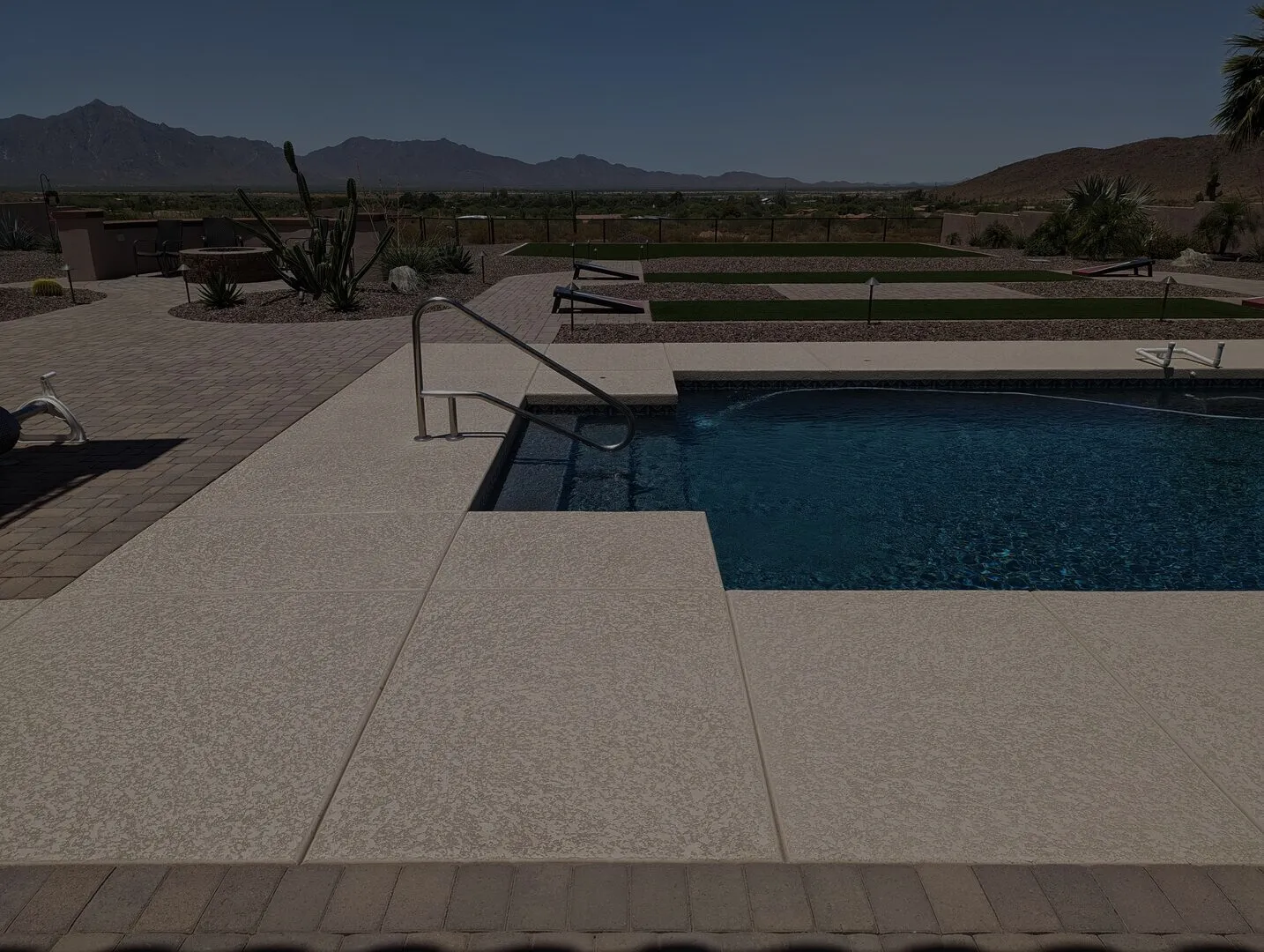




Decorative Concrete Floors: Stylish, Durable & Customizable
Flooring is more than a foundation; it sets the stage for how a space looks, feels, and functions. For homeowners and business owners alike, the ideal floor balances durability with design. Decorative concrete floors are one of the few options that check all the boxes. They transform plain cement into an expressive surface that can resemble stone, tile, or even wood while maintaining unmatched resilience.
This type of flooring has grown in popularity across homes, offices, retail shops, and hospitality spaces because it offers both form and function. With the ability to stain, polish, stamp, or add inlays, concrete becomes a design feature rather than just a construction material. Whether you want a high-gloss showroom finish, rustic outdoor patio appeal, or custom logos embedded in an office lobby, decorative concrete delivers versatility without compromising strength.
Types of Decorative Concrete Flooring
| Type | Best For | Features |
| Stained Decorative Concrete Floor | Homes & basements | Rich, translucent color tones; marbled or earthy effects |
| Polished Decorative Cement Floors | Offices & showrooms | High-gloss, reflective, easy to clean, sleek appearance |
| Stamped Decorative Concrete Floors | Patios & driveways | Imitates natural stone, tile, or brick; textured and durable |
| Decorative Concrete Inlays | Entryways & lobbies | Personalized with logos, borders, or artistic motifs |
Stained Decorative Concrete Floors
Staining concrete creates a vibrant yet natural look by penetrating the surface with translucent pigments. This method produces depth and variation, mimicking marble or natural stone. With colors ranging from warm earth tones to bold modern shades, stained concrete is a popular choice for basements, kitchens, and open-plan living areas.
Polished Decorative Cement Floors
Polishing gives concrete a sleek, reflective finish that works especially well in commercial environments. By grinding and sealing the surface, contractors create a mirror-like effect that not only looks sophisticated but also brightens interiors by reflecting light. Polished floors are incredibly durable and easy to maintain, making them ideal for offices, galleries, and retail showrooms.
Stamped Decorative Concrete Floors
For outdoor applications, stamped decorative concrete is a standout. Before the concrete sets, patterns are imprinted into the surface and then enhanced with stains or pigments. The result can replicate slate, cobblestone, or brick at a fraction of the cost. Patios, walkways, and driveways benefit from this blend of strength and artistry.
Decorative Concrete Inlays
Perhaps the most distinctive option, decorative concrete inlays allow for true customization. Logos, borders, or medallions can be embedded during installation or resurfacing. Popular in lobbies, entryways, and high-end residences, inlays turn flooring into a canvas for artistic expression.
Benefits of Decorative Cement Floors
Versatility
Concrete is one of the most adaptable flooring materials available. Decorative treatments make it suitable for both indoor and outdoor spaces, from cozy basements to expansive patios.
Durability
Concrete is known for longevity. With decorative finishes and proper sealing, floors can last 20 to 30 years or more, even under heavy use.
Low Maintenance
Unlike wood that needs refinishing or carpet that traps stains, decorative concrete is simple to care for. Sweeping, mopping, and occasional resealing are usually all that’s required.
Custom Design Options
From earthy browns to crisp whites, decorative concrete can be colored, polished, or stamped to fit nearly any style. Inlays allow for personalization that few other flooring types can match.
Eco-Friendly Choice
By enhancing existing slabs rather than replacing them with new materials, decorative concrete minimizes waste and reduces environmental impact.
Decorative Concrete Inlays: A Unique Touch
When standard designs aren’t enough, inlays offer the opportunity to make a bold statement. Businesses often use them to embed branding directly into the floor, while homeowners may choose compass roses, borders, or intricate patterns that serve as conversation pieces.
Inlays are also extremely durable because the design becomes part of the concrete itself rather than sitting on the surface. They maintain their appearance for years, even in high-traffic areas. Whether in an elegant lobby or a residential entryway, decorative inlays add refinement and individuality.
Comparing Decorative Concrete to Other Floors
- Tile: Attractive but prone to cracking and requires grout maintenance. Decorative concrete mimics tile’s appearance with fewer long-term issues.
- Wood: Offers warmth but is vulnerable to scratches, moisture, and termites. Wood-look stained concrete provides the same charm with none of the drawbacks.
- Carpet: Comfortable but wears quickly and holds stains. Concrete is harder underfoot but lasts decades and is easy to clean.
- Epoxy: Durable and glossy but often more industrial-looking. Decorative concrete provides more design flexibility for residential settings.
Maintenance Tips
Maintaining decorative concrete is straightforward but essential to ensure longevity.
- Regular Cleaning: Sweep or vacuum dust and dirt to avoid abrasion.
- Mopping: Use a pH-neutral cleaner to keep the surface fresh.
- Spill Management: Wipe spills quickly to prevent staining, especially on lighter finishes.
- Sealing: Reseal every 2–3 years to protect against moisture, scratches, and UV rays.
- Outdoor Care: In freeze-thaw regions, ensure proper sealing to prevent cracking from weather exposure.
Frequently Asked Questions
What are decorative concrete floors?
They are enhanced concrete surfaces treated with stains, polishing, stamping, or inlays to create stylish and durable finishes.
Are decorative cement floors durable?
Yes. When sealed correctly, they can last 20–30 years or more while withstanding heavy foot traffic.
Can I add decorative concrete inlays to existing floors?
Yes. Inlays can often be added during resurfacing or overlay applications, giving existing slabs a completely new look.
How much does decorative concrete flooring cost?
Basic stained floors start at $3–$7 per square foot, while intricate inlays or multi-color designs may cost $10–$20 per square foot. This remains more affordable than natural stone or premium hardwood.
Where can decorative concrete be used?
Almost anywhere—homes, basements, patios, offices, retail shops, and outdoor entertainment areas.
Decorative concrete floors have redefined what cement can be. No longer a purely functional material, concrete becomes a canvas for creativity, offering homeowners and businesses flooring that is stylish, durable, and fully customizable. Whether you choose stained finishes for warmth, polished surfaces for sophistication, stamped patterns for outdoor charm, or inlays for unique artistry, decorative concrete adapts to your vision.
With a lifespan measured in decades and maintenance that requires minimal effort, these floors deliver exceptional long-term value. For anyone seeking a flooring solution that blends strength, sustainability, and style, decorative concrete remains one of the most versatile choices available today.