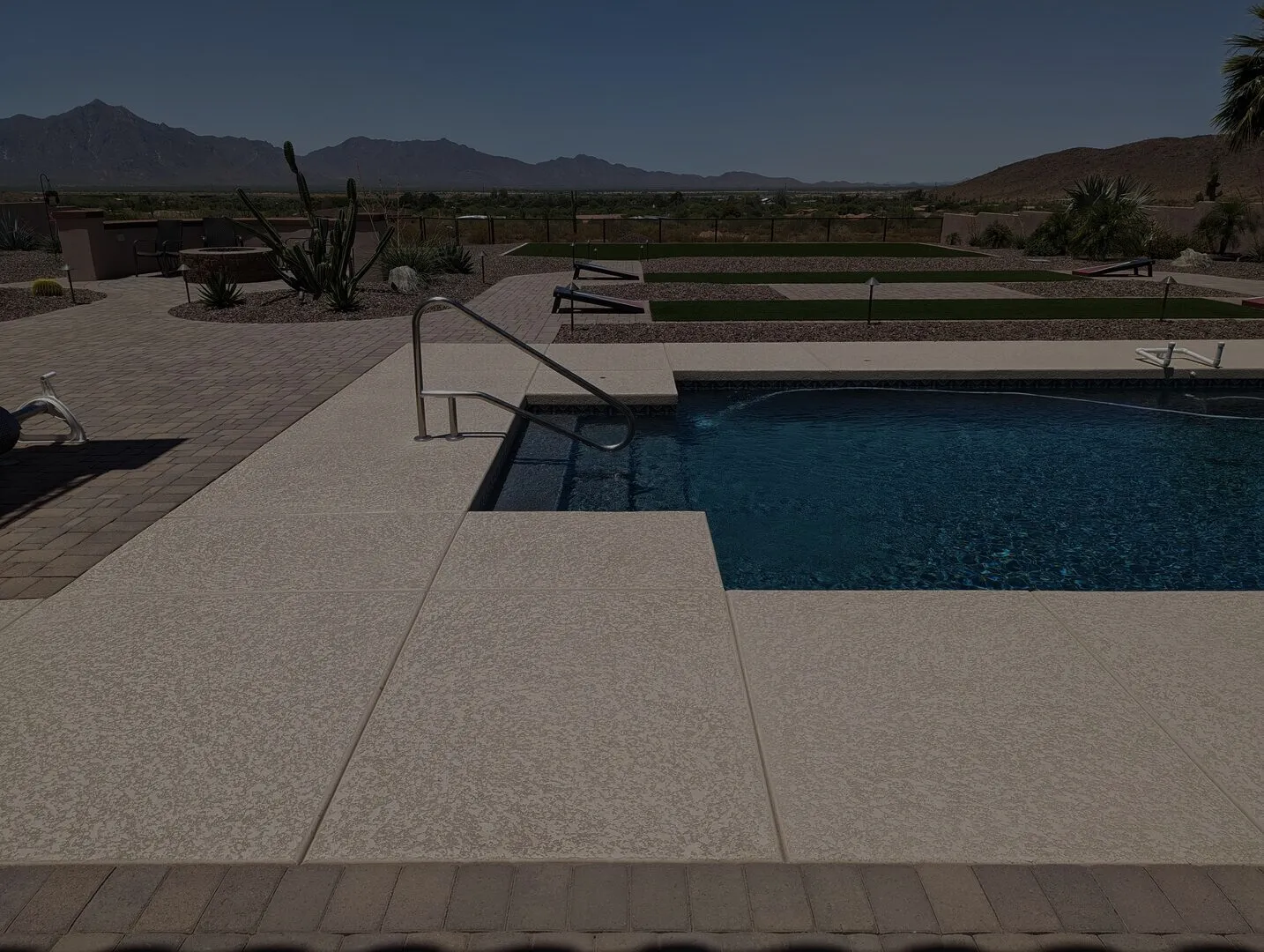




Gray Acid Stained Concrete Floors: Stylish, Durable & Versatile
Concrete has moved far beyond its role as a mere structural material. Today, it is celebrated as a versatile design element in both residential and commercial spaces. Among the many decorative options available, gray acid stained concrete floors have gained enormous popularity for their timeless, neutral aesthetic and enduring performance.
Acid staining transforms ordinary concrete into something extraordinary. Through a chemical reaction with the surface, the stain creates rich tones and natural variations that mimic marble, stone, or even leather. For homeowners and designers, gray remains the go-to color because it blends seamlessly with a wide spectrum of styles—from modern minimalism to rustic charm. Whether you’re building a polished garage, an elegant poolside retreat, or a contemporary interior, acid stained concrete delivers beauty and resilience in equal measure.
Why Choose Gray Acid Stained Concrete Floors?
Timeless Neutral Color
Gray is a design chameleon. It works equally well with industrial lofts, farmhouse-style kitchens, or sleek modern living rooms. Its understated elegance allows it to serve as a subtle backdrop or a focal design element, depending on how it’s paired with other finishes.
Durable Surface
Stained concrete is more than decorative. Once sealed, it resists wear, impacts, and environmental stress. For garage floors, this means no more oil-stained concrete or dusty surfaces. For sidewalks, it means surfaces that endure decades of foot traffic without crumbling.
Low Maintenance
Unlike tile or wood flooring, stained concrete requires little upkeep. A broom, mop, and occasional resealing keep the surface looking fresh. Because the stain penetrates the concrete rather than sitting on top, it doesn’t chip or peel like paints or coatings.
Unique Patterns
Acid stain reacts chemically with the minerals in the concrete. This produces natural marbling, mottling, and tonal variation that can never be duplicated exactly. Each slab becomes a one-of-a-kind surface, giving every project a custom finish that feels organic and timeless.
Stained Concrete Applications
| Application | Benefits |
| Garage Floors | Strong, oil-resistant, and easy to clean. A stained concrete garage floor adds style without sacrificing durability. |
| Pool Areas | Slip-resistant, waterproof, and designed to withstand constant exposure to sun and water. |
| Sidewalks | Boosts curb appeal while holding up to foot traffic and weather fluctuations. |
| Interiors | Brings sophistication indoors, replicating the elegance of natural stone or polished marble. |
Garage Floors
Garages often receive little design attention, yet they are one of the most frequently used spaces in a home. A gray acid stained concrete garage floor combines toughness with a high-end look. It resists oil, salt, and tire marks while offering a polished aesthetic that elevates the entire space.
Pool Areas
Around pools, functionality is as important as beauty. Stained concrete not only delivers a resort-like appearance but also provides slip resistance when sealed with a grit additive. Its water resistance ensures the deck remains attractive and safe even after years of exposure.
Sidewalks
A sidewalk is often the first thing guests or clients see. Replacing plain gray slabs with stained concrete enhances curb appeal and sets the tone for the property. Because acid stain penetrates deeply, it maintains its appearance through rain, snow, and sun.
Interiors
Inside the home, acid stained floors rival natural stone or hardwood for elegance. Living rooms, basements, and kitchens benefit from a flooring option that is stylish, durable, and hypoallergenic. High-gloss finishes brighten interiors, while matte options create understated sophistication.
White and Gray Stained Concrete Options
While gray stained concrete floors dominate modern design, white stained concrete is gaining popularity among homeowners seeking a brighter, more minimalist aesthetic. White floors reflect more light, creating airy interiors that feel expansive.
Many designers combine gray and white stains to produce contrast and depth. For example, alternating shades in large open spaces can help define zones without the need for walls or rugs. This versatility allows concrete to rival more traditional luxury finishes at a fraction of the cost.
Inspiration: Photos of Stained Concrete
Seeing examples of stained concrete floors often seals the deal for homeowners considering this option. Photographs showcase how acid staining can create dramatically different looks:
- High-gloss gray interiors that mirror natural stone and add sophistication.
- Textured outdoor patios where mottled gray complements greenery and landscaping.
- Poolside decks with luminous gray tones that shimmer in the sunlight.
- Industrial-style lofts where concrete floors echo steel, glass, and exposed brick.
The beauty of acid stained concrete lies in its adaptability. Every project produces a unique finish, ensuring your floor is as individual as your space.
Advantages Over Other Flooring Options
Versus Paint or Epoxy
Unlike paint, which sits on the surface, acid stain chemically bonds with the concrete, producing permanent coloration. Unlike epoxy, it won’t peel or delaminate, although epoxy may still be used as a protective topcoat if desired.
Versus Tile or Wood
Tile and wood floors require grout or joints, which can collect dirt and moisture. Stained concrete is seamless, hygienic, and more resistant to moisture intrusion. Additionally, its durability surpasses that of softer woods and grout-based systems.
Versus Carpet
Carpet wears quickly, stains easily, and requires frequent replacement. Stained concrete offers a lifetime of use with minimal upkeep, making it a cost-effective long-term solution.
Frequently Asked Questions
What makes acid stained concrete different from paint?
Acid stain penetrates into the concrete and chemically alters its surface, creating variegated color tones. Paint simply coats the top, leaving it prone to peeling, chipping, and wear.
Can I use acid stain on existing concrete?
Yes. Most existing slabs can be acid stained, provided they are structurally sound and free of prior coatings or sealers. Proper surface preparation is essential for consistent results.
Are gray acid stained concrete floors slippery?
Not inherently. However, in outdoor areas or around pools, adding a sealer with grit improves traction and minimizes slip risks.
How long do stained concrete floors last?
With sealing and basic care, stained concrete can last several decades. Its longevity surpasses many other decorative flooring systems.
Can I combine gray and white stained concrete?
Absolutely. Many designers mix multiple stains to achieve layered, dynamic effects. This creates depth and contrast, whether indoors or outdoors.
Gray acid stained concrete floors represent a perfect blend of style, strength, and sustainability. Their neutral palette works across design genres, while their durability makes them practical for high-use spaces like garages, sidewalks, and pool decks. Indoors, they rival stone or marble at a fraction of the price.
When paired with white stained accents or used as a stand-alone finish, gray stained concrete offers a timeless design choice that elevates any space. With minimal maintenance, unmatched versatility, and lasting performance, acid stained concrete continues to be one of the most desirable flooring solutions for modern homes and commercial spaces.