



How Much Is Epoxy Flooring? Cost, Types & Benefits
Understanding Epoxy Flooring Costs
Epoxy flooring has emerged as a favored choice for homeowners, business owners, and industrial operators alike. Its blend of resilience, elegance, and functionality makes it an investment rather than an expense. But how much is epoxy flooring really? Prices vary considerably depending on the type of system, the complexity of the installation, and the space in question.
On average, epoxy flooring ranges between $3 and $15 per square foot. Residential garages and basements often fall on the lower end of the spectrum, while high-end decorative finishes or heavy-duty industrial coatings command higher rates. The cost covers more than just materials—it includes expert surface preparation, primer application, epoxy layering, and a protective topcoat that ensures longevity.
Comparison Table: Epoxy Flooring Options
|
Service / Type |
Average Cost per Sq. Ft. |
Best For |
Features & Benefits |
|
Standard Epoxy Flooring |
$3 – $7 |
Homes, garages, basements |
Durable, glossy, customizable with colors |
|
Epoxy Resin Flooring |
$5 – $10 |
Kitchens, bathrooms, commercial |
Seamless, hygienic, stain & chemical resistant |
|
Decorative Resin Floors |
$6 – $12 |
Living areas, showrooms |
Metallics, flakes, and custom design options |
|
Industrial Epoxy Flooring |
$5 – $15 |
Warehouses, factories, heavy-duty |
High strength, chemical & abrasion resistant |
|
Anti-Slip Epoxy Coating |
$4 – $9 |
Poolsides, workshops, wet areas |
Safety-focused with added traction |
Standard Epoxy Flooring
Standard epoxy flooring is the most common option, often used in garages, basements, and workshops. This system offers a hard, glossy surface that not only withstands daily wear but also enhances the appearance of otherwise plain concrete slabs. It resists oil stains, tire marks, and minor impacts, making it a cost-effective solution for households.
Its customization potential is extensive. From subtle solid hues to vibrant shades, standard epoxy adapts to nearly any aesthetic. Homeowners who value both durability and visual appeal find this option particularly attractive.
Epoxy Resin Flooring
Epoxy resin flooring elevates the basic system with enhanced hygiene and seamless integration. Often installed in kitchens, bathrooms, and commercial interiors, resin floors eliminate grout lines and cracks where dirt typically collects. The result is a surface that is easy to sanitize and resistant to chemicals, stains, and moisture.
In spaces where cleanliness and resilience matter—such as healthcare clinics or gourmet kitchens—epoxy resin flooring provides an excellent solution. Its smooth finish creates a sleek, modern aesthetic while maintaining robustness under heavy use.
Decorative Resin Floors
For those who seek more than function, decorative resin floors provide artistry underfoot. These systems incorporate metallic pigments, colored flakes, or intricate patterns that transform flooring into a design statement. From shimmering metallic swirls in luxury showrooms to natural stone-like textures in living rooms, decorative epoxy offers limitless creativity.
The additional design complexity raises the price, but the payoff is a floor that blends practicality with sophistication. This type of flooring proves especially popular in residential interiors where homeowners want to merge performance with flair.
Industrial Epoxy Flooring
Industrial epoxy flooring is engineered for endurance. Warehouses, factories, and heavy-duty production facilities demand surfaces that tolerate forklifts, constant foot traffic, harsh chemicals, and occasional impacts. These floors are fortified with specialized aggregates and thicker epoxy coatings to deliver exceptional load-bearing capacity.
Beyond strength, industrial epoxy enhances safety. Many formulations include high-visibility markings, chemical resistance, and anti-slip properties—vital for maintaining productivity and protecting workers in demanding environments.
Anti-Slip Epoxy Coating
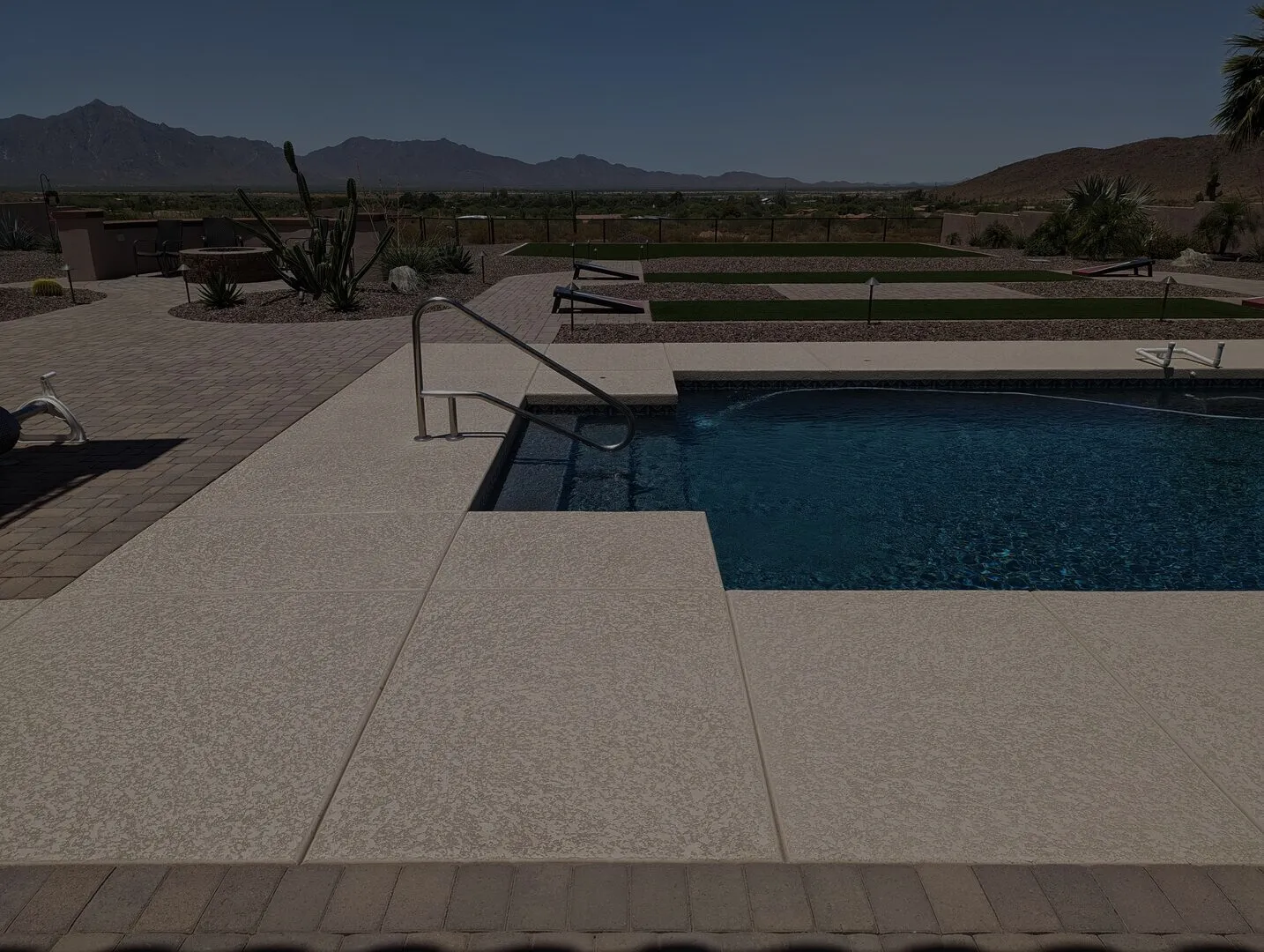
Safety-conscious areas such as pool decks, workshops, and wet industrial spaces benefit from anti-slip epoxy coatings. These systems integrate textured aggregates or slip-resistant additives that enhance traction, reducing the risk of accidents.
The coating does not sacrifice aesthetics for safety. Homeowners and business operators can still select from a wide palette of colors and finishes while ensuring surfaces remain practical and secure.
Benefits of Epoxy & Resin Floors
- Cost-Effective: Epoxy flooring lasts for years, minimizing the need for frequent replacement or repair.
- Durability: Its robust composition withstands traffic, machinery, impacts, and chemicals.
- Customizable: Endless design options—colors, metallic pigments, flakes, and finishes—fit every style.
- Low Maintenance: Cleaning typically requires little more than sweeping and occasional mopping.
- Hygienic & Safe: The seamless surface resists mold, bacteria, and dust buildup, ideal for health-sensitive environments.
Why Choose Professional Epoxy Flooring Companies?
While DIY kits tempt many, the difference in outcome between amateur and professional installations is significant. Professional epoxy flooring companies provide:
- Premium materials: Access to advanced resin systems not found in retail stores.
- Expert installation: Proper surface preparation and layering techniques for a flawless finish.
- Tailored solutions: Systems designed for residential, commercial, or industrial performance.
- Warranties: Added assurance that your investment is protected for years.
- Efficiency: Faster project completion with minimal disruption to your home or business.
Engaging experts ensures that epoxy flooring not only looks outstanding but also endures the test of time.
Frequently Asked Questions
How much is epoxy flooring per square foot?
Epoxy flooring typically costs between $3 and $12 per square foot. The final figure depends on the type of epoxy, design complexity, and overall project scale.
Are resin floors the same as epoxy floors?
Epoxy is one type of resin flooring. Other systems—like polyurethane or acrylic—also fall under the resin category, but epoxy remains the most widely used for its strength and versatility.
What is the difference between residential and industrial epoxy flooring?
Residential epoxy prioritizes aesthetics and light to moderate durability. Industrial epoxy flooring, however, incorporates thicker layers and reinforced aggregates to endure machinery, chemicals, and high traffic.
How long does epoxy flooring last?
When installed properly and maintained well, epoxy floors can endure 10 to 20 years, sometimes longer in residential applications and slightly less in heavily used industrial settings.
Can I install epoxy flooring myself?
DIY epoxy kits exist, but professional installation ensures proper surface grinding, crack repair, and correct curing. Without these steps, peeling and premature wear often occur. For longevity, entrusting professionals is recommended.