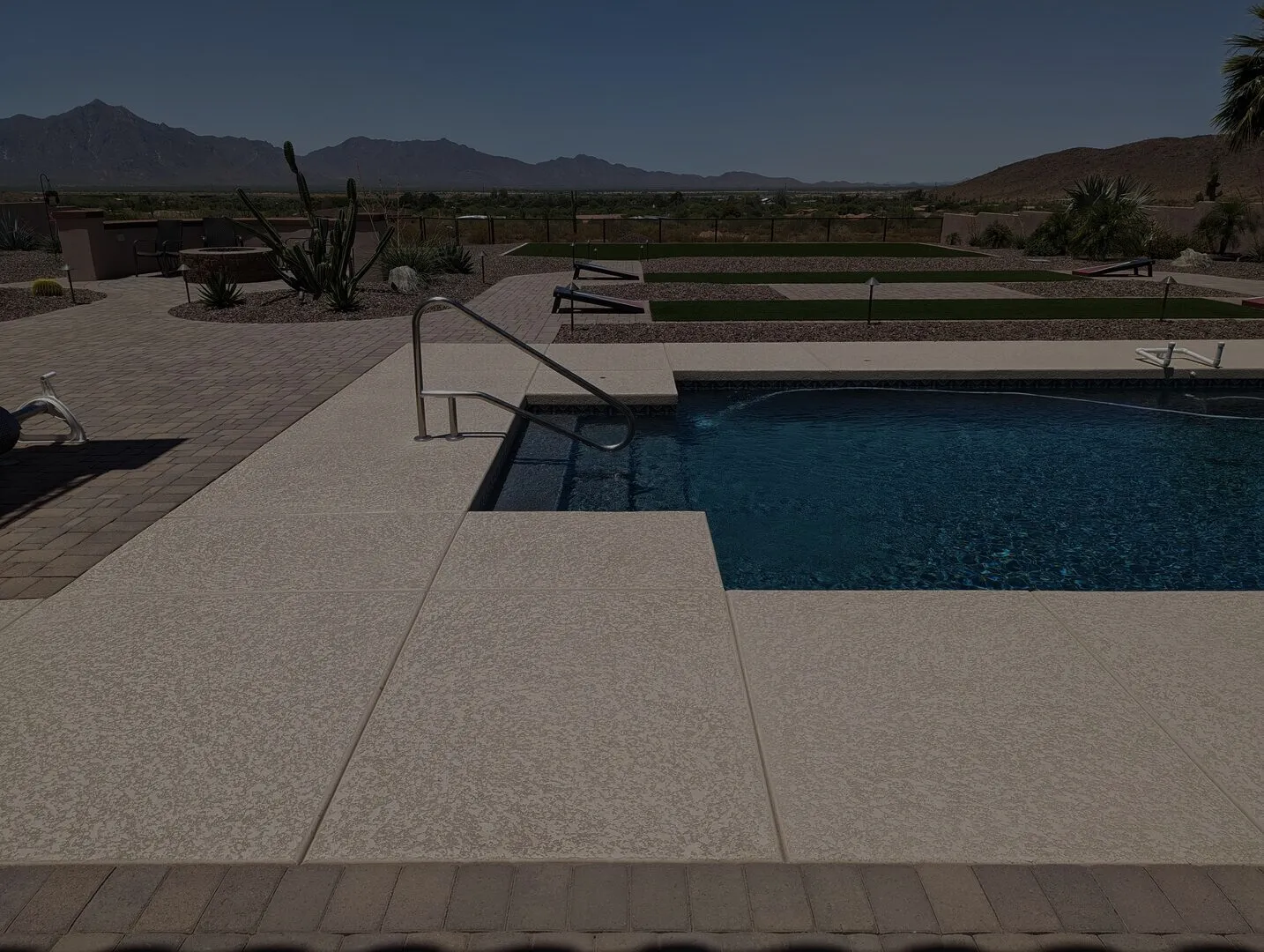




Stamped Concrete Overlays: A Stylish Upgrade Over Existing Surfaces
What Is a Stamped Concrete Overlay?
A stamped concrete overlay is a polymer-modified resurfacing solution that adds texture, color, and character to dull or damaged concrete. Rather than demolishing an entire slab, a thin layer of specially formulated concrete is applied directly over the existing surface. Once poured, it’s stamped with decorative patterns that mimic natural materials like stone, tile, slate, wood, and even brick.
The magic of stamped overlay concrete lies in its ability to rejuvenate older patios, pool decks, driveways, and walkways without the hassle of starting from scratch. This technique offers homeowners and commercial property owners a more cost-effective way to achieve high-end finishes with less downtime and mess.
Stamped concrete overlays can be used both indoors and outdoors, adding value, aesthetic appeal, and longevity to your surfaces. Whether you’re restoring a faded patio or refreshing a bland front entrance, a stampable concrete overlay delivers transformative results.
Can You Install Stamped Concrete Over Existing Concrete?
Yes, absolutely. You can apply stamped concrete over existing concrete as long as the underlying slab is structurally sound. This is one of the key reasons stamped overlays are so popular—they eliminate the need for demolition and repouring, which saves both time and money.
The process involves cleaning and prepping the surface, repairing minor cracks, and applying a thin but durable layer of stampable overlay material. This material is then imprinted with texture mats that simulate your desired look—whether it’s the rugged feel of flagstone, the elegance of ashlar slate, or the charm of weathered wood planks.
Key Benefits:
- Minimizes construction mess and avoids jackhammering or hauling debris
- Extends the life of older concrete by protecting it under a new layer
- Improves curb appeal with modern, eye-catching finishes
- Customizable with integral colors, stains, and texture patterns
- Increases surface functionality with anti-slip additives and sealers
Homeowners often use concrete stamp overlay solutions to fix cosmetic flaws or upgrade outdated finishes without exceeding their remodeling budgets.
How the Concrete Stamp Overlay Process Works
Installing a concrete stamp overlay involves careful preparation and precision work to ensure durability and adhesion. Here’s how the process unfolds step by step:
Step-by-Step Overview:
- Surface Preparation
The existing surface is cleaned using power washers or grinders to remove dirt, oils, sealers, or other contaminants. This ensures strong bonding between the overlay and the concrete base. - Crack Repair
Minor cracks are patched using flexible repair materials or polymer-modified patch mixes. Uneven sections may also be leveled to ensure a uniform application. - Primer Application
Some systems require a bonding primer before the overlay mix is troweled or sprayed onto the surface. - Overlay Application
A layer of stampable overlay (usually ¼” to ¾” thick) is applied using a gauge rake, trowel, or sprayer, depending on the manufacturer’s specifications and the surface area. - Stamping
While the overlay is still in its plastic stage, texture mats or stamping tools are pressed into the surface to imprint the chosen design. - Coloring
Integral pigments can be mixed into the overlay for base color. Additional topical stains or antiquing agents enhance depth, realism, and contrast. - Sealing
Once dry, a high-performance sealer is applied to lock in color, protect against UV rays, moisture, stains, and improve wear resistance.
Popular pattern options include:
- Ashlar slate
- Cobblestone
- Herringbone brick
- European fan
- Wood plank
- Seamless stone
Each stamped overlay becomes a one-of-a-kind surface with its own variations and textures.
Where You Can Use Stamped Overlays
Stamped overlays are incredibly versatile. From commercial walkways to backyard patios, they can transform nearly any concrete space. Here’s a breakdown of where stamped overlays work best:
| Area | Application |
| Driveways | Durable overlays with slate or stone patterns to boost curb appeal and resist tire marks |
| Patios | Natural stone or wood-plank finishes for outdoor ambiance |
| Walkways | Brick and cobblestone textures for charm and traction |
| Pool Decks | Slip-resistant overlays with cool tones for barefoot safety |
| Entryways | Elegant finishes with custom borders and company logos |
| Courtyards | Decorative patterns that elevate public and private outdoor spaces |
Even indoor spaces like basements, hallways, or showrooms can benefit from stamped overlay concrete, especially when durability and low maintenance are top priorities.
How Much Does a Stamped Overlay Cost?
The cost of a stampable concrete overlay depends on surface condition, square footage, complexity of design, and materials used. Here’s a general pricing guide:
| Overlay Type | Average Cost per Sq. Ft. |
| Basic (single color, basic pattern) | $7 – $10 |
| Mid-range (multiple colors, moderate texture) | $10 – $14 |
| High-end (custom stains, saw cuts, complex patterns) | $14 – $20+ |
Additional Cost Factors:
- Surface repairs like crack filling or leveling can increase labor time and materials.
- Borders, logos, or stencils add artistic flair but require more labor and precision.
- Sealer upgrades, such as anti-slip or high-gloss finishes, can add 10–15% to the final price.
- Location & access, particularly for tight or irregular areas, may influence project duration and cost.
For example, resurfacing a 400-square-foot patio with a mid-range stamped overlay typically costs between $4,000 and $5,600, depending on chosen enhancements and surface prep needs.
Despite the investment, stamped overlays remain a fraction of the cost of full slab replacement, especially when demolition and debris removal are factored in.
Maintenance and Longevity
A well-installed stamped overlay is designed to endure. With simple upkeep, your decorative concrete surface can last 10 to 20+ years.
Tips for Maintaining Your Stamped Overlay:
- Reseal every 2–3 years to preserve color, resist moisture, and protect against fading or UV damage.
- Clean regularly with a pressure washer or soft-bristle broom and mild detergent.
- Avoid harsh chemicals or de-icing salts that can degrade sealers or surfaces, especially in colder climates.
- Touch up damaged spots early, especially if chips or cracks appear. Timely repairs prevent deeper structural issues.
For commercial spaces or high-traffic areas, consider a slip-resistant sealer or matte finish to ensure both safety and longevity.
Is a Stamped Overlay Right for You?
If your concrete is structurally intact but visually outdated or flawed, a stamped concrete overlay is a smart, stylish upgrade. It offers the luxurious appeal of stone, tile, or wood—without the cost, time, or disruption of a full replacement.
Ideal Candidates for Stamped Overlays:
- Homeowners wanting to refresh their patio or driveway
- Businesses needing durable, low-maintenance commercial flooring
- Real estate investors seeking high ROI property improvements
- Designers aiming for a rustic, industrial, or elegant surface aesthetic
The flexibility in design, speed of installation, and long-term durability make it a go-to option for modernizing concrete spaces on nearly any budget.
FAQs
What is a stamped concrete overlay?
A stamped concrete overlay is a decorative resurfacing technique where a polymer-modified concrete mix is applied over existing concrete and stamped with patterns to mimic stone, brick, or wood.
How long does stamped concrete overlay last?
With proper installation and maintenance, stamped overlays can last 10 to 20+ years. Resealing every few years extends their life and appearance.
Can you put stamped concrete over concrete?
Yes, as long as the existing concrete is stable and free of major damage. Overlays adhere well with proper surface preparation.
How much does a stamped concrete overlay cost?
Typical costs range from $7 to $20+ per square foot depending on design complexity, coloring, and prep work required.
Is concrete overlay a good idea?
Absolutely—concrete overlays provide a cost-effective way to revitalize worn or outdated surfaces without the hassle of full slab replacement. They’re customizable, durable, and ideal for many residential and commercial applications.