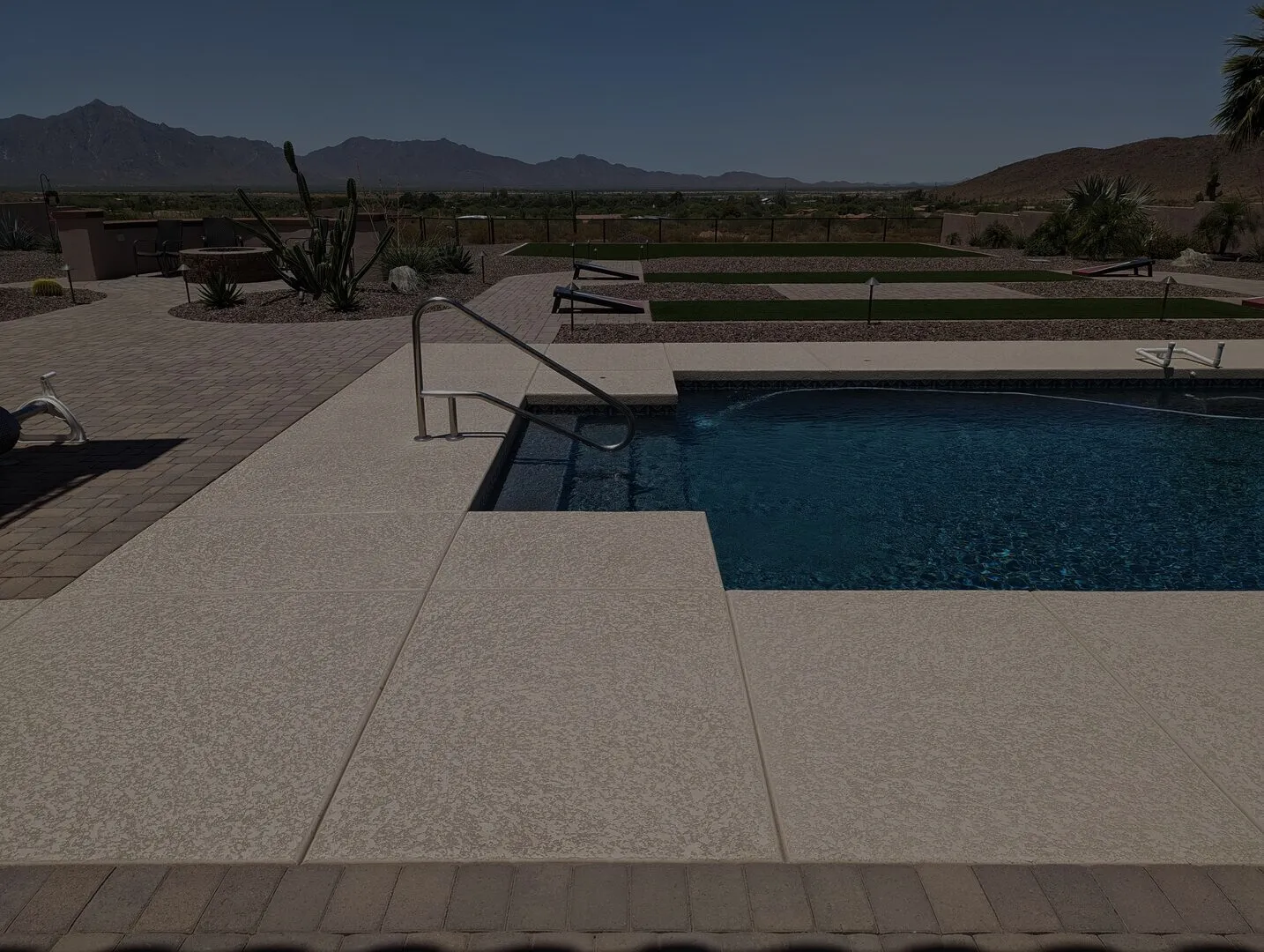




The Complete Guide to Liquid Rubber Coating for Floors, Decks, and Pools
What Is Liquid Rubber Coating?
Liquid rubber coating is a flexible, waterproof, and protective membrane applied to various surfaces to create a seamless barrier against water, chemicals, and UV damage. Made from synthetic elastomeric materials, it behaves like liquid plastic during application but cures into a durable rubber-like surface.
Available in brush-on, roll-on, or spray-on formulations, liquid rubber is designed to stick to a wide variety of substrates including concrete, metal, wood, and stone. Its ability to stretch and contract with temperature changes makes it ideal for surfaces exposed to fluctuating climates and moisture levels.
This modern coating technology is revolutionizing waterproofing and surface protection in both residential and commercial applications.
Benefits of Liquid Rubber Coatings
Liquid rubber coatings stand out due to their adaptability and resilience. Here are the key benefits:
- Seamless Waterproof Membrane
Unlike rolled roofing or paint, liquid rubber forms a single, unbroken surface. It self-levels and seals even minor cracks or imperfections. - UV-Resistant and Weatherproof
Whether under scorching sun or driving rain, liquid rubber resists degradation and color fading. It remains pliable in extreme temperatures, which prevents cracking and blistering. - Multi-Surface Compatibility
It bonds exceptionally well to concrete, wood, brick, metal, foam, and even certain plastics—making it versatile for varied use cases. - Eco-Friendly Options
Many formulations are low-VOC and solvent-free, making them safer for both the environment and installers. - Flexible and Crack-Resistant
Its elasticity allows it to expand and contract with the substrate. This flexibility is crucial for decks and garage floors that undergo seasonal shifts.
From rooftops to basements, liquid rubber creates a protective skin that’s both robust and resilient.
Liquid Rubber Floor Coating
Liquid rubber floor coating is particularly effective for spaces that face constant moisture, foot traffic, or mild chemical exposure.
- Indoor and Outdoor Use
Apply it to interior concrete floors (such as basements) or exterior patios and walkways. It shields against water penetration and extends the life of the concrete underneath. - Non-Slip Finish Options
Add grit or sand to the coating to create a non-slip surface—especially important for areas exposed to moisture. - Commercial Applications
In warehouses and workshops, liquid rubber performs well as a resilient, low-maintenance floor surface. Its chemical resistance and ease of cleaning make it a practical alternative to epoxy or tile.
As a flooring solution, it excels where durability meets flexibility.
Liquid Rubber Garage Floor Coating
For garages, liquid rubber garage floor coating provides a highly durable surface capable of withstanding heavy use:
- Oil and Chemical Resistance
Spills from brake fluid, gasoline, or cleaning solvents won’t degrade a properly cured rubber surface. - Tire and Impact Protection
Repeated stress from vehicles and dropped tools won’t crack or chip it the way epoxy or paint sometimes can. - Easy Maintenance
A simple rinse or mop keeps the surface clean. There are no seams or grout lines where debris can collect.
Unlike brittle coatings, liquid rubber remains elastic, preventing delamination even under daily wear.
Liquid Rubber Deck Coatings
Decks take a beating from the sun, rain, and foot traffic. Liquid deck coating options ensure they remain structurally sound and aesthetically pleasing.
Types of Liquid Rubber Deck Coatings
- Polyurethane Deck Coating
Known for its superior UV resistance and flexibility, this option is great for flat roofs, decks, and balconies. It resists ponding water and doesn’t chalk under the sun. - Rubberized Deck Coating
Ideal for wood decks, it seals out moisture and prevents rot. It can be tinted or painted to match your existing exterior.
Key Advantages
- Stops Water Damage
It forms a watertight barrier that prevents water infiltration into wood or concrete surfaces. - Customizable Appearance
Choose from various colors and sheens to suit your aesthetic. It works well with textured finishes for added safety.
Whether your deck is wood, concrete, or metal, liquid rubber offers protection and peace of mind.
Liquid Rubber Pool Coating
Liquid rubber pool coating is gaining popularity as a more accessible, durable option for resurfacing both pool interiors and the surrounding decks.
- Watertight Seal
Perfect for sealing concrete pools, fountains, or hot tubs. It prevents leaks and stops moisture migration that can lead to cracking or structural damage. - Chemical Resistance
It resists chlorine, salt, and UV rays better than many traditional finishes. - Simpler Application
Spray or roll it on with less labor than retiling or plastering. Cure time is usually faster, and it doesn’t require as much specialized equipment.
With liquid rubber, maintaining a waterproof, slip-resistant pool area becomes faster, safer, and more affordable.
Application Tips & Considerations
Applying liquid rubber isn’t difficult, but proper preparation and tools are crucial:
- Clean and Dry Surface
Remove dirt, oils, and old coatings. Surface must be dry to ensure adhesion. - Priming May Be Necessary
Some surfaces require a primer to improve bonding, especially metal or older concrete. - Apply in Multiple Coats
Most applications require 2–3 coats for full coverage and durability. Allow 24–48 hours drying time between coats. - Use Proper Tools
Recommended tools include rollers, squeegees, and airless sprayers. This ensures even distribution and efficient coverage. - Check Weather Conditions
Outdoor applications require dry, mild weather during application and curing.
Following manufacturer recommendations will extend the lifespan of your coating and avoid common pitfalls.
When to Choose Liquid Rubber Over Other Coatings
Liquid rubber offers a unique mix of benefits that outperform traditional paint or even epoxy in certain scenarios. Here’s a quick comparison:
| Use Case | Liquid Rubber Coating | Epoxy Coating | Paint |
| Waterproofing | ✅ Excellent | ⚠️ Requires sealer | ❌ Poor |
| Decks | ✅ Flexible, UV safe | ⚠️ Can crack | ⚠️ Short lifespan |
| Garages | ✅ Durable, elastic | ✅ High durability | ❌ Not impact-safe |
| Pools | ✅ Chlorine-resistant | ⚠️ Costly prep | ❌ Not suitable |
If you need flexibility, waterproofing, and ease of use, liquid rubber coating is an excellent option. Epoxy excels in durability and shine but requires more intensive prep and often comes at a higher cost. Paint, while affordable, lacks the resilience needed for long-term outdoor or high-moisture environments.
Liquid rubber coatings have evolved into one of the most versatile and reliable protective solutions available. Whether you’re coating a floor, waterproofing a deck, or sealing a pool, they offer unmatched flexibility, durability, and weather resistance.
Their seamless nature, ability to bond with diverse materials, and eco-friendly formulations make them suitable for homeowners and professionals alike. With proper application and maintenance, these coatings can last over a decade—protecting your surfaces from moisture, chemicals, and the wear of everyday use.
From liquid rubber garage floor coating to liquid rubber polyurethane deck coating and rubberized pool applications, there’s a formula tailored to every project.
FAQs
What is liquid rubber used for?
It’s used to create waterproof, flexible coatings on surfaces like roofs, decks, garage floors, pools, and foundations.
What is the purpose of rubber coating?
Rubber coatings protect surfaces from water, UV rays, chemicals, and physical damage. They also enhance longevity and improve safety with anti-slip features.
What is rubber sealant used for?
Rubber sealant is applied to cracks or seams to prevent water infiltration. It’s commonly used in roofing, plumbing, and foundational repairs.
Is liquid rubber roof coating good?
Yes. It’s excellent for flat or low-slope roofs, providing a seamless membrane that reflects UV and resists ponding water.
How many years does liquid rubber last?
With correct application and maintenance, liquid rubber can last 10–15 years or more, depending on exposure and foot traffic.