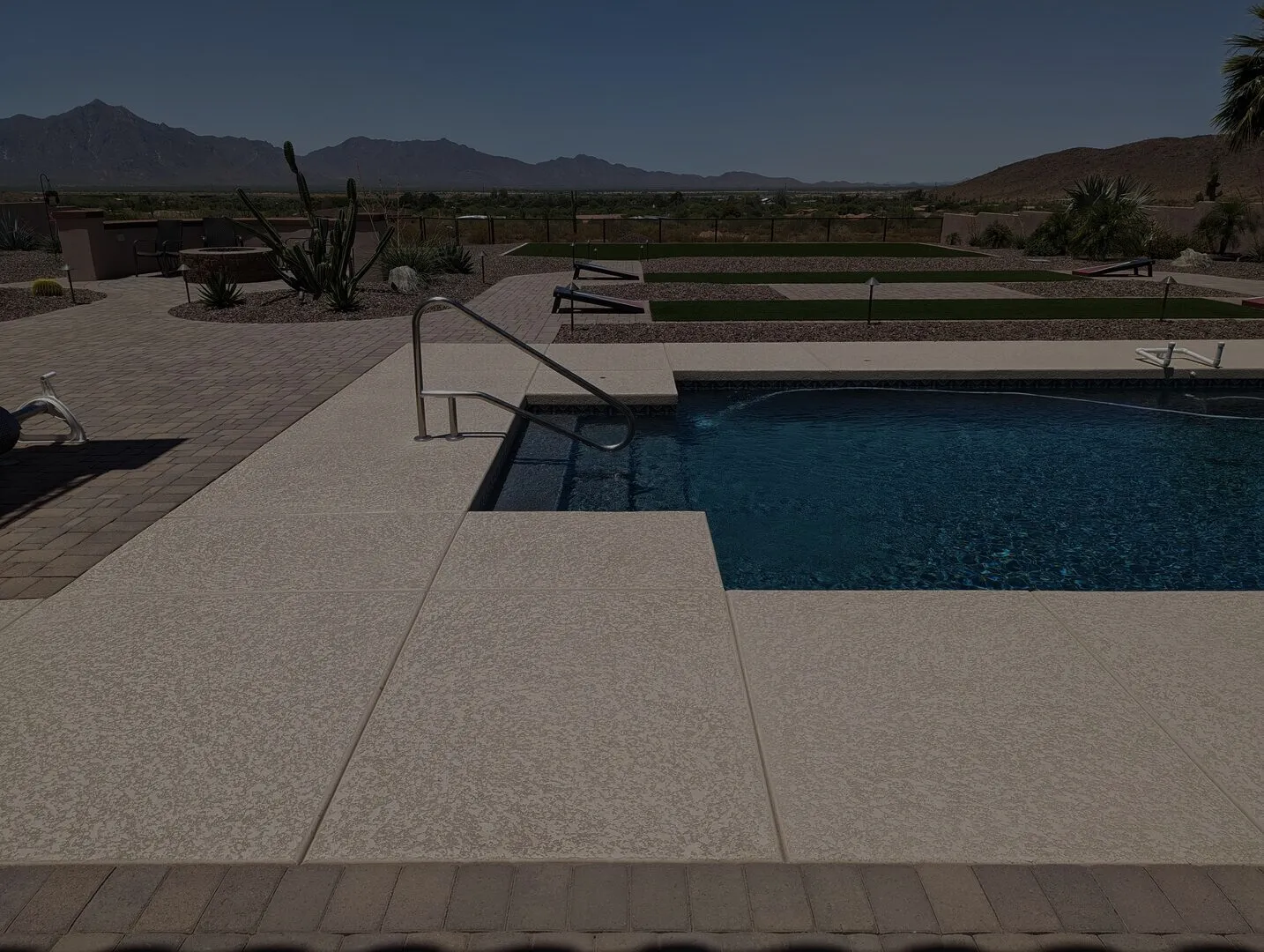




What Is a Concrete Overlay?
A concrete overlay is a thin layer of cement-based material applied over existing concrete surfaces to restore, enhance, or protect them. Whether you’re dealing with an aged, cracked, or outdated concrete surface, an overlay offers a cost-effective and aesthetically pleasing way to refresh patios, driveways, pool decks, and interior floors—without the need for full replacement.
These overlays serve both functional and decorative purposes, allowing property owners to repair damage, improve durability, and create stunning finishes that mimic stone, brick, wood, or tile. Whether it’s a thin concrete overlay for a sleek, modern look or a stampable overlay for textured patterns, overlays provide a versatile and long-lasting solution.
Types of Concrete Overlays
Concrete overlays come in different thicknesses, materials, and application methods, each serving a specific purpose:
🔹 Thin Concrete Overlay
✔ Thickness: 1/16″ to 3/8″
✔ Best For: Minor repairs, resurfacing, and decorative finishes
✔ Features: Lightweight, quick to install, ideal for refurbishing indoor and outdoor surfaces
🔹 Stampable Overlay
✔ Thickness: 1/4″ to 3/4″
✔ Best For: Creating stamped textures that mimic stone, brick, or wood
✔ Features: Provides a high-end, decorative finish with enhanced durability
🔹 Self-Leveling Overlay
✔ Best For: Interior floors needing a smooth, level surface before sealing or flooring installation
✔ Features: Flows and settles evenly to fix uneven concrete floors
🔹 Microtopping
✔ Thickness: Ultra-thin (1/16″)
✔ Best For: Seamless, modern finishes that enhance existing concrete
✔ Features: Ideal for interior design applications requiring a minimalist look
🔹 Polymer-Modified Overlay
✔ Best For: Heavy-duty applications requiring extra adhesion and flexibility
✔ Features: Improved durability compared to standard cement overlays, resists cracking
The right concrete overlay material depends on the condition of your concrete, the desired finish, and how much wear the surface will endure.
Best Concrete Overlay Materials
A high-quality concrete overlay consists of several key materials, each playing a role in its strength, durability, and appearance.
✔ Portland Cement – The primary ingredient, providing a strong and durable base
✔ Acrylic or Polymer Resins – Enhances adhesion, flexibility, and weather resistance
✔ Color Additives & Stains – Allows for customization, mimicking natural stone, brick, or tile
✔ Sealants & Topcoats – Protects the surface from moisture, UV exposure, and wear
The combination of these materials results in a long-lasting, resilient, and visually appealing concrete surface.
Why Choose a Concrete Overlay?
Concrete overlays offer numerous benefits, making them an attractive alternative to full concrete replacement.
✅ Cost-Effective – Far cheaper than demolishing and replacing concrete
✅ Aesthetic Versatility – Available in various textures, colors, and finishes
✅ Durability – Extends the life of existing concrete by adding a protective, weather-resistant layer
✅ Quick Installation – Can be applied in as little as 1-2 days, minimizing downtime
✅ Low Maintenance – Requires only sealing and occasional cleaning
From small residential patios to high-traffic commercial spaces, a concrete overlay improves appearance and function without the hassle of full reconstruction.
Where to Use Concrete Overlays
Overlays work in a variety of settings, from residential backyards to large-scale industrial spaces.
🏡 Residential – Driveways, patios, pool decks, interior floors
🏢 Commercial – Retail stores, restaurants, office lobbies, hotels
🏗 Industrial – Warehouses, showrooms, garages, loading docks
Whether you’re revamping a worn-out patio or updating a commercial floor, a cement overlay provides customization, protection, and long-term durability.
DIY vs. Professional Concrete Overlay
Applying a concrete overlay requires careful preparation, precise mixing, and proper finishing techniques. Some homeowners attempt DIY applications, but professional installation ensures better adhesion, longevity, and aesthetics.
💪 DIY Application
✔ Suitable for small projects like walkways or patios
✔ Requires proper surface preparation and tools
✔ Best for thin or microtopping overlays
🏗 Professional Installation
✔ Ideal for large areas like driveways, commercial floors, and stamped overlays
✔ Ensures proper thickness, surface leveling, and durability
✔ Access to higher-quality materials and expert finishes
For best results, high-traffic areas or decorative stamped overlays should always be installed by professionals.
📞 Thinking of resurfacing your concrete? Get a free consultation with concrete overlay specialists today!
Concrete Overlay Cost Guide
The cost of a concrete overlay varies based on material type, labor costs, and project size.
| Overlay Type | Average Cost Per Sq. Ft. |
| Thin Concrete Overlay | $3 – $7 |
| Stampable Overlay | $6 – $15 |
| Self-Leveling Overlay | $3 – $10 |
| Microtopping Overlay | $4 – $9 |
| Polymer-Modified Overlay | $5 – $12 |
Factors Affecting Cost:
✔ Surface Preparation – If the existing concrete requires crack repair or grinding, costs increase
✔ DIY vs. Professional Installation – Professional services increase cost but guarantee durability
✔ Customization – Adding color, stamping, or decorative finishes raises prices
✔ Sealer & Protective Coatings – High-end sealers improve longevity but add to upfront costs
While DIY overlay installation can save money, improper application may lead to early failure, requiring costly repairs.
FAQ: Everything You Need to Know About Concrete Overlays
What is a concrete overlay?
A concrete overlay is a thin layer of cement-based material applied over existing concrete surfaces to repair damage, enhance appearance, or add durability.
What are the disadvantages of a concrete overlay?
❌ Can develop cracks if not properly installed or maintained
❌ Requires proper surface preparation for optimal adhesion
❌ May not be suitable for heavily damaged or unstable concrete
How long will a concrete overlay last?
A properly installed and maintained concrete overlay can last 10-20 years, depending on traffic levels and climate conditions.
How much does a concrete overlay cost?
The cost ranges from $3 to $15 per square foot, depending on thickness, finish, and installation method.
Does a concrete overlay crack?
Overlays can develop cracks if the underlying concrete shifts or if expansion joints are not properly placed. Using polymer-modified overlays reduces this risk.
What is a concrete overlay?
What are the disadvantages of concrete overlay?
- It won’t fix serious structural issues or deep slab damage — only surface-level problems.
- If surface prep is poor or the overlay is applied badly, it may peel, crack, chip or delaminate.
- Overlays are thinner than full-depth concrete, so under heavy loads or extreme conditions they may wear out faster.
- Some overlay finishes require regular sealing or maintenance.
How long do concrete overlays last?
What can I use for concrete overlay?
- Polymer-modified cement overlays — good balance of strength, adhesion, and durability.
- Self-leveling overlays — to smooth uneven slabs or level floors.
- Decorative overlays (stamped, textured, or stained) — if you want a design, pattern, or upgraded finish.
- Thin “micro-toppings” — for indoor floors or light-duty decorative surfaces.
Is concrete overlay expensive?
Transform Your Concrete with a Durable Overlay
A concrete overlay is the perfect solution for reviving old, worn-out concrete surfaces while enhancing their strength and beauty. Whether you’re resurfacing a patio, upgrading a driveway, or installing a decorative commercial floor, overlays provide a cost-effective, customizable, and long-lasting solution.
Get a free consultation with concrete overlay experts today and bring new life to your concrete surfaces!
Benefits of Concrete Overlays
Comparison of Concrete Overlay Types
When to Use a Concrete Overlay
- Residential: Patios, driveways, pool decks, interior floors
- Commercial: Retail stores, restaurants, office lobbies, hotels
- Industrial: Warehouses, garages, showrooms, loading docks