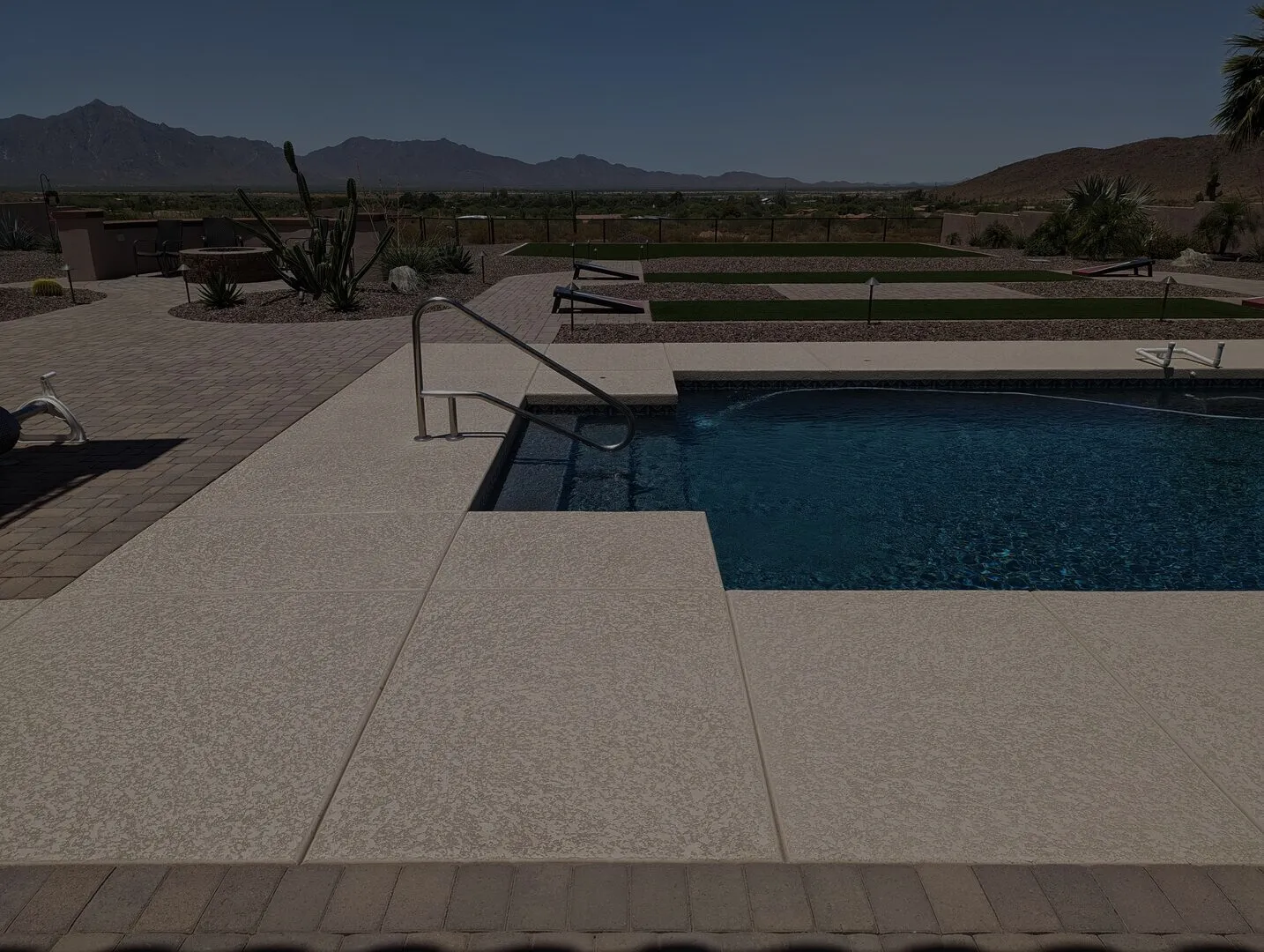




What Is Liquid Rubber Coating?
Liquid rubber coating is a high-performance, flexible, and waterproof solution designed to protect a wide range of surfaces from wear, water infiltration, and environmental damage. Unlike traditional coatings, which can crack over time due to surface movement or temperature changes, liquid rubber remains elastic and adapts to the shifting conditions of the surface it’s applied to.
The formulation of liquid rubber coatings includes polymers that create a seamless, rubberized barrier. Once applied, it cures into a durable, flexible membrane that prevents moisture penetration, reduces the risk of surface deterioration, and extends the lifespan of concrete, wood, and metal surfaces.
Liquid rubber coatings are widely used across residential, commercial, and industrial settings because of their ability to withstand heavy traffic, resist chemicals, and provide a slip-resistant finish. They are particularly favored for garage floors, pool decks, patios, and even roofing applications where waterproofing is critical.
🛠 Best Applications for Liquid Rubber Coatings
✔ Garage Floors – Provides a heavy-duty protective layer that resists oil spills, abrasions, and impact damage.
✔ Decks & Patios – Offers a slip-resistant, waterproof finish that enhances safety and longevity.
✔ Pools & Water Features – Creates a watertight seal that prevents leaks and resists harsh pool chemicals.
✔ Roofing & Foundations – Shields against extreme weather conditions and moisture infiltration, extending structural lifespan.
Types of Liquid Rubber Coatings
1️⃣ Liquid Rubber Floor Coating
✅ Creates a seamless, impermeable barrier over concrete floors.
✅ Prevents moisture penetration, mold growth, and chemical degradation.
✅ Ideal for high-traffic areas such as warehouses, basements, and commercial spaces.
Floors in industrial settings or commercial buildings are constantly exposed to heavy loads, chemicals, and foot traffic. Traditional sealants often degrade under such conditions, leading to cracks and erosion. Liquid rubber floor coatings form a durable, flexible layer that extends the life of the flooring while making it easier to maintain.
2️⃣ Liquid Rubber Garage Floor Coating
✅ Withstands oil spills, tire friction, and mechanical wear.
✅ Offers a non-slip surface to enhance safety.
✅ Provides a low-maintenance, easy-to-clean solution.
Garages are prone to oil stains, gasoline spills, and abrasions from vehicle movement. Liquid rubber garage floor coatings provide a chemical-resistant barrier that not only repels stains but also maintains a smooth, crack-free surface. Whether in residential garages or auto repair shops, this coating offers unmatched durability.
3️⃣ Liquid Rubber Polyurethane Deck Coating
✅ UV-resistant formulation prevents fading and sun damage.
✅ Suitable for wood, concrete, and composite deck surfaces.
✅ Expands and contracts with temperature variations to prevent peeling or cracking.
Wooden decks, patios, and outdoor structures suffer from prolonged sun exposure, rain, and temperature fluctuations. Liquid rubber polyurethane deck coatings offer a superior alternative to standard wood sealants, as they waterproof and protect while maintaining the deck’s aesthetic appeal.
4️⃣ Liquid Rubber Pool Coating
✅ Forms a waterproof, chlorine-resistant barrier.
✅ Prevents leaks, cracks, and structural damage.
✅ Enhances the longevity of swimming pools, fountains, and ponds.
Water features require consistent waterproofing to avoid leakage and deterioration. Unlike traditional pool sealants that need frequent reapplication, liquid rubber pool coatings provide a long-lasting solution by forming an impermeable layer that withstands constant water exposure.
5️⃣ Liquid Deck Coating & Rubberized Deck Coating
✅ Adds traction to reduce the risk of slips and falls.
✅ Seals cracks and protects against water and environmental damage.
✅ Prolongs the lifespan of wood and concrete decks, preventing rot and structural decay.
Outdoor decks are exposed to moisture and environmental elements that can lead to premature aging. Rubberized deck coatings create a textured, slip-resistant surface that enhances safety while preserving the integrity of the deck structure.
Benefits of Liquid Rubber Coatings
✔ 100% Waterproof – Eliminates leaks and protects against water damage.
✔ Highly Durable – Resists wear, impact, and chemical exposure.
✔ Flexible & Crack-Resistant – Moves with the surface to prevent peeling and cracking.
✔ Eco-Friendly – Low VOC and non-toxic options available.
✔ Easy Application – Can be rolled, brushed, or sprayed on with minimal effort.
In addition to providing superior protection, liquid rubber coatings help reduce maintenance costs by extending the lifespan of surfaces. Their elasticity makes them ideal for areas that experience temperature fluctuations, heavy foot traffic, or frequent chemical exposure.
How to Apply Liquid Rubber Coating
🔹 1️⃣ Surface Preparation
- Clean the surface thoroughly to remove dirt, grease, and debris.
- Repair any cracks, holes, or surface damage before application.
- Ensure the surface is completely dry for optimal adhesion.
🔹 2️⃣ Application Process
- Use a roller, brush, or sprayer to apply the liquid rubber evenly.
- Apply multiple layers, allowing sufficient drying time between coats.
- Ensure proper ventilation if applying indoors to aid in curing.
🔹 3️⃣ Curing & Maintenance
- Allow 24 to 48 hours for full curing before exposing the surface to heavy traffic or moisture.
- Regularly clean and inspect the coated area to ensure long-term effectiveness.
- Reapply as needed in high-traffic areas to maintain optimal protection.
Liquid Rubber Coating vs. Traditional Sealants
| Feature | Liquid Rubber Coating | Traditional Sealants |
| Waterproofing | ✅ Yes | ❌ Limited |
| Flexibility | ✅ Adapts to surface movement | ❌ Rigid & prone to cracking |
| Durability | ✅ 10-20 years | ❌ 3-5 years |
| Slip Resistance | ✅ Yes | ❌ No |
| Application | ✅ Easy & seamless | ❌ Requires multiple steps |
Unlike traditional coatings, which tend to crack and require frequent reapplications, liquid rubber coatings offer a one-and-done solution for long-term surface protection. Their waterproofing capabilities and flexibility make them an ideal choice for areas subject to moisture and movement.
Is Liquid Rubber Coating Right for You?
Liquid rubber coatings are an excellent choice for homeowners, contractors, and business owners seeking:
✔ A long-term waterproofing solution for floors, decks, and pools.
✔ A flexible, crack-resistant alternative to brittle coatings.
✔ Easy application and low maintenance for hassle-free protection.
If you’re dealing with leaks, surface wear, or the need for increased durability, liquid rubber coatings provide a superior alternative to traditional sealants.
📞 Contact a professional today to discuss liquid rubber coating options for your project.
Advanced Benefits of Liquid Rubber Coatings
Thermal Expansion Protection
Chemical & Corrosion Resistance
Energy Efficiency
Eco-Friendly Durability
Liquid Rubber Coatings by Application
Maintenance Recommendations
- Seasonal Inspections – Examine outdoor decks and pool areas for UV wear or minor cracking.
- Mild Cleaning Agents – Use pH-neutral soap solutions to maintain surface flexibility.
- Topcoat Refresh – Reapply a thin protective layer every 5–7 years in high-traffic areas.
- Prompt Damage Repair – Patch minor punctures or scratches immediately to prevent water infiltration.
Professional vs DIY Guidance
- Large-scale or commercial projects where coverage uniformity and adhesion are critical.
- Surfaces with structural irregularities, cracks, or prior coatings that require prep work.
- Pool decks or roofs where waterproofing is essential to prevent leaks.
- Small patios or walkways where minor imperfections are acceptable.
- Quick, low-budget residential garage projects with straightforward surfaces.
Specialty Applications
- Ramps and Loading Docks – Liquid rubber coatings provide durability and slip resistance under heavy vehicle use.
- Walkways & Trails – Outdoor pedestrian paths benefit from waterproofing, UV resistance, and anti-slip surfaces.
- Boat Docks & Marina Decks – Flexible coatings prevent water damage while providing safe footing.
- Planters and Water Features – Seamless coating prevents leaks and soil erosion.
FAQs
How long will liquid rubber last?
Liquid rubber coatings typically last between 10 to 20 years, depending on factors such as climate, usage, and maintenance.
How many square feet does 5 gallons of liquid rubber cover?
Coverage depends on surface type and application thickness, but on average, 5 gallons can cover between 100 to 150 square feet with multiple coats.
Does liquid rubber really work?
Absolutely! Liquid rubber coatings are engineered to create a seamless, waterproof, and flexible barrier that prevents leaks, resists wear, and enhances longevity.
What does liquid rubber not stick to?
Liquid rubber does not adhere well to silicone, polyethylene, Teflon, or oily/greasy surfaces. Proper surface preparation is crucial for maximum adhesion.
What are the disadvantages of liquid silicone rubber?
While durable and flexible, liquid silicone rubber can be more expensive than traditional coatings and may require specialized application for best results.
Liquid rubber coatings are a smart investment for those looking to protect surfaces from water damage, chemical exposure, and environmental wear. Whether applied to garage floors, decks, or pools, this high-performance coating delivers long-term durability, flexibility, and peace of mind.