


In the demanding world of commercial environments, choosing the right flooring is crucial. It must withstand heavy foot traffic, equipment, spills, and constant use while maintaining a professional and clean appearance. Commercial epoxy flooring emerges as a top choice for industries ranging from warehouses and retail spaces to hospitals and showrooms. With unmatched durability, cost-effectiveness, and aesthetic versatility, epoxy flooring offers the ideal solution for enhancing both functionality and style in commercial settings.
What is Commercial Epoxy Flooring?
Commercial epoxy flooring is a robust flooring system made from a combination of epoxy resin and hardeners. When applied to a concrete substrate, this mixture cures to form a hard, plastic-like surface that bonds tightly with the concrete. The result is a seamless, durable, and highly resistant floor that can handle the rigors of commercial environments.
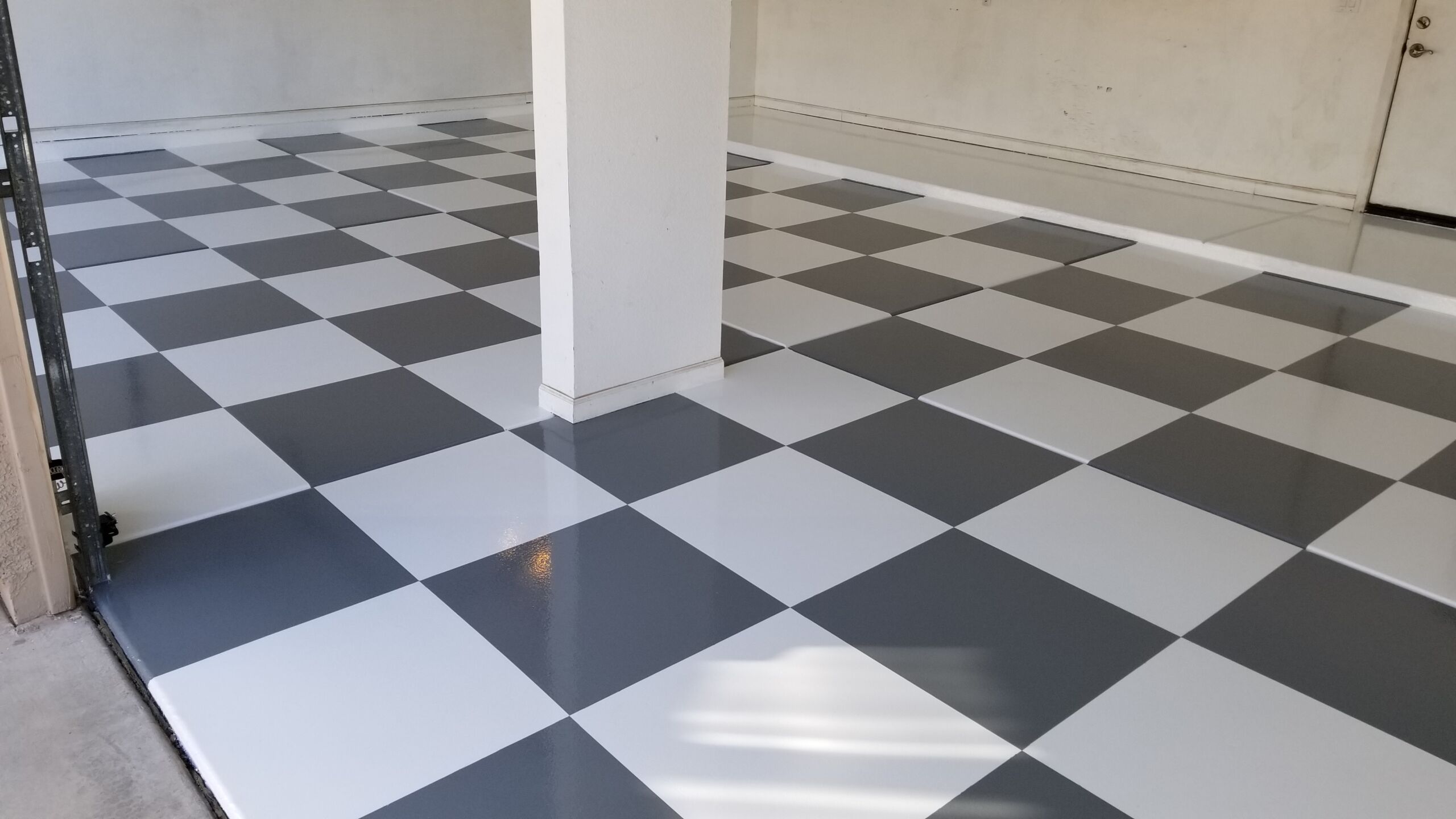
Epoxy floors can be customized with colors, patterns, textures, and even company logos, making them not only functional but also visually appealing.
Benefits of Commercial Epoxy Flooring
1. Exceptional Durability
Epoxy floors are known for their remarkable strength and ability to withstand high traffic, heavy machinery, and continuous use. This makes them perfect for industries where durability is paramount, such as warehouses, factories, and automotive showrooms.
2. Chemical and Stain Resistance
In environments where spills are frequent, such as garages, laboratories, and healthcare facilities, epoxy flooring provides a non-porous surface that resists chemicals, oils, solvents, and stains. This feature makes cleanup effortless and prevents long-term damage.
3. Low Maintenance
Epoxy floors are incredibly easy to maintain. Their seamless surface prevents dirt and grime from getting trapped, making routine sweeping and occasional mopping sufficient for upkeep. This reduces cleaning costs and ensures the space remains presentable.
4. Enhanced Safety
Safety is crucial in commercial spaces. Epoxy floors can be customized with non-slip additives to reduce the risk of slips and falls. The glossy finish also improves light reflectivity, enhancing visibility and overall safety.
5. Aesthetic Versatility
Epoxy flooring offers a wide range of design options. Whether you prefer solid colors, decorative flakes, metallic finishes, or custom patterns, epoxy can be tailored to match your branding and aesthetic preferences.
6. Cost-Effective Solution
Though the initial investment may seem significant, epoxy flooring offers excellent long-term value due to its durability, low maintenance, and longevity. This reduces the need for frequent repairs and replacements, saving money over time.
7. Quick Installation
For businesses that cannot afford lengthy downtimes, epoxy flooring is an efficient choice. Many epoxy systems can be installed and cured within a few days, allowing operations to resume quickly.
Applications of Commercial Epoxy Flooring
1. Warehouses and Distribution Centers
In spaces where forklifts, heavy pallets, and constant foot traffic are the norm, epoxy flooring provides the durability and impact resistance necessary for smooth operations.
2. Retail Spaces and Showrooms
Epoxy’s customizable finishes allow for stylish and professional-looking floors that can enhance a brand’s image. The seamless, glossy surface is easy to clean and maintain, ensuring a polished appearance for customers.
3. Healthcare Facilities
Hospitals, clinics, and laboratories benefit from epoxy’s seamless, non-porous surface, which resists bacteria growth and is easy to sanitize. Its chemical resistance also ensures durability against frequent cleaning and disinfecting.
4. Automotive Shops and Garages
Epoxy flooring withstands oil spills, tire marks, and heavy machinery. Its chemical resistance and ease of cleaning make it ideal for automotive environments where spills are common.
5. Commercial Kitchens
In high-traffic kitchens, epoxy’s slip-resistant finish, durability, and resistance to heat and spills ensure safety and efficiency. The seamless surface prevents dirt and grime buildup, facilitating easy cleaning.
6. Schools and Educational Institutions
Epoxy flooring offers a durable and low-maintenance solution for classrooms, hallways, and gymnasiums. Custom colors and patterns can also enhance the learning environment and school branding.
Costs of Commercial Epoxy Flooring
Factors Affecting Cost
- Surface Preparation: Extensive cleaning, repairs, and leveling increase costs.
- Epoxy Type:
- Water-Based Epoxy: $3 to $5 per square foot (affordable but less durable).
- 100% Solids Epoxy: $6 to $12 per square foot (durable and long-lasting).
- Thickness: Thicker coatings offer more durability but come at a higher price.
- Customization: Adding colors, flakes, patterns, or logos increases costs.
- Topcoat Finishes: Additional protective topcoats for gloss, matte, or anti-slip finishes may raise the overall cost.
Average Costs
- Basic Epoxy Coating: $3 to $5 per square foot
- Mid-Range Epoxy System: $6 to $9 per square foot
- High-End Epoxy Flooring: $10 to $15 per square foot for customized designs and specialized finishes
For a 5,000-square-foot warehouse, expect to pay between $15,000 and $75,000, depending on the complexity and customization of the project.
Types of Commercial Epoxy Flooring and Cost Comparison
Tip: For industrial areas with heavy machinery, 100% solid or mortar epoxy provides maximum protection, while decorative metallic or flake epoxies enhance aesthetics in showrooms or lobbies.
Key Advantages of Commercial Epoxy Flooring
- Longevity in High-Traffic Areas
- Epoxy floors withstand forklifts, pallet jacks, foot traffic, and dropped tools without cracking or chipping. This durability translates to fewer repairs and long-term cost savings.
- Chemical & Spill Resistance
- In industrial and healthcare settings, epoxy protects against harsh chemicals, oils, cleaning agents, and spills, keeping floors intact and safe.
- Custom Branding and Design
- Companies can incorporate logos, color-coded zones, and floor markings to improve organization, safety, and brand identity. Decorative finishes like metallic epoxy also boost aesthetics.
- Slip and Impact Safety
- Anti-slip aggregates reduce accidents, while epoxy’s resilience protects against impact from dropped tools or equipment.
- Quick Turnaround
- Commercial epoxy floors can often be installed in stages or sections, minimizing downtime in operational spaces.
- Cost Efficiency Over Time
- Though installation costs may be higher than vinyl or polished concrete, epoxy reduces replacement frequency, maintenance costs, and downtime for repairs.
Installation Tips for Commercial Epoxy Flooring
- Surface Preparation: Remove old coatings, repair cracks, and thoroughly clean the concrete.
- Moisture Testing: Ensure the concrete slab has low moisture to prevent adhesion issues.
- Priming: Apply a primer coat to improve epoxy bonding.
- Layering Epoxy: Apply multiple coats for durability; include decorative flakes, metallic pigments, or anti-slip additives if needed.
- Topcoat/Sealant: Adds UV protection, gloss, or anti-slip properties.
- Curing: Allow 24–72 hours for light use; full cure can take 5–7 days for heavy traffic areas.
Proper installation ensures long-lasting performance and prevents peeling or bubbling.
Maintenance Recommendations
- Sweep daily to prevent debris buildup.
- Mop periodically with pH-neutral cleaners to maintain shine.
- Avoid harsh chemicals or abrasive cleaning tools.
- Inspect for minor cracks and repair promptly.
- Reapply topcoat every 3–5 years in high-traffic areas.
Common Commercial Epoxy Flooring Applications
- Warehouses & Distribution Centers: Impact-resistant, chemical-resistant, and able to handle forklifts and heavy pallets.
- Retail Stores & Showrooms: Sleek, glossy floors enhance customer perception and brand presentation.
- Healthcare Facilities: Non-porous, easy-to-sanitize surfaces improve hygiene.
- Automotive Garages & Workshops: Resistant to oils, tire marks, and heavy machinery.
- Commercial Kitchens: Slip-resistant, durable, and easy to clean, meeting sanitation standards.
- Schools & Universities: Color-coded floors, durable surfaces for classrooms, hallways, and gymnasiums.
Comparing Commercial Flooring Options
Epoxy is the top choice for durability, chemical resistance, and low-maintenance requirements in commercial settings.
Frequently Asked Questions
Is Epoxy Flooring Good for Commercial Use?
Yes, epoxy flooring is ideal for commercial spaces due to its durability, chemical resistance, and low maintenance. It handles high traffic and harsh conditions effectively.
What is Commercial Grade Epoxy?
Commercial grade epoxy is a high-performance formulation designed for industrial and commercial environments. It offers superior durability, chemical resistance, and longevity compared to standard epoxy.
How Long Do Commercial Epoxy Floors Last?
With proper installation and maintenance, commercial epoxy floors can last between 10 and 20 years or longer, depending on traffic and usage.
What is the Disadvantage of Epoxy Flooring?
Epoxy flooring can be slippery when wet unless treated with anti-slip additives. It also requires thorough surface preparation and has a longer curing time compared to other flooring options.
What Epoxy Do Professionals Use?
Professionals typically use 100% solids epoxy for its durability and longevity. This type of epoxy provides a thicker, more resilient coating.
Are There Different Types of Epoxy Flooring?
Yes, common types include self-leveling epoxy, mortar epoxy, graveled epoxy, and quartz-filled epoxy, each suited for different applications and performance needs.
Commercial Epoxy Flooring vs. Other Commercial Flooring Options
1. Epoxy vs. Polished Concrete
- Epoxy: Offers better chemical resistance, customization, and a seamless finish.
- Polished Concrete: More affordable and durable but lacks customization and chemical resistance.
2. Epoxy vs. Vinyl Flooring
- Epoxy: More durable and resistant to chemicals and heavy loads.
- Vinyl: Easier and cheaper to install but prone to wear and tear in high-traffic areas.
3. Epoxy vs. Tile Flooring
- Epoxy: Seamless and easy to clean; resists moisture and chemicals.
- Tile: Durable but prone to grout lines collecting dirt and requiring maintenance.
Which is Better?
- Choose Epoxy for durability, customization, and low maintenance.
- Choose Other Options for lower upfront costs or specific design preferences.
Commercial epoxy flooring stands out as a superior choice for businesses seeking durable, attractive, and low-maintenance flooring solutions. With a wide range of benefits, including chemical resistance, design versatility, and cost-effectiveness, epoxy floors are suitable for numerous applications—from warehouses and showrooms to healthcare facilities and commercial kitchens. By understanding the costs, benefits, and comparisons with other flooring options, you can make an informed decision to enhance the functionality and appearance of your commercial space.