


Value of Your Property
Investing in floor coating can significantly enhance the value of your property, whether residential or commercial. Here are several ways floor coating contributes to increasing property value:
Enhanced Aesthetic Appeal
Visual Impact
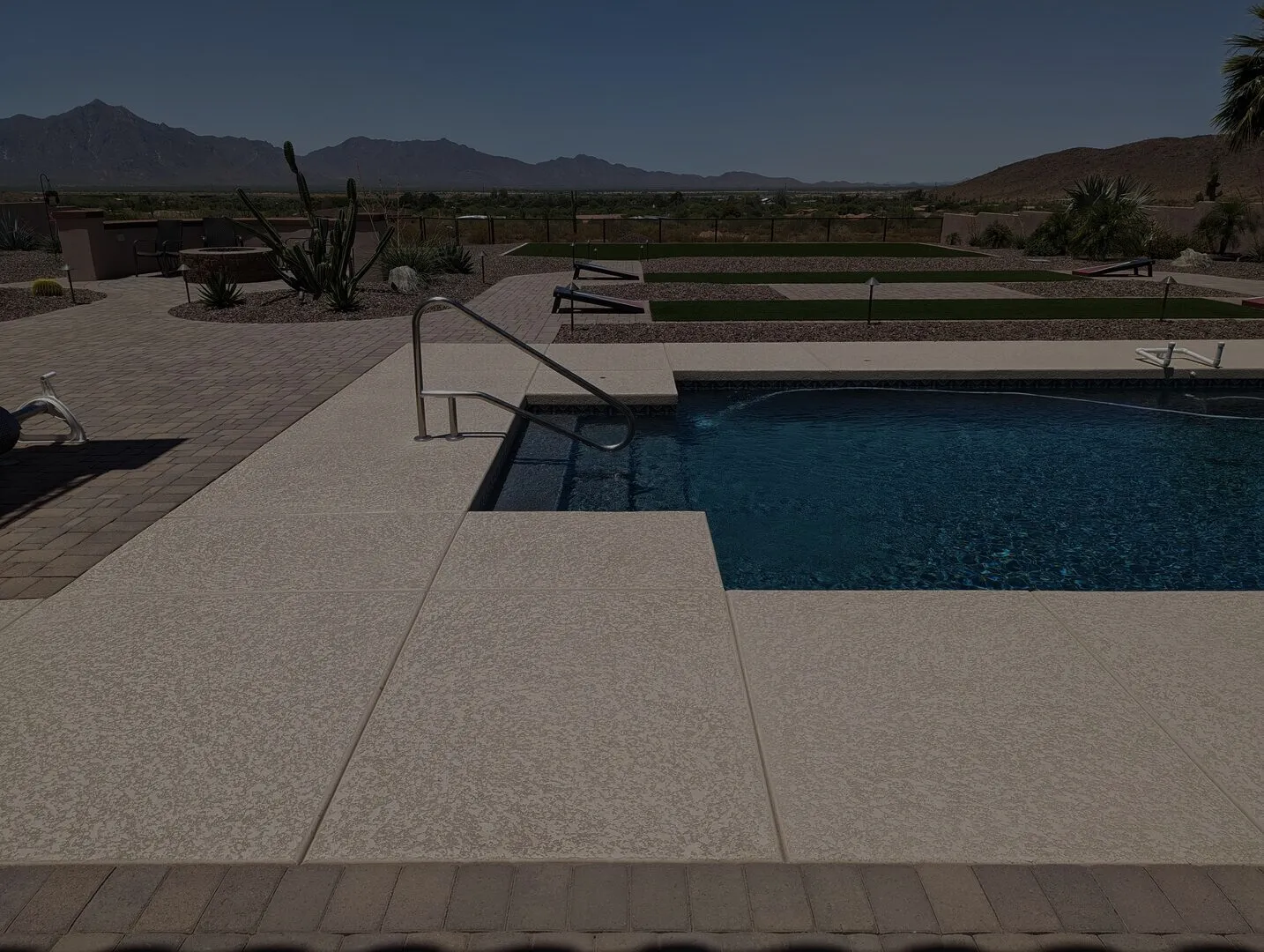
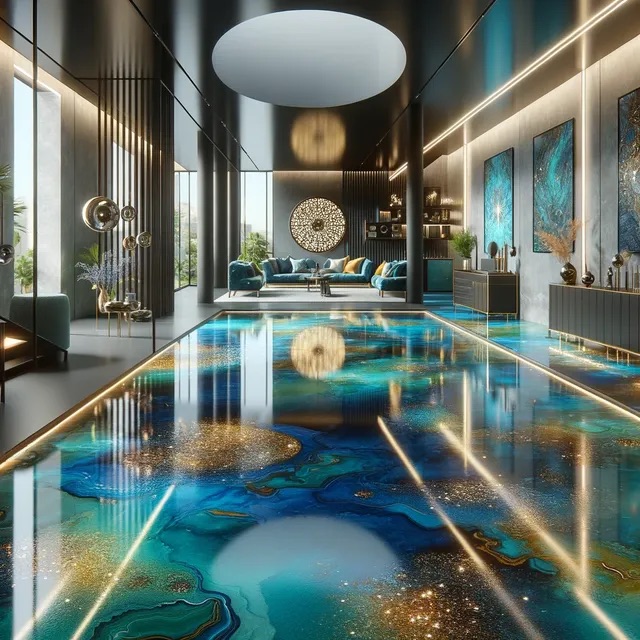
Floor coatings provide a sleek, clean, and professional appearance that enhances the overall look of your property. Whether you choose a decorative epoxy finish or a high-gloss polyurethane coating, a well-maintained and attractive floor can leave a lasting impression on potential buyers or tenants. The visual transformation of a space through high-quality floor coatings can elevate the entire ambiance, making it more appealing and inviting. This improved aesthetic appeal can be a decisive factor for prospective buyers who are often influenced by the first impression a property makes.
Moreover, customized designs and a variety of color options allow for personal or brand expression, adding unique character to the property. This versatility in design ensures that the floor complements the overall interior decor, further enhancing the property’s marketability.
Improved Durability and Longevity
Protective Barrier
Floor coatings create a durable barrier that protects underlying surfaces from wear and tear, stains, chemicals, and moisture. This extended lifespan with minimal maintenance requirements appeals to buyers looking for properties with long-term value and reduced upkeep costs. The protective nature of floor coatings means that the floors will maintain their appearance and functionality for years, even under heavy usage.
The ability of these coatings to withstand harsh conditions and frequent use without degrading ensures that the property remains in excellent condition, thus maintaining its value. For example, epoxy and polyurethane coatings are known for their resistance to impacts, abrasions, and chemical spills, making them ideal for both residential and commercial applications.
Increased Property Functionality
Versatile Applications
Depending on the type of floor coating chosen—such as epoxy, polyurethane, or specialized industrial coatings—the versatility can enhance the functionality of different spaces. For example, epoxy coatings are ideal for garage floors due to their resistance to oil stains and durability under heavy use. This adaptability makes floor coatings suitable for various environments, including kitchens, basements, warehouses, and showrooms.
The enhanced functionality provided by these coatings means that spaces can be used more effectively and for a wider range of purposes. In commercial settings, this can translate to more efficient operations and better utilization of space, which are attractive features for potential buyers or investors.
Cost-Effectiveness Over Time
Long-Term Savings
While the initial investment in floor coating may seem significant, the long-term benefits outweigh the costs. Reduced maintenance needs and fewer repairs contribute to overall savings, making the property more attractive to potential buyers who value efficiency and cost-effectiveness. High-quality floor coatings minimize the need for frequent replacements or extensive repairs, thus saving money over the property’s lifespan.
These savings are not just limited to monetary aspects; they also encompass time and effort. Property owners can enjoy the convenience of low-maintenance flooring that continues to look great and perform well without constant attention. This cost-effectiveness enhances the property’s appeal, especially in a competitive real estate market.
Resistance to Environmental Factors
Protection Against Elements
Floor coatings provide protection against environmental factors such as UV rays, humidity, and temperature fluctuations. This resilience ensures that the floors retain their appearance and functionality over time, even in challenging conditions. For outdoor spaces or areas exposed to significant environmental stress, this protection is crucial in maintaining the property’s integrity.
The ability to resist UV damage means that the floors will not fade or deteriorate quickly, preserving their aesthetic appeal and structural integrity. Similarly, resistance to moisture and temperature changes prevents warping, cracking, or other damage that could compromise the floor’s performance and appearance.
How Floor Coating Can Boost Property Value and Appeal
Comparison of Popular Floor Coatings
Insight: While costs vary, coatings like epoxy and polyurea/polyaspartic provide the best balance of durability, aesthetics, and ROI.
Additional Ways Floor Coatings Increase Property Value
Enhanced Safety and Compliance
Customization and Branding
Sustainability and Green Building Appeal
Long-Term Protection Against Wear
Frequently Asked Questions (FAQs)
Does the type of floor coating affect the increase in property value?
Yes, the type of floor coating can impact property value. High-quality, durable coatings like epoxy or polyurethane are typically more attractive to buyers due to their longevity and aesthetic appeal. These coatings provide a higher return on investment by offering superior performance and low maintenance requirements, which are key selling points for any property.
Are there specific areas of the property where floor coating adds the most value?
Floor coating can add significant value to high-traffic areas such as garages, kitchens, and commercial spaces where durability and cleanliness are essential. In these areas, the benefits of floor coatings, such as resistance to stains, easy maintenance, and enhanced appearance, are particularly noticeable and appreciated by buyers.
How long does floor coating typically last before needing recoating?
The lifespan of floor coatings varies depending on factors such as type, application, and maintenance. Epoxy coatings, for example, can last 5-10 years or more with proper care. Regular cleaning and avoiding harsh chemicals can extend the life of the coating, ensuring that it continues to protect and beautify the floor for many years.
Can floor coating improve indoor air quality and sustainability?
Yes, some floor coatings are available in low-VOC formulations, contributing to improved indoor air quality and supporting sustainable building practices. These eco-friendly options reduce the release of harmful chemicals into the environment, making them a healthier choice for both occupants and the planet. Sustainable floor coatings can also contribute to green building certifications, enhancing the property’s marketability.
Is it worth investing in floor coating for rental properties?
Yes, floor coating can increase the attractiveness of rental properties by offering tenants durable and visually appealing floors, potentially leading to higher rental income and tenant satisfaction. Well-coated floors are easier to clean and maintain, reducing the turnover time between tenants and minimizing repair costs. This investment can pay off in terms of higher rental rates and longer lease agreements, as tenants appreciate the quality and aesthetics of the living space.
What is the best floor coating?
The “best” coating depends on your needs — but for many concrete floors, coatings based on polyurethane/polyaspartic (or hybrid poly coatings) are often considered top-tier because they offer durability, flexibility, chemical & UV resistance, and long lifespan.
What is a floor coating?
A floor coating is a protective layer — often resin-based (epoxy, polyurethane, polyaspartic, etc.) — applied over concrete or other base floors to improve durability, resistance to chemicals or wear, and to give a finished, often decorative, appearance.
How long does epoxy floor coating last?
When properly applied and maintained, a 100% solids epoxy floor can last about 10–20 years in residential or moderate-use settings. In high-traffic or industrial settings, you might expect re-coating or repair every 5–10 years.
What are the disadvantages of epoxy floors?
Epoxy can be slippery when wet, which may be a safety concern without a slip-resistant additive.
It has limited UV and weather resistance — so in areas with sunlight or outdoors, epoxy may yellow, fade, or degrade over time.
Epoxy is rigid, so if the concrete substrate shifts, cracks, or moves, the epoxy can crack or delaminate.
Installation and curing can take time, and proper surface preparation (cleaning, dryness) is critical — poor prep can lead to failure.
How long does polyurethane floor coating last?
A properly applied polyurethane (or polyaspartic / poly-floor) coating typically lasts 10–15 years or more, even under moderate to heavy use. Because of its flexibility, chemical and UV resistance, and abrasion resistance, it’s often more durable than epoxy, especially in sunny or heavy-traffic environments.