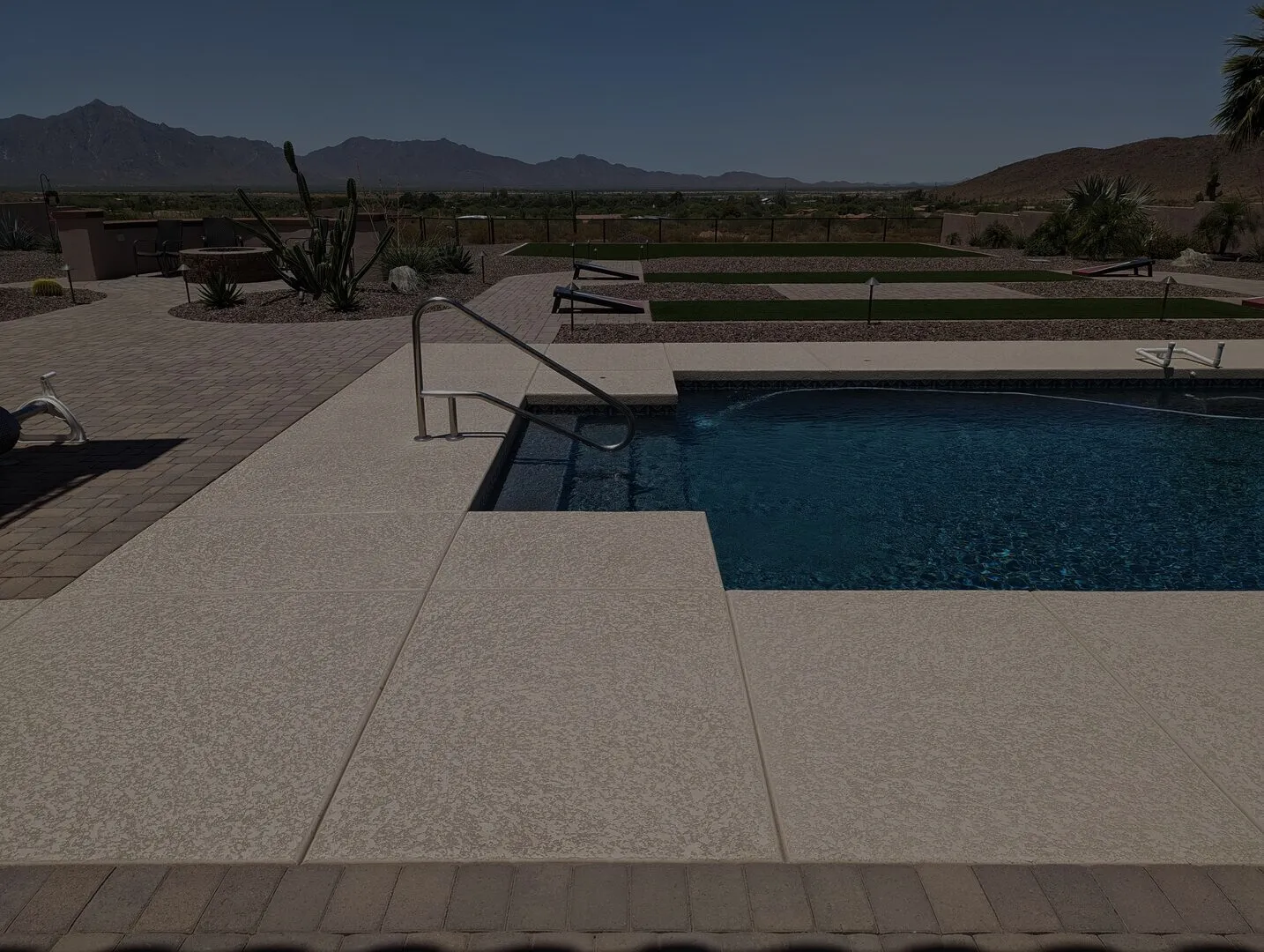




Epoxy Flooring Projects In Arizona

Introduction
Concrete mix ratios are fundamental in construction, dictating the concrete’s strength, workability, and durability. This comprehensive guide delves into various mix ratios, with a special focus on achieving the optimal mix for a 4000 psi concrete strength, a common requirement for many construction projects.
Basics of Concrete Mix Ratios
Concrete is a composite material made from cement, sand, stone, and water. The ratio of these components affects the concrete’s final properties. For instance, more cement in the mix can increase strength, while more sand can improve workability. Understanding these ratios is crucial for builders, engineers, and DIY enthusiasts alike.
3000 PSI Concrete Mix Ratio
This mix is a standard for residential and light commercial projects. The 1:3:3 ratio (cement:sand:stone) strikes a balance between strength and ease of use. For a cubic yard of 3000 PSI concrete, the typical composition includes:
517 lbs of cement
1560 lbs of sand
1600 lbs of stone
32-34 gallons of water
This mix is ideal for sidewalks, residential flooring, and other areas that don’t bear heavy loads.
4000 PSI Concrete Mix Ratio
For more demanding projects, such as commercial driveways or industrial flooring, a 4000 PSI mix offers enhanced durability. The adjusted ratio, which includes more cement, ensures the concrete can withstand heavier loads and more extreme conditions. The components for a cubic yard of this mix are:
611 lbs of cement
1450 lbs of sand
33-35 gallons of water
This robust mix is perfect for areas with high foot traffic or heavy machinery.
Mixing Small Batches
Small-scale projects require the same attention to detail in mixing ratios. Using buckets for measurement, maintain the ratio to ensure consistency. This method is ideal for home repairs, small sidewalks, or garden projects.
The 1:2:3 Ratio Mix
This mix is versatile and user-friendly, suitable for a variety of general building projects. It’s particularly popular among DIY enthusiasts for its ease of mixing and application. Whether you’re building a garden path, a small shed foundation, or a decorative wall, this mix ratio can be your go-to choice.
Water-to-Cement Ratio
The water-to-cement ratio is a critical factor in determining the concrete’s strength and workability. Too much water can weaken the concrete, while too little can make it difficult to work with. The ideal ratio varies depending on the specific requirements of the project and environmental factors like temperature and humidity.
Advanced Mixes and Considerations
For industrial applications or structures requiring high durability, such as bridges or high-rise buildings, advanced mix ratios are used. These mixes often require a detailed understanding of material properties and precise measurement techniques.
Environmental Considerations
The environmental impact of concrete production is an important consideration. Using the correct mix ratio not only ensures the strength and durability of the structure but also contributes to sustainable construction practices by reducing waste and optimizing resource use.
Innovations in Concrete Mix Design
Recent advancements in concrete technology have led to the development of specialized mixes. These include high-performance concrete, lightweight concrete, and even self-healing concrete, each designed for specific applications and offering unique benefits.
FAQs
What is the best mix ratio for high-strength concrete?
For high-strength concrete, such as 4000 or 4500 PSI, increase the cement content in the mix while slightly reducing the sand proportion.
How does the water-to-cement ratio affect concrete strength?
A lower water-to-cement ratio results in higher strength but less workable concrete. Conversely, more water decreases strength but improves workability.
Can I mix concrete in small batches for DIY projects?
Yes, you can mix concrete in small batches using the same proportions, substituting buckets for cubic feet measurements.
What are the typical uses of a 4000 PSI concrete mix?
A 4000 PSI mix is often used for structures requiring higher strength and durability, like commercial driveways, pool decks, and garages.
How do I ensure consistency in my concrete mix?
Consistency is key in concrete mixing. Always use precise measurements and maintain the same proportions throughout the mixing process.
What type of epoxy is best for garages?
Is epoxy garage floor a good idea?
What are the most popular epoxy floor colors?
How long will epoxy last on a garage floor?
How much does it cost to epoxy a 20×20 garage floor?
Conclusion
Understanding and applying the correct concrete mix ratios is essential for creating durable and strong concrete for various construction needs. Whether you’re working on a small DIY project or a large commercial construction, the right mix ratio will ensure the success and longevity of your concrete structures.
Popular Garage Epoxy Flooring Projects in Arizona
1. Residential Garage Flooring
- Oil and chemical spills
- Tire marks and scuffs
- High foot and vehicle traffic
2. Workshop and Hobby Garage Floors
- Easy cleanup of paint, solvents, and grease
- High durability for heavy tools and equipment
- Optional slip-resistant surfaces for safety
3. Commercial Garage Spaces
- High chemical resistance
- Superior impact protection
- Custom color-coded zones for safety and workflow efficiency
4. Decorative and Showroom Garages
- Luxury home garages
- Automotive showrooms
- Display and event spaces
5. Outdoor Garage and Carport Floors
- Sun damage and fading
- Staining from rainwater and debris
- Wear from tire traffic
Benefits of Garage Epoxy Flooring in Arizona
- Extreme Durability: Handles hot Arizona summers, vehicle heat, and heavy traffic without cracking.
- Low Maintenance: Seamless surface makes sweeping and mopping easy.
- Aesthetic Upgrade: Elevates the appearance of even plain concrete floors.
- Chemical & Stain Resistance: Essential for garages exposed to oil, automotive fluids, or cleaning agents.
- Safety: Slip-resistant options prevent accidents in humid or wet areas.
Cost Considerations for Garage Epoxy Projects
Arizona’s climate can affect epoxy curing times and UV resistance, so it’s important to choose coatings formulated for hot, sunny conditions.
Popular Design Trends for Arizona Garages
- Metallic Epoxy Finishes: Provide a reflective, high-end look ideal for luxury garages.
- Flake Epoxy Systems: Blend multiple colors to hide dust, scratches, and minor imperfections.
- Color-Coded Zones: Enhance safety in multi-car garages or workshops.
- Quartz-Filled Epoxy: Adds slip resistance and texture for high-traffic areas.
- Custom Logos or Patterns: Perfect for home showrooms or business branding.
Maintenance Tips for Garage Epoxy Floors
- Sweep regularly to remove dirt and grit.
- Mop occasionally with pH-neutral cleaners.
- Avoid harsh chemicals that could damage the topcoat.
- Inspect and touch up chips or scratches promptly.
- Apply a UV-resistant topcoat for outdoor garages to prevent yellowing.