


Maintaining Epoxy Floors in the Garage
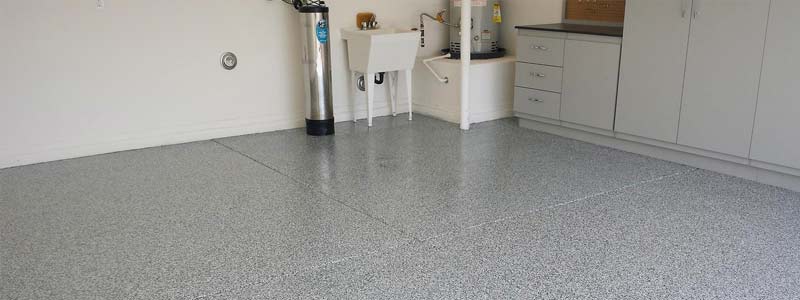
Epoxy garage floors have become a hallmark of modern homes. They’re strong enough to resist oil spills, stylish enough to impress guests, and durable enough to last for decades when properly cared for. Yet even the toughest surfaces need attention. Dust, grit, and chemicals can slowly degrade epoxy coatings if maintenance is ignored.
Fortunately, epoxy care doesn’t require an arsenal of complicated tools or harsh cleaning solutions. With a consistent routine and some smart preventive measures, you can keep your epoxy floors shining like new. This guide shares five expert tips, expanded seasonal strategies, and advice on when to call in professionals—ensuring your garage remains both functional and beautiful.
1. Dust Mops and Soft Brooms Are Essential
Epoxy’s seamless surface naturally resists dirt, but it also highlights dust and debris more than unfinished concrete. Regular sweeping is crucial.
- Weekly Sweeping: A soft-bristle broom removes dirt, grit, and debris. Avoid stiff brooms that may scratch the surface.
- Microfiber Mopping: A microfiber dust mop collects fine particles such as pollen or pet hair. This prevents buildup that dulls the shine.
- Quick Rinses: For light cleaning, use a hose and guide water out with a rubber squeegee. This method is especially useful after storms when sand or mud is tracked inside.
👉 Pro Tip: Every three months, schedule a deep clean. Empty the garage, vacuum corners, and mop the surface with a mild dish soap and warm water solution. This routine restores gloss and prevents stubborn grime from embedding.
2. Handle Spills and Stains Quickly
Epoxy is resistant, not invincible. While it can handle everything from oil drips to antifreeze, letting these substances linger can cause staining.
- Immediate Clean-Up: Blot spills with paper towels or absorbent rags right away.
- Light Stains: Spray with household glass cleaner like Windex and scrub gently with a soft-bristle brush.
- Persistent Marks: For heavier discoloration, repeat with mild soap and water.
- What to Avoid: Skip abrasive pads or harsh scouring powders. These can scratch the topcoat and permanently dull the shine.
By tackling stains immediately, you protect both the floor’s aesthetics and its structural integrity.
3. Removing Rust and Calcium Build-Up
Garages often harbor tools, lawn equipment, and water heaters—all potential sources of rust stains or calcium buildup.
- Ammonia Mix: Combine equal parts ammonia and water to scrub rust-stained areas.
- Specialty Cleaners: Products like CLR excel at removing calcium, lime, and rust deposits.
- Rinse Thoroughly: Always rinse with clean water after applying cleaners to prevent residue streaks.
These techniques restore your floor’s polished look without damaging the epoxy layer underneath.
4. Use Floor Mats in High-Traffic Areas
Prevention is one of the best forms of maintenance. Floor mats act as shields for epoxy, preserving its finish in the areas most exposed to wear.
- Entryways: Mats catch dirt, moisture, and road salts before they spread.
- Workstations: Rubber mats protect against falling tools, spills, and chemical drips.
- Under Vehicles: Drip mats catch oil leaks, while pads under motorcycle kickstands prevent dents.
This small investment significantly extends the lifespan of your epoxy floor.
5. Avoid Acidic Cleaners
Not all cleaners are epoxy-friendly. Some products erode protective layers, shortening the coating’s life.
- Avoid: Vinegar, citrus-based products, or bleach. These are too acidic or corrosive.
- Safe Options: Mild dish soaps, ammonia-water solutions, and pH-neutral cleaners.
- Rinsing: Always rinse thoroughly with clean water to prevent film buildup.
By using the right products, you ensure your epoxy floor remains glossy, strong, and safe underfoot.
Comparison Table: Epoxy Floor Cleaning Methods
| Option | Type | Average Cost | Description / Features |
| Soft Broom / Dust Mop | Basic Maintenance | Low | Best for weekly dust and debris removal. |
| Hose & Squeegee | Quick Rinse | Low | Effective for removing dirt, dust, and water. |
| Mild Soap + Water | Deep Cleaning | Low | Safe and effective for quarterly cleans. |
| Household Cleaners (Windex) | Spot Treatment | Low | Great for oil stains and light discoloration. |
| Specialty Cleaners (CLR) | Stubborn Stain Removal | Moderate | Targets rust, calcium, and mineral deposits. |
Benefits of Maintaining Epoxy Garage Floors
- Longevity: Well-maintained epoxy floors last 15–20 years or more.
- Safety: Clean, debris-free floors minimize slip risks.
- Appearance: Maintains a glossy, professional look that enhances any garage.
- Resale Value: Homes with well-kept epoxy floors often attract buyers.
- Cost Savings: Prevents the need for premature recoating or full replacement.
A small, regular effort saves thousands in the long run.
Seasonal Maintenance Tips
Epoxy floors face different challenges depending on the time of year. Adjusting your routine helps prevent seasonal damage.
- Spring: Wash away winter road salts and grime. Inspect for chips or cracks left by freezing temperatures.
- Summer: Dust buildup increases in hot, dry weather. Sweep more frequently and use mats to trap grit.
- Fall: Clear leaves and organic matter quickly—decomposing leaves can stain epoxy.
- Winter: Place mats near entry points to catch snow, mud, and salt. Keep a squeegee handy to push away melted slush.
Tailoring your care routine to the seasons ensures epoxy remains resilient year-round.
Essential Tools and Supplies
Maintaining epoxy doesn’t require specialized equipment, but having the right basics makes the job easier:
- Soft-Bristle Broom for weekly sweeping.
- Microfiber Mop for fine particles.
- Rubber Squeegee for quick rinses.
- Mild Dish Soap for deep cleans.
- Ammonia Solution for rust or calcium spots.
- Household Cleaner (Windex) for everyday stains.
- Specialty Cleaner (CLR) for tougher deposits.
- Protective Mats for high-use zones.
With these items on hand, maintaining your epoxy floor becomes second nature.
Common Mistakes to Avoid
Even well-meaning homeowners sometimes shorten the life of their epoxy floors by making simple mistakes:
- Using Acidic Cleaners: These erode protective layers.
- Letting Dust Accumulate: Grit scratches the glossy surface if not swept regularly.
- Dragging Heavy Objects: Always lift or use sliders—dragging can gouge the epoxy.
- Skipping Resealing: A fresh topcoat every 5–7 years restores shine and protection.
- Ignoring Minor Damage: Small chips can spread if left untreated.
Avoiding these pitfalls keeps your epoxy garage floors in excellent condition for decades.
Professional vs. DIY Maintenance
DIY cleaning is simple, but some jobs call for professionals.
- DIY Is Best For: Weekly sweeping, quarterly deep cleaning, and spot stain removal.
- Hire a Professional For:
- Recoating or resealing every few years.
- Repairing chips, peeling, or bubbles.
- Applying protective topcoats for high-use garages.
Professionals use commercial-grade products and techniques that ensure longevity—worth considering for homeowners who want minimal hassle.
When to Recoat Your Epoxy Garage Floor
Even with diligent care, epoxy eventually wears down. Signs it’s time to recoat include:
- Noticeable dulling of the finish.
- Persistent stains that no longer come clean.
- Chips, scratches, or peeling top layers.
- Reduced slip resistance in high-traffic areas.
Recoating every 5–10 years depending on use refreshes the look and protection, giving your garage floor a brand-new life.
Frequently Asked Questions (FAQs)
How do you maintain an epoxy garage floor?
Sweep weekly, mop quarterly, wipe spills immediately, and avoid harsh chemicals. Use mats in high-use areas.
What cleaner to use on epoxy garage floor?
Mild soap, ammonia-water mixes, or Windex for spots. Specialty cleaners like CLR work for rust and mineral buildup.
How clean does a garage floor need to be for epoxy?
For installation, it must be completely free of dust, grease, and oil. For ongoing care, weekly sweeping is usually sufficient.
How often should you clean epoxy floors?
Weekly sweeping, spot cleaning as needed, and deep cleaning every 3–4 months are recommended.
Will water ruin an epoxy floor?
No—epoxy is waterproof. Standing water should still be removed promptly to prevent slips and residue buildup.
Epoxy garage floors are one of the most durable, attractive, and low-maintenance flooring options available. But durability doesn’t mean neglect. With weekly sweeping, quarterly deep cleaning, prompt spill management, and the use of safe cleaning products, you’ll enjoy a garage floor that remains glossy and functional for decades.
Adding seasonal routines, stocking the right tools, and knowing when to recoat ensures your investment is protected. By avoiding common mistakes and incorporating mats or protective pads, you maximize both the safety and longevity of your epoxy coating.
Think of epoxy floor maintenance not as a chore but as a form of insurance. A few minutes each week prevent costly repairs, extend the life of your floor, and keep your garage looking like a professional showroom.